
GASA & Feedzai's 2024 State of Scams in the Netherlands Report - Shopping Scams Most Common; Romance Scams Rise Sharply

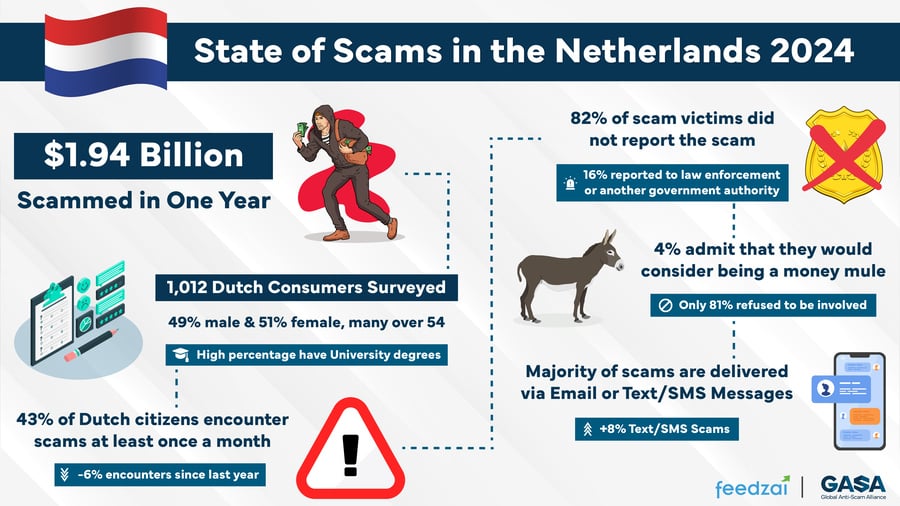
The Global Anti-Scam Alliance (GASA) , in partnership with Feedzai , has unveiled its 2024 State of Scams in the Netherlands report, offering a detailed examination of the ever-evolving scam landscape in the Netherlands. Based on a survey of 1,012 Dutch citizens, the findings highlight alarming trends in scam prevalence, financial and emotional tolls, and the growing sophistication of scam tactics in the digital age.
Key Findings from The State of Scams in The Netherlands Report
1-in-7 Dutch Citizens Scammed : An estimated EUR 1.75 billion (USD $1.94 billion) was lost to scams in 2024, accounting for 0.2% of the country’s GDP.
Decreasing Confidence in Scam Recognition : Only 58% of respondents expressed confidence in identifying scams, marking a 4% drop compared to last year.
Underreporting on the Rise : 82% of Dutch citizens chose not to report scams to law enforcement, a 9% increase from 2023.
Major Scams in Focus : Shopping scams remain the most common, while romance scams have seen a significant spike over the past year.
Sophisticated Methods : Scammers are increasingly leveraging AI-generated content , such as text, voices, and images, to deceive victims. SMS scams increased by 8%, with WhatsApp emerging as a popular platform for fraud.
Emotional and Psychological Toll : 42% of victims reported a strong emotional impact, a 6% decrease from 2023, possibly indicating normalization of scams among the population.
Rising Sophistication of Scams and Underreporting is a Growing Concern for the Dutch Population
While awareness of scams is growing, the report reveals a worrying trend of increasing sophistication in fraudulent tactics. Scammers now exploit AI-driven tools to mimic credible voices, craft persuasive emails, and create fake videos, making it harder for victims to discern reality from deception.
A notable 82% of victims failed to report their experiences to law enforcement, banks, or other authorities. This underreporting, coupled with the inability of many victims to recover their losses (94% of victims failed to recover funds), highlights an urgent need to simplify reporting processes and enhance victim support systems.
Fraud Methods in Focus in The State of Scams in the Netherlands 2024 Report
The report also sheds light on emerging scam trends in the Netherlands, including:
Bank Helpdesk Fraud : Fraudsters posing as bank employees contact victims, often in person, to "safeguard" funds by transferring them to fake accounts.
Investment Fraud Meets Romance Scams : Fraudsters target individuals on dating platforms, persuading them to invest in fake ventures.
Work-From-Home Scams : Victims are tricked into completing “tasks” and are fined or asked for investments when unable to meet demands.
The Financial and Emotional Scams of Scams in the Netherlands
On average, Dutch victims were stung for EUR 938 (USD $1,040) per scam incident. Only 6% of victims were able to fully recover their funds, reflecting a concerning trend of insufficient recovery mechanisms.
Beyond the financial toll, scams have had a profound emotional impact. Nearly half of respondents reported losing trust in the internet due to scams. The decline in emotional impact reported this year (6% lower than 2023) may suggest an unsettling normalization of scams as an unavoidable part of life.
Anti-Fraud Professionals Call for Cross-Sector Collaboration
The report emphasizes the need for coordinated action among key players, including law enforcement, financial institutions, and tech platforms, to address the rising threat of scams.
Dan Holmes, Director of Banking at Feedzai, called for increased collaboration:
“Banks, telecom providers, and email platforms must join forces to prevent scams. By focusing on inbound payments and creating reimbursement frameworks, financial institutions can significantly improve recovery rates and help victims.”
Henriëtte Bongers, Managing Director of Fraude Helpdesk, echoes this sentiment:
“Combining resources and expertise across public and private sectors is critical to deliver actionable solutions for consumers. Simplifying reporting and streamlining victim support will ease the burden on individuals and enhance detection efforts.”
GASA, Fraude Helpdesk, and Feedzai Give Recommendations for a Dutch Scam-Free Future
To combat the prevalence and sophistication of scams, The State of Scams in the Netherlands 2024 report outlines several key strategies:
Public Education : Increase awareness campaigns focusing on scam recognition and prevention.
Stronger Reporting Mechanisms : Simplify processes for reporting scams and provide victims with clear pathways for recourse.
AI-Driven Detection : Leverage advanced technologies to detect and prevent fraudulent activity before it reaches victims.
Victim Support : Improve fund recovery processes and enhance emotional support for victims.
Cross-Industry Collaboration : Foster partnerships between banks, tech platforms, telecoms, and government agencies to share data and develop unified scam-prevention strategies.
The 2024 State of Scams in the Netherlands report serves as a wake-up call for both individuals and institutions. Scams should not be normalized or treated as an unavoidable part of life. By strengthening consumer protection strategies, enhancing victim support, and fostering cross-industry collaboration, the Netherlands can create a safer digital environment and restore trust in online interactions.
For more insights and access to the full report, visit GASA.org/research .
State of Scams in South Africa 2026: A Comparative Review Across Africa
South African experts examine scam trends, AI, consumer protection and the need for stronger cross-sector collaboration.
-3.jpg)
More than one in five adults in Japan encountered scams in the past year
New State of Scams Japan 2026 report examines how scams are reaching consumers and where stronger prevention and collaboration can make a difference
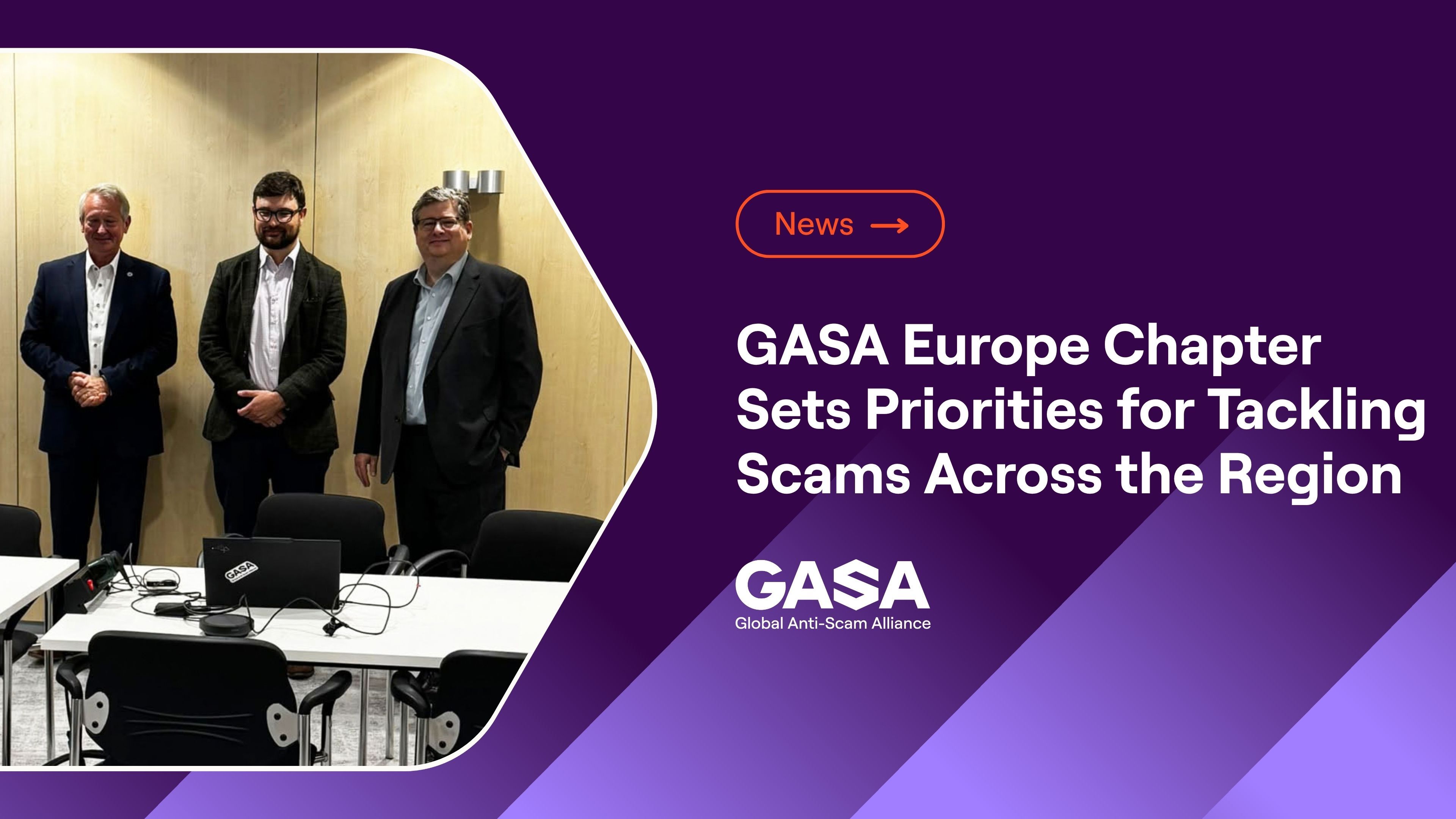
GASA Brings Stakeholders Together in Brussels for First Europe Chapter Meeting
GASA Europe brings 50+ stakeholders together in Brussels to discuss scam trends, data sharing and cross-sector priorities.
Research Working Group Meeting: Fraudulent Tickets and Robocall Scam Tactics
Research presented to GASA examines consumers’ ability to spot fraudulent tickets and tactics found across 4.49 million scam and spam robocalls.
-2.jpg)
Fighting Fraud Without Borders: Cross-Regional Collaboration in Latin America and Beyond
A roundtable at GASS America examined cross-regional collaboration in Latin America and beyond, focusing on fraud prevention, consumer protection and response.
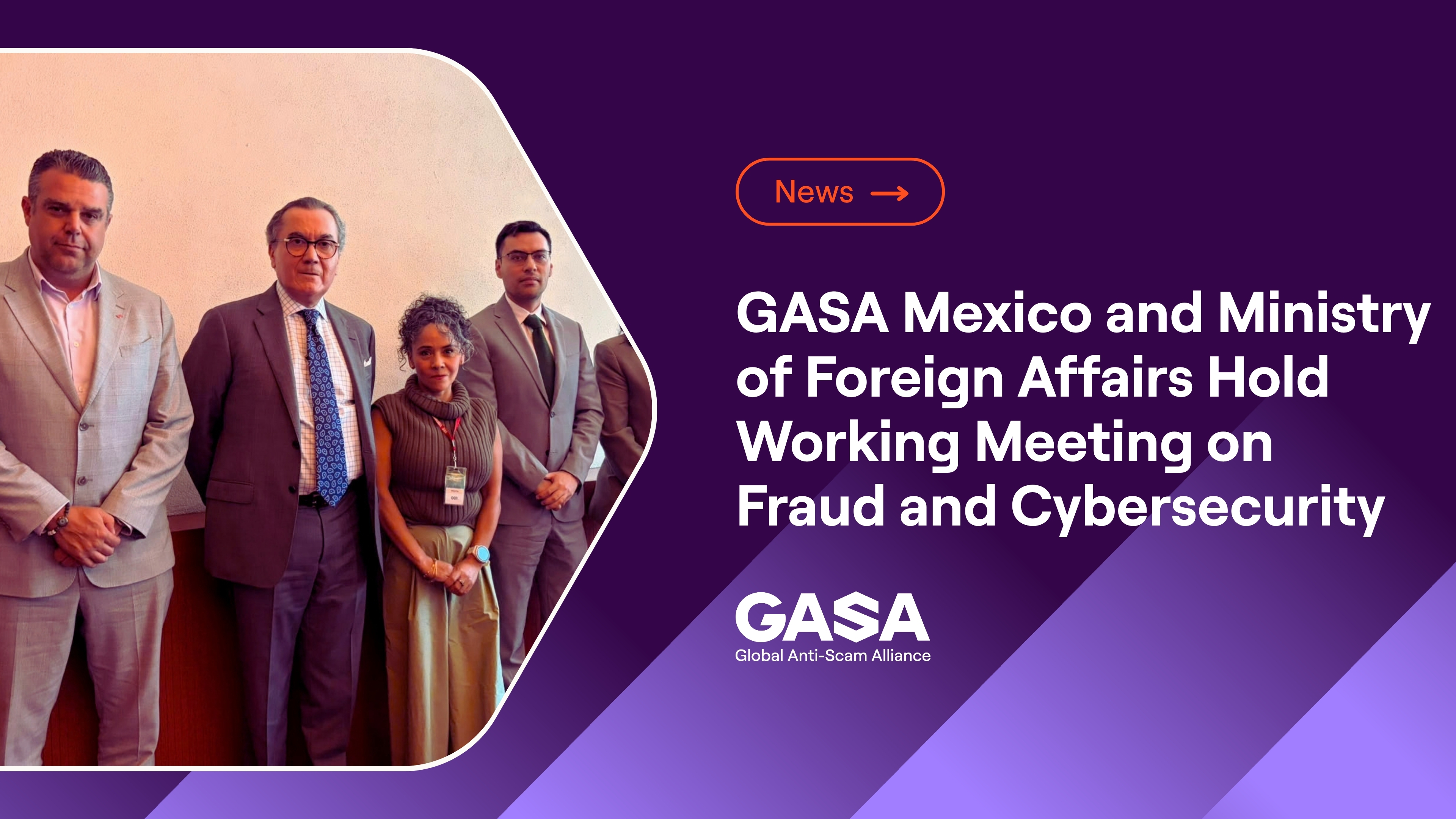
GASA Mexico and the Ministry of Foreign Affairs Hold Working Meeting Ahead of the Chapter’s Annual Forum, “From Coalition to Action”
GASA Mexico and the Ministry of Foreign Affairs convened Mastercard and Scotiabank to discuss fraud, cybersecurity, information sharing and emerging technologies.
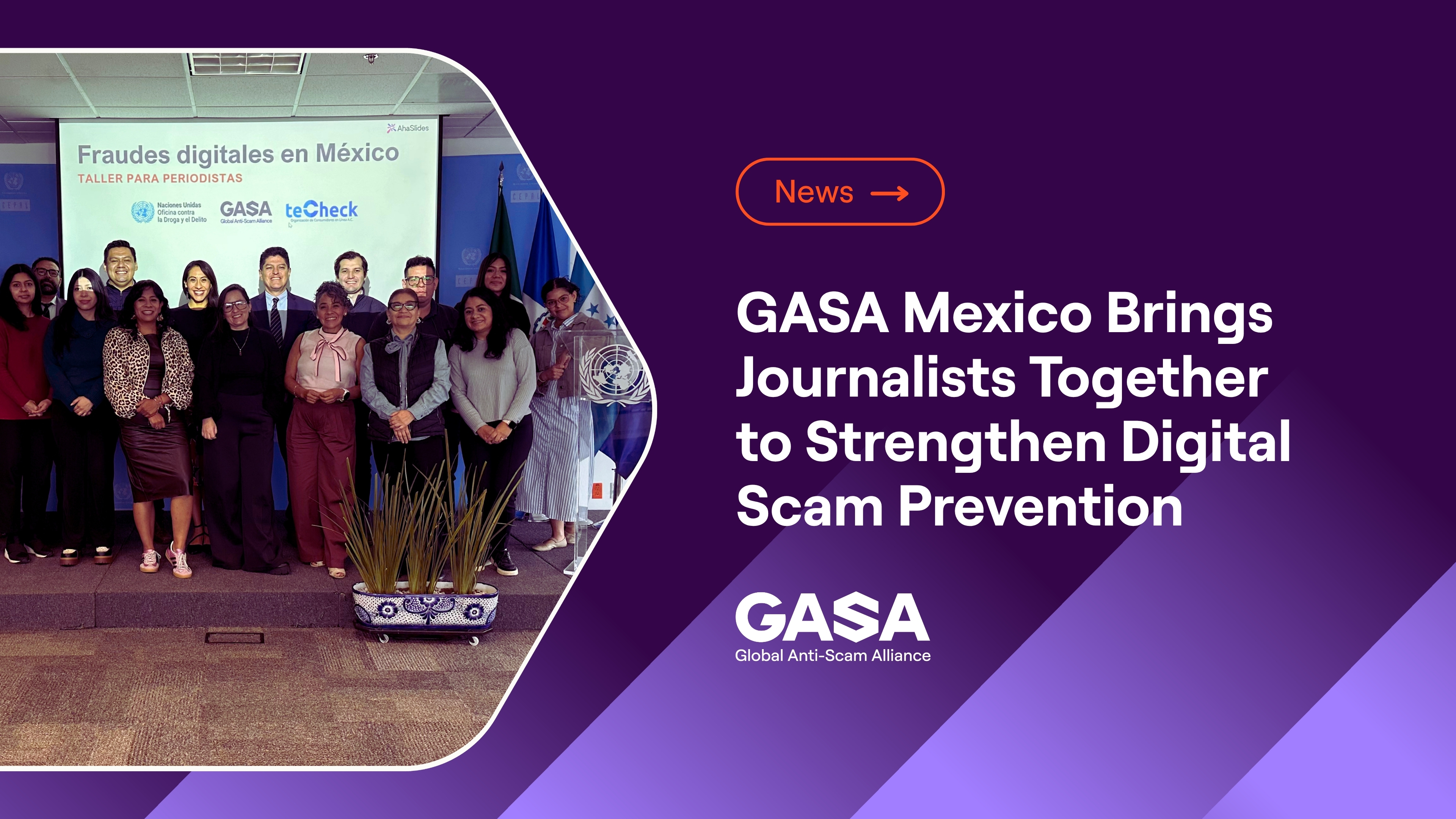
GASA Mexico Workshop Examines the Role of Journalism in Digital Scam Prevention
GASA Mexico brought together journalists and editors to discuss digital scams, victim-centred reporting and the role of media in scam prevention.

Brazil Anti-Scam Forum 2026: Key Takeaways on Strengthening Scam Prevention in Brazil
Key insights from the Brazil Anti-Scam Forum 2026 on scam trends, prevention, intelligence sharing and cross-sector collaboration.