
2024 Asia Scam Report Reveals Singapore and Japan See Decline in Scam Losses
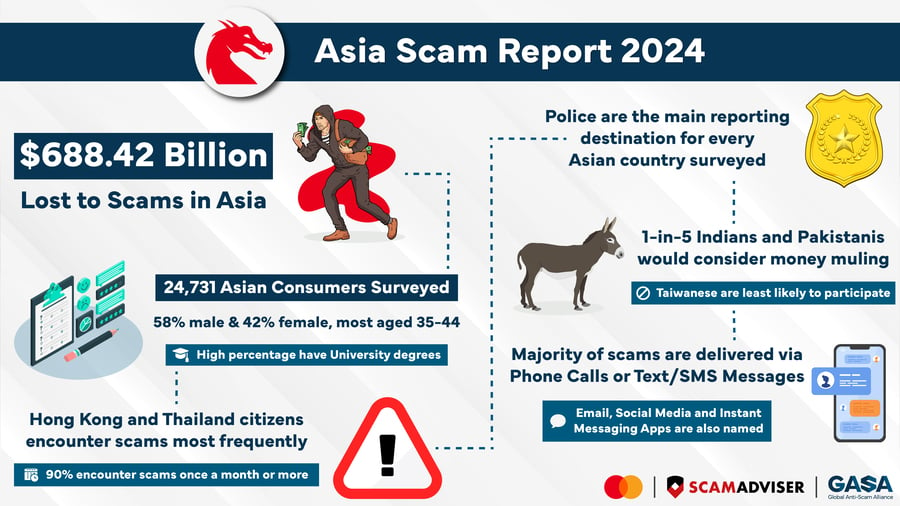
The Global Anti-Scam Alliance (GASA) , has released the highly anticipated 2024 Asia Scam Report . Based on survey responses from 24,731 consumers across Asia, this annual report offers insights into the growing threat posed by scammers and their increasingly sophisticated tactics.
Individual survey responses were extrapolated to report an estimated total loss of US$688.42 billion over the last 12 months , a figure that represents a significant portion of the estimated US$1.026 trillion global scam losses reported in GASA’s 2023 data. This year’s report highlights key trends such as the rise of AI-generated scam messages and the surge in social media-related fraud.
Key Findings from the 2024 Asia Scam Report:
Rapid Revictimization: Scam victims across Asia tend to be scammed repeatedly after they have been successfully targeted once.
Singapore (-40%) and Japan (-17%) have reported a noteworthy reduction in average scam loss per victim, indicating the effectiveness of preventive measures while other countries have seen increases. In Singapore, initiatives such as the co-location of police and banks has contributed to an efficient crackdown on scams.
Dominance of Social Media Scams: Some leading platforms have seen an increase in scam activity, with many users looking for social platforms to address fraudulent ads and fake accounts.
Top Scams by Category: Identity theft, investment scams, and shopping scams remain the leading threats across the region, with scammers targeting individuals through a range of channels, including phone calls, social media, and text messages.
Scam Prevention and Cross-Sector Collaboration in Focus at GASS Asia Summit
As Foundation Partners of GASA , Mastercard and ScamAdviser sponsored this report and will engage deeply in scam prevention discussions and partnerships at the Global Anti-Scam Summit (GASS) Asia Summit on October 20–21 . The event, in Singapore, is a key gathering for stakeholders across sectors to joint actions against perpetrators of scams.
With Amazon , Google , and other global organizations participating, the event will focus on best practices and new strategies in financial fraud, AI misuse, and consumer protection strategies.
For more information and to download the full 2024 Asia Scam Report, visit GASA's research directory .
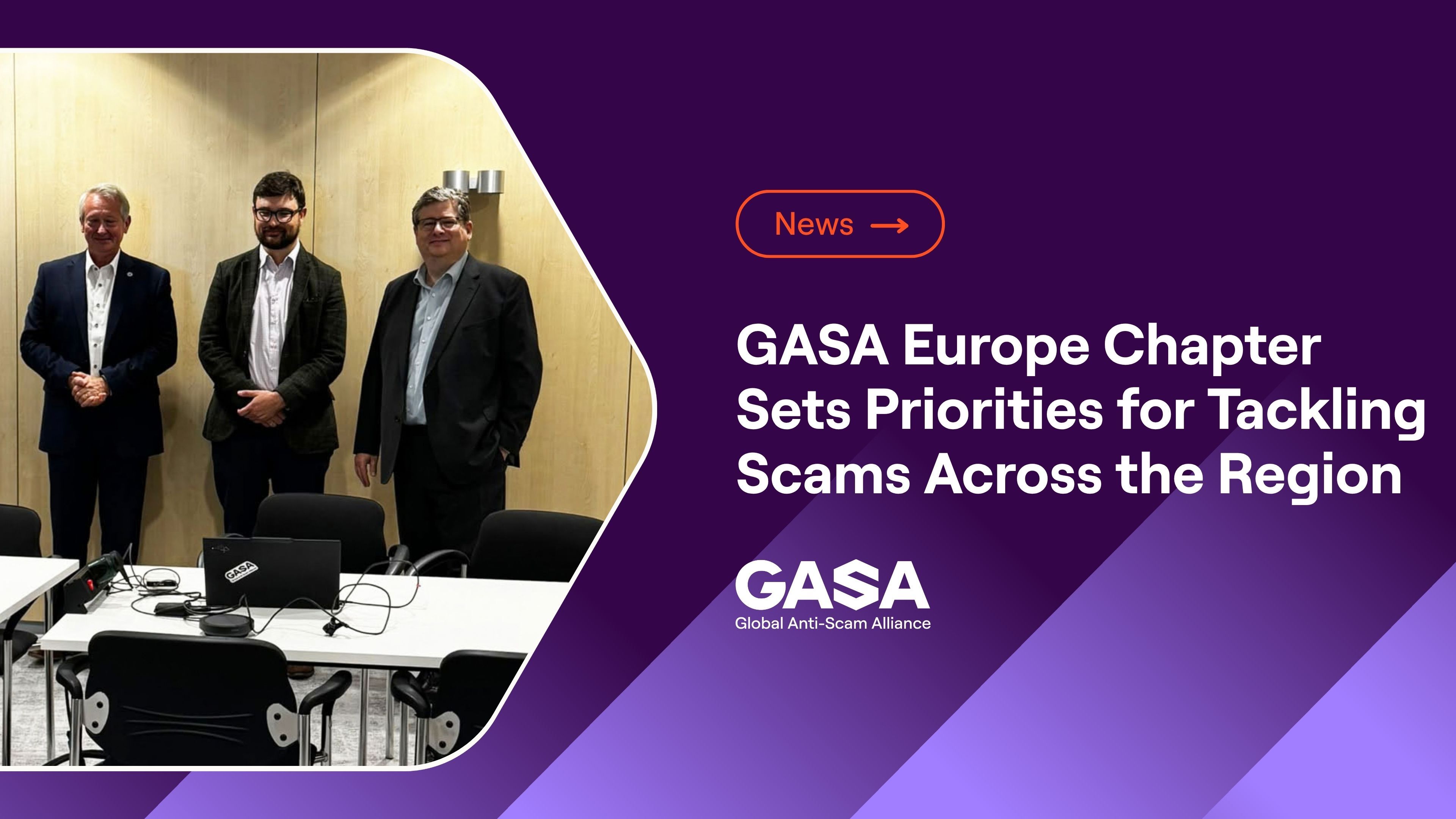
GASA Brings Stakeholders Together in Brussels for First Europe Chapter Meeting
GASA Europe brings 50+ stakeholders together in Brussels to discuss scam trends, data sharing and cross-sector priorities.
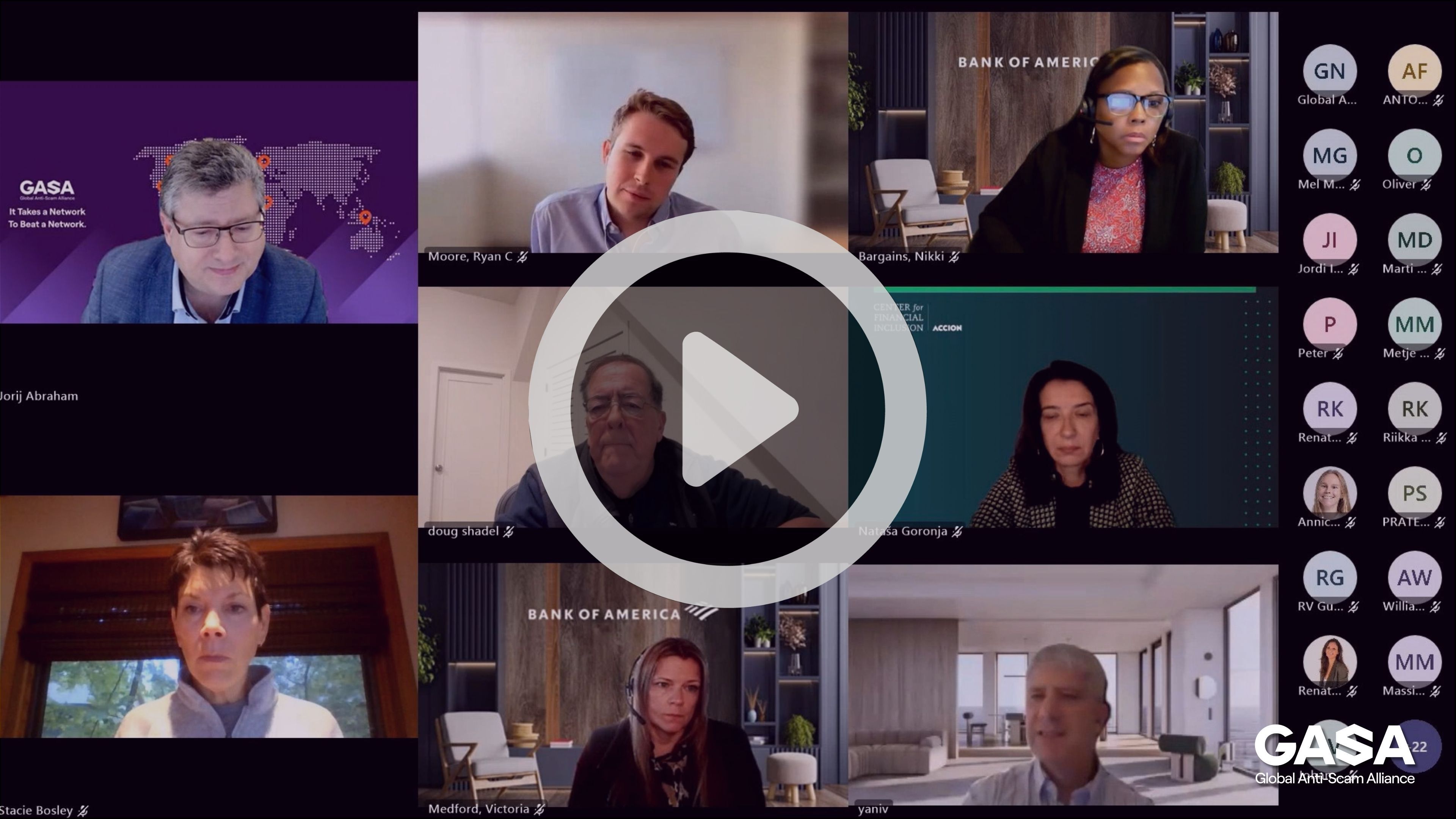
Research Working Group Meeting: Fraudulent Tickets and Robocall Scam Tactics
Research presented to GASA examines consumers’ ability to spot fraudulent tickets and tactics found across 4.49 million scam and spam robocalls.
-2.jpg)
Fighting Fraud Without Borders: Cross-Regional Collaboration in Latin America and Beyond
A roundtable at GASS America examined cross-regional collaboration in Latin America and beyond, focusing on fraud prevention, consumer protection and response.
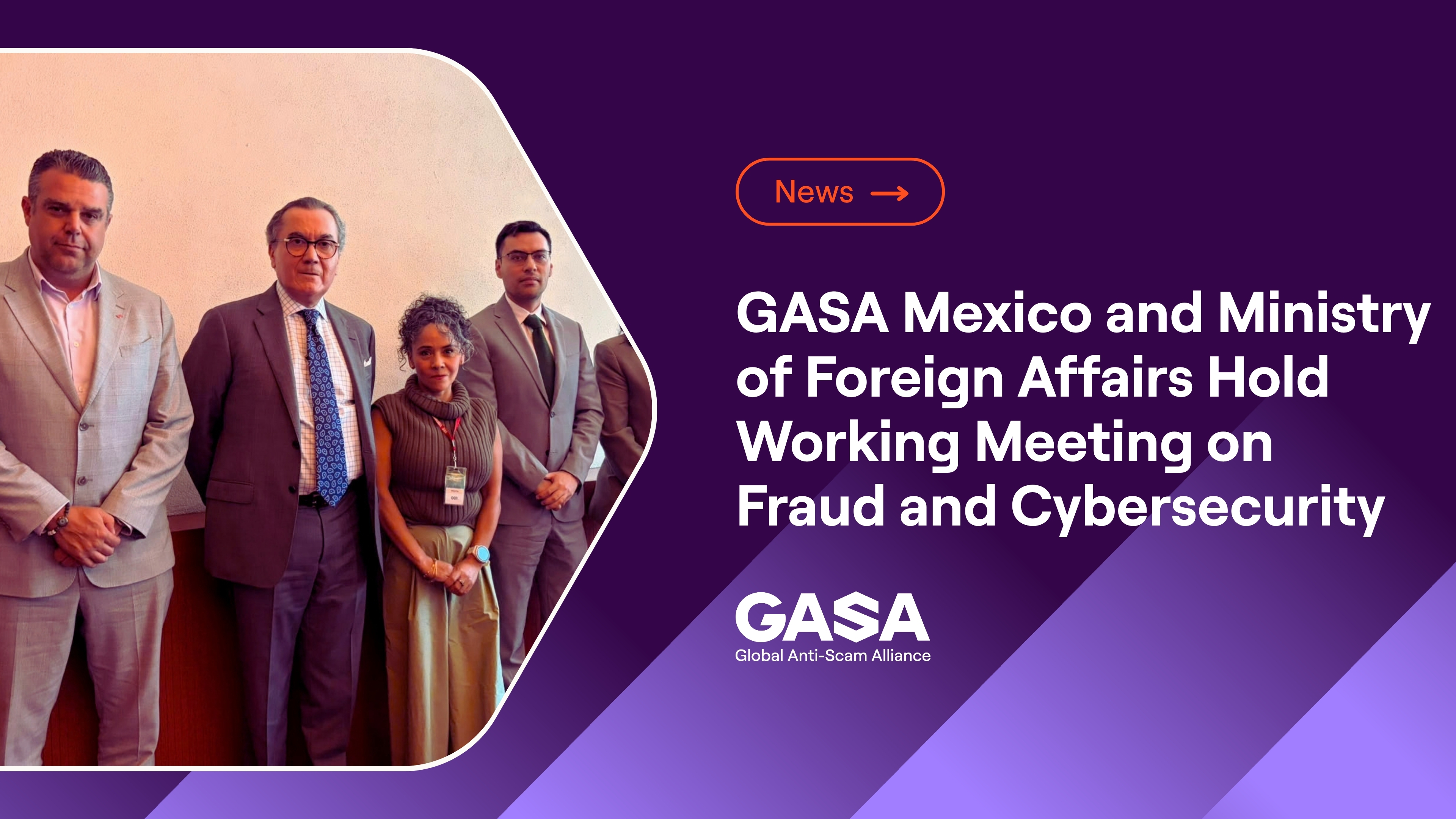
GASA Mexico and the Ministry of Foreign Affairs Hold Working Meeting Ahead of the Chapter’s Annual Forum, “From Coalition to Action”
GASA Mexico and the Ministry of Foreign Affairs convened Mastercard and Scotiabank to discuss fraud, cybersecurity, information sharing and emerging technologies.
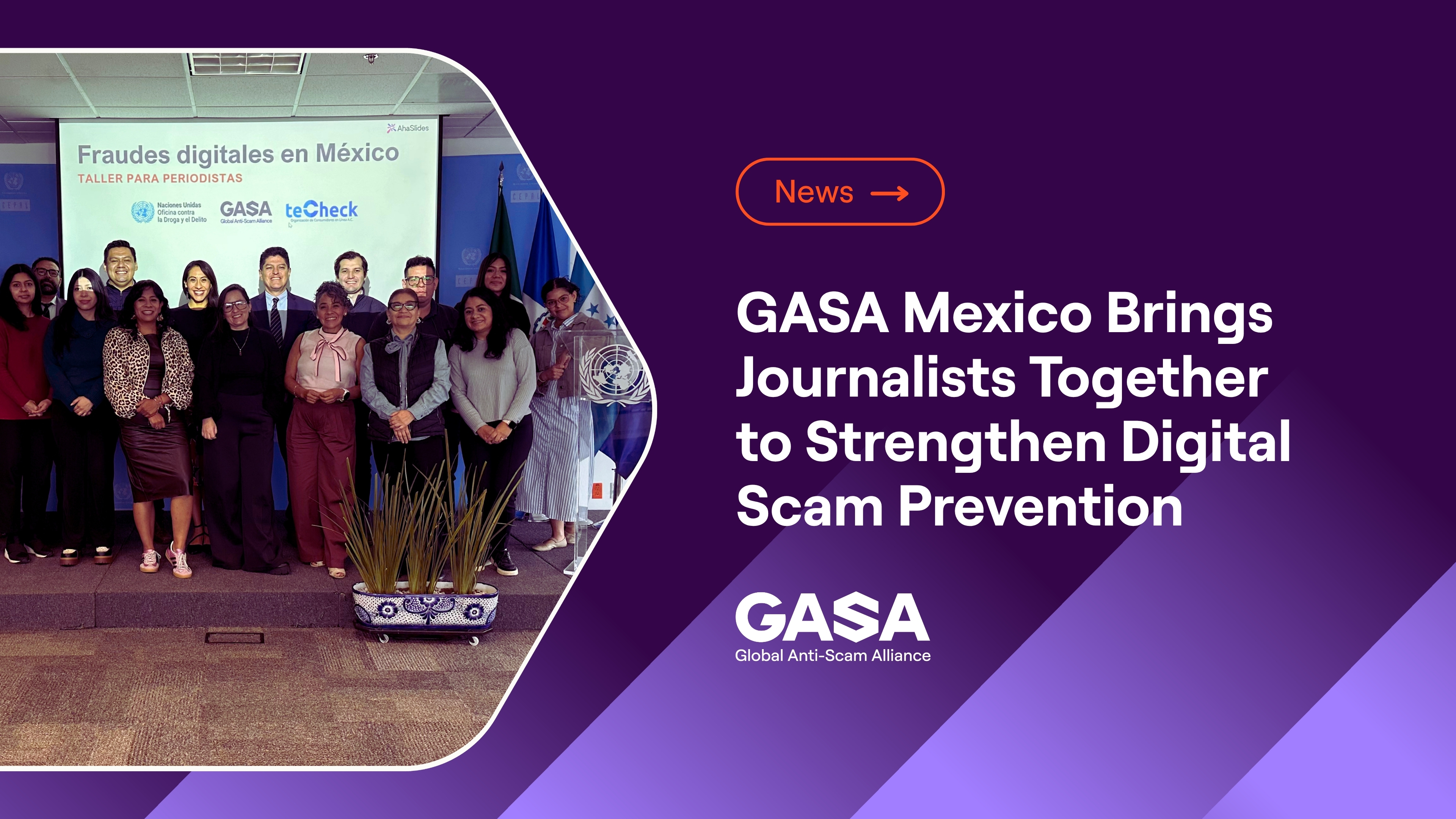
GASA Mexico Workshop Examines the Role of Journalism in Digital Scam Prevention
GASA Mexico brought together journalists and editors to discuss digital scams, victim-centred reporting and the role of media in scam prevention.

Brazil Anti-Scam Forum 2026: Key Takeaways on Strengthening Scam Prevention in Brazil
Key insights from the Brazil Anti-Scam Forum 2026 on scam trends, prevention, intelligence sharing and cross-sector collaboration.

GASA Consumer Education Working Group Develops 5-Step Response Plan for Scam Victims
GASA’s Consumer Education Working Group sets out a five-step response plan that organisations can use and share to support people affected by scams.
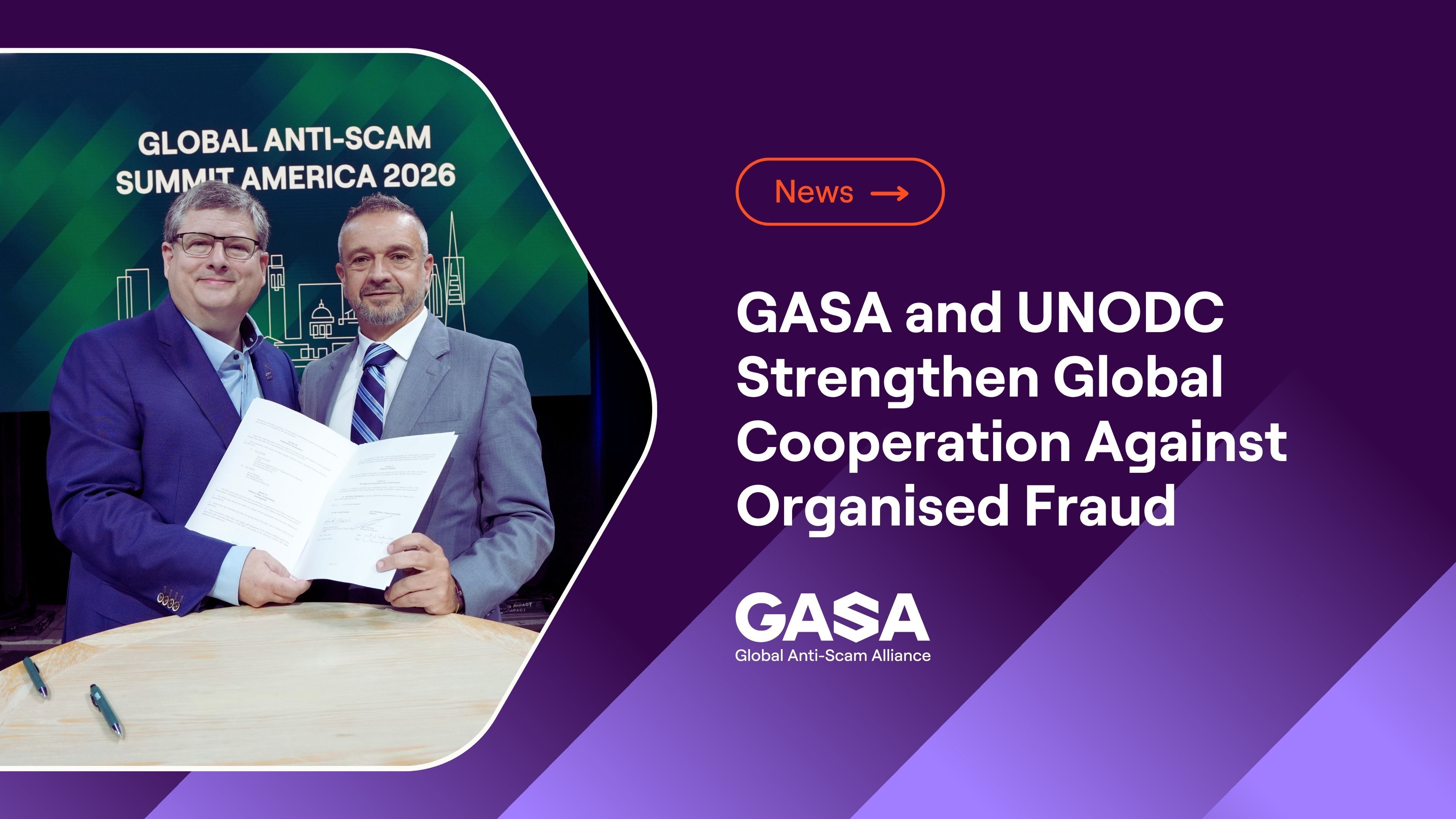
GASA and UNODC Partner to Strengthen Global Response to Organised Fraud
GASA and UNODC sign an MoU to strengthen international cooperation on fraud prevention, research, criminal justice responses and awareness.