4 Gamechangers to Enhance the Impact of Fraud Prevention at EU and National Level in Europe, Anna Martin, BEUC & Sanne van der Neut, EACB - Global Anti-Scam Summit Europe 2024
Date of Event: 2024-06-24
Event: Global Anti-Scam Summit Europe 2024
Anna Martin from the European Consumer Organisation (BEUC) and Sanne van der Neut from the European Association of Co-operative Banks (EACB) introduced four transformative strategies aimed at enhancing fraud prevention efforts throughout Europe. They emphasized the urgency of cross-sectoral collaboration as the first game changer. By uniting financial institutions, technology firms, consumer advocacy groups, and regulatory bodies in a cohesive EU-wide network, they argued for a unified front against increasingly sophisticated fraudulent activities.
The second game changer focused on the imperative of sharing fraud insights and data. Martin and van der Neut stressed the need for harmonized GDPR interpretations to facilitate effective data sharing across borders and sectors. They highlighted how clearer guidelines could streamline efforts to combat fraud while upholding consumer privacy rights.
Next, they underscored the significance of robust supervisory enforcement and cross-sector cooperation as the third game changer. They called for strengthened EU-level enforcement mechanisms to enforce consistent fraud prevention measures across different sectors. By aligning regulatory frameworks to balance privacy concerns with effective fraud prevention, they aimed to create a more resilient defense against fraudulent activities.
Finally, the speakers advocated for secure product design for consumer protection as the fourth game changer. They proposed integrating comprehensive fraud risk assessments into the development phase of new products and technologies. This approach would involve industry-wide training and awareness programs to mitigate risks associated with emerging technologies vulnerable to exploitation by fraudsters.
These game changers represent a concerted effort to instigate systemic changes in fraud prevention strategies across Europe. By addressing gaps in current practices and advocating for collaborative, data-driven, and proactive measures, Martin and van der Neut envision a more secure financial landscape for consumers and businesses alike.
Latest blogs & research
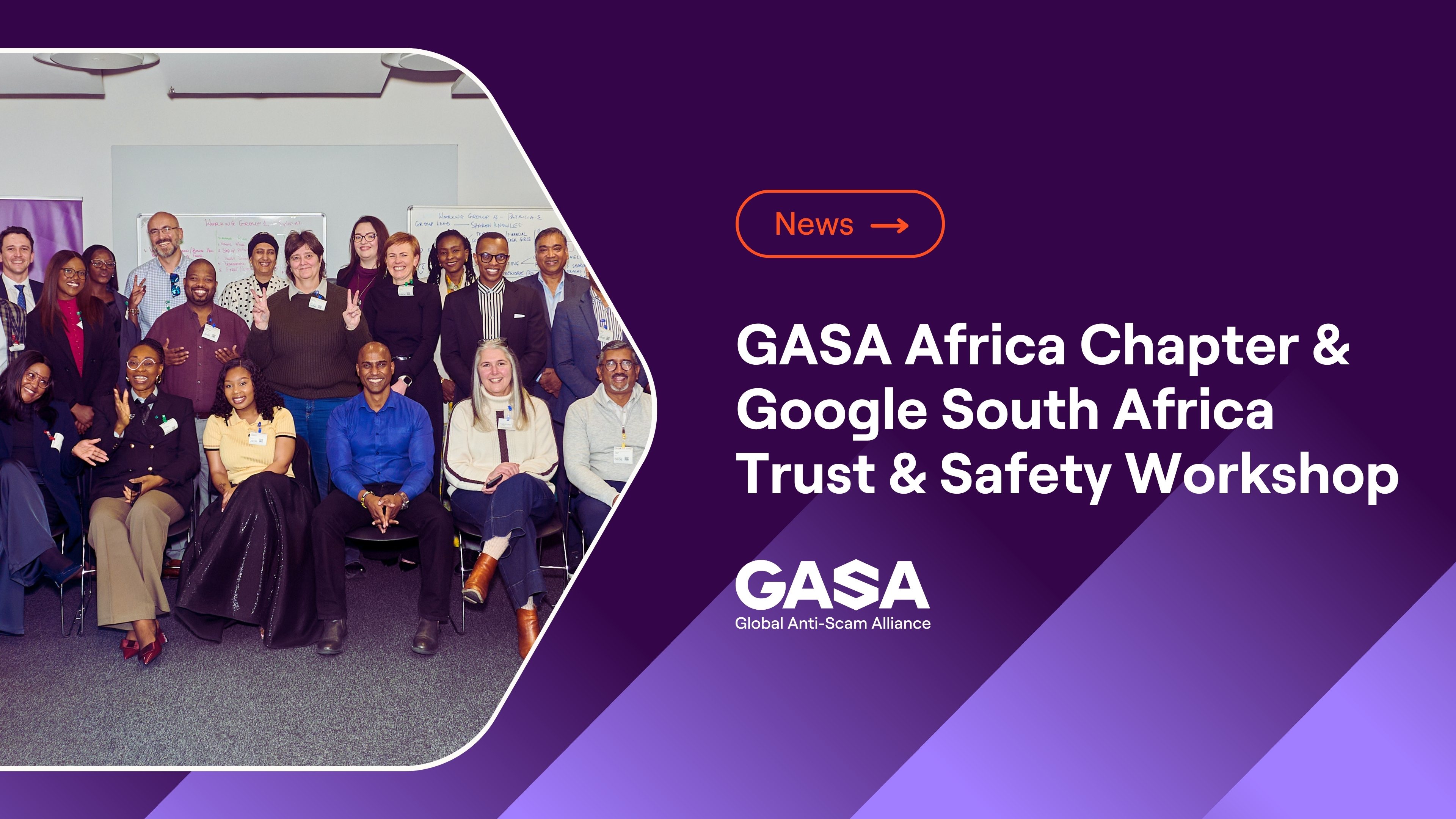
Accra Trust & Safety Workshop Turns Collaboration into Action Against Scams and Fraud in West Africa
GASA Africa Chapter and Google South Africa brought anti-fraud leaders together to strengthen cross-border cooperation and scam prevention.
State of Scams in Nigeria 2026: A Comparative Review Across Africa
Nigerian experts examine scam trends, technology, consumer protection and the need for stronger cross-sector collaboration.
Nearly three in four Danish adults encountered scams as estimated losses reach DKK 10.1 billion
New State of Scams Denmark 2026 report finds scam exposure is rising, while victims face repeated financial and emotional harm.
Building a More Trusted Digital Philippines: New Report Underscores the Need for Collective Action as Scam Exposure Continues to Rise
GASA’s State of Scams in the Philippines 2026 Report, in collaboration with Mastercard and Gogolook, highlights the growing scale of the scam challenge in the Philippines.
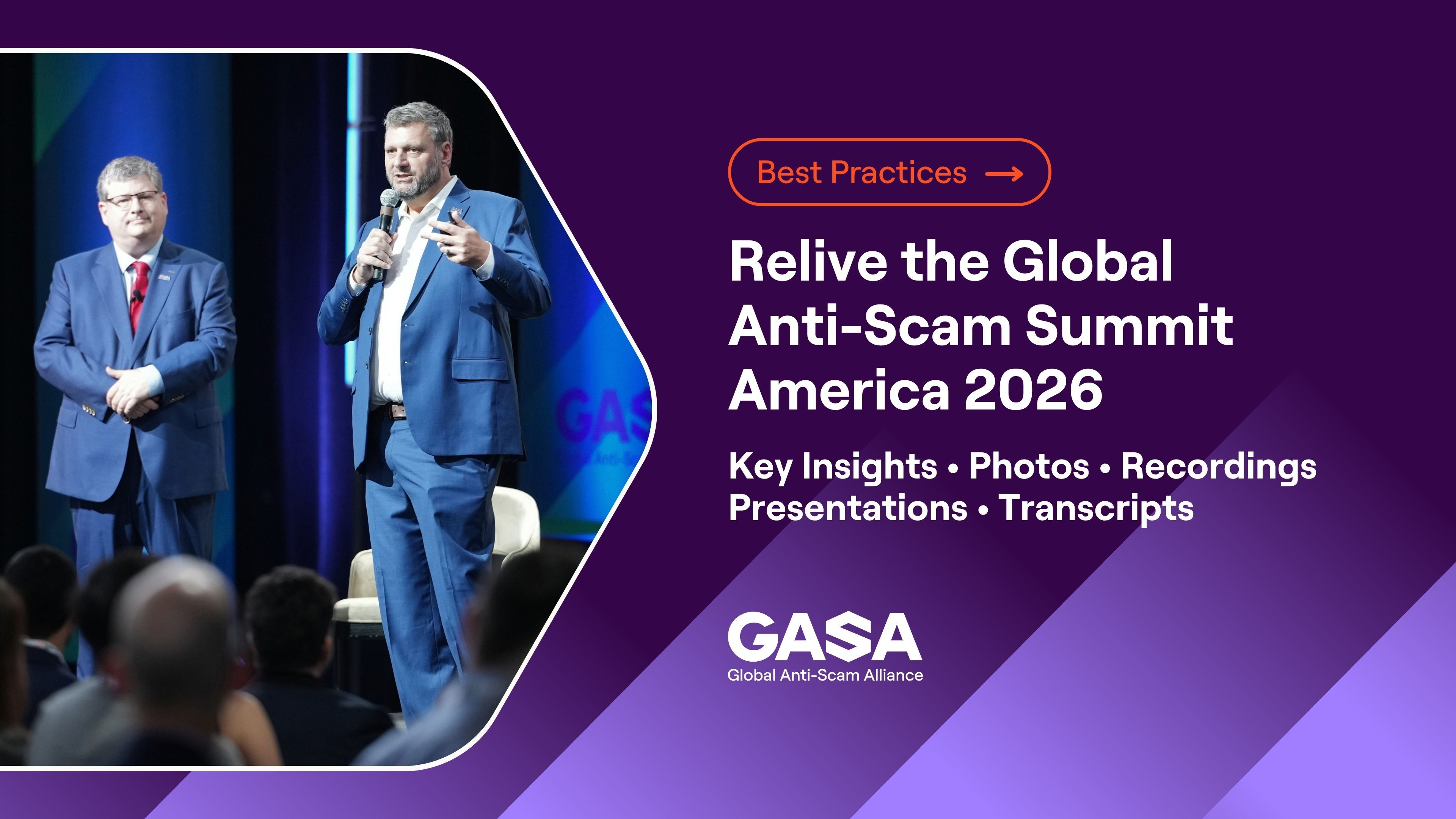
Global Anti-Scam Summit America 2026: Highlights, Insights and Resources
Explore GASS America 2026 highlights and insights, with the Summit summary, photos, presentation slides, transcripts and session recordings from San Francisco.
State of Scams in Kenya 2026: A Comparative Review Across Africa
Kenyan experts examine scam trends, data sharing, digital trust and the need for stronger cross-sector prevention.
State of Scams in South Africa 2026: A Comparative Review Across Africa
South African experts examine scam trends, AI, consumer protection and the need for stronger cross-sector collaboration.
More than one in five adults in Japan encountered scams in the past year
New State of Scams Japan 2026 report examines how scams are reaching consumers and where stronger prevention and collaboration can make a difference