
As scams continue to evolve and grow in sophistication, the need for a structured and consistent method to identify and categorise them has become critical. The ScamClassifierˢᵐ Model , developed by the Federal Reserve-led Scams Definition and Classification Work Group , offers a voluntary classification framework designed to improve scam detection, reporting, and mitigation across industries. This model was developed to address the growing complexity of scams and to provide a standardised approach for all stakeholders involved in combating fraud.
Overview of the ScamClassifier Model
The ScamClassifier Model provides a comprehensive framework for classifying various types of scams, defined as "the use of deception or manipulation intended to achieve financial gain." The model categorises scams using a structured series of steps, ensuring that fraud is accurately identified and labelled, including the ability to capture attempted scams.

The Four-Step Process
Confirm the Scam : The first step is to determine whether the case meets the official definition of a scam, which involves the use of deception or manipulation for financial gain.
Authorised or Unauthorised Payment : Next, the model assesses whether the payment was authorised or unauthorised, which helps in understanding the scam dynamics.
Identify the Scam Category : This step involves analysing how the scam was executed—whether through deceit, impersonation, or other manipulative tactics.
Select the Scam Type : Based on the scam's characteristics, it is classified into one of nine categories:
Merchandise
Investment
Property Sale or Rental
Romance Impostor
Government Impostor
Bank Impostor
Business Impostor
Relative/Family/Friend
Other Trusted Party
By using this structured process, organisations can classify scams accurately, leading to better reporting and enhanced collaboration across institutions.
Benefits of the ScamClassifier Model
The ScamClassifier model provides several key advantages for organisations looking to improve their scam prevention and mitigation strategies:
Improved Scam Detection : With a clear framework in place, organisations can more quickly identify the type of scam they are dealing with, enabling faster and more effective responses.
Enhanced Reporting : The consistent classification helps organisations align their reporting methods, making data sharing and analysis more streamlined across different industries and sectors.
Scalability and Flexibility : As scams evolve, the ScamClassifier model is adaptable to new scam types, ensuring that it remains a relevant tool in the fight against fraud.
How the ScamClassifier Model Supports the Fight Against Scams
The ScamClassifier model provides a unified language for identifying scams, making it easier for institutions to share data and collaborate. This standardisation reduces the fragmentation often found in fraud reporting and helps identify trends and emerging threats more effectively. By adopting this model, institutions can ensure a more robust approach to scam prevention, benefiting both consumers and businesses.
How the ScamClassifier and FraudClassifier Models Work Together
In addition to the ScamClassifier model, the FraudClassifierˢᵐ model offers a broader framework for understanding fraud involving unauthorised payments, while the ScamClassifier focuses on scams involving authorised payments made through deception.

Typically, the FraudClassifier is applied first to determine if an incident involves unauthorised payments. It classifies these incidents based on how the unauthorised party accessed payment information, helping organisations address fraud at a systemic level.
If the payment is found to be authorised, meaning the victim was deceived into making it, the ScamClassifier steps in to categorise the specific type of scam (e.g., impersonation, romance, business scams). Together, these models provide a complete view of fraudulent activities, allowing organisations to improve their fraud detection and prevention strategies.
Conclusion
The ScamClassifierˢᵐ model is a significant development in the fight against fraud, offering a structured, scalable approach to classifying and addressing the wide array of scams that target consumers and businesses today. By encouraging the use of a consistent scam classification framework, this model enables organisations to improve their scam detection and prevention strategies, while also promoting better data sharing and collaboration.
For more information about the ScamClassifier model, visit the Federal Reserve's ScamClassifier page .
There will be a panel discussion on the ScamClassifier model at the Global Anti-Scam Summit Americas 2024 , where experts will explore its real-world application and impact.
About the Author
James Greening , operating under a pseudonym, brings a wealth of experience to his role. Formerly the sole driving force behind Fake Website Buster, James leverages his expertise to raise awareness about online scams. He currently serves as a Content Marketing & Design Specialist for the Global Anti-Scam Alliance (GASA), and contributes to ScamAdviser.com .
James’s mission aligns with GASA’s mission to protect consumers worldwide from scams. He is committed to empowering professionals with the insights and tools necessary to detect and mitigate online scams, ensuring the security and integrity of their operations and digital ecosystems.
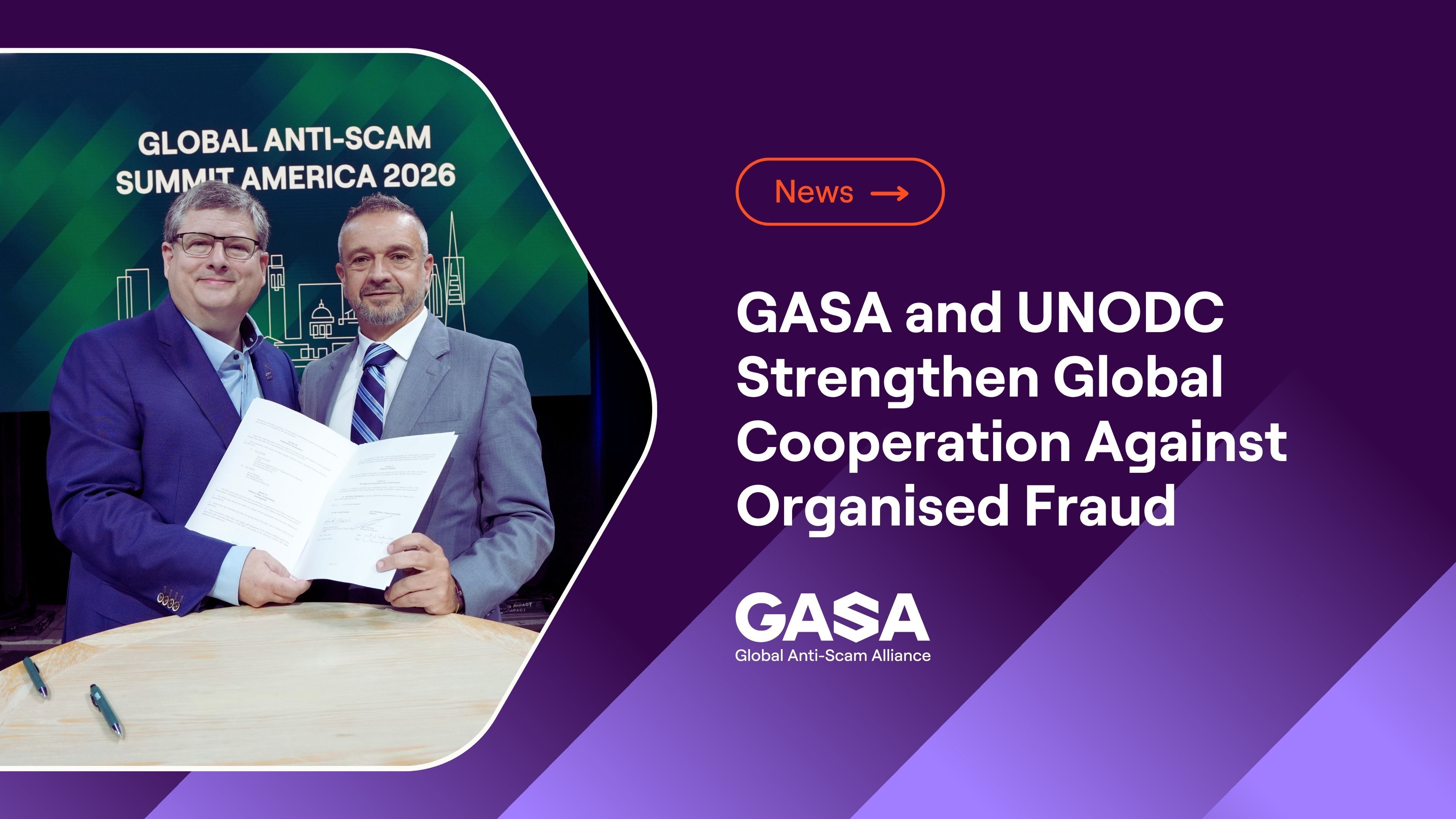
GASA and UNODC Partner to Strengthen Global Response to Organised Fraud
GASA and UNODC sign an MoU to strengthen international cooperation on fraud prevention, research, criminal justice responses and awareness.
Meet the Winners – Scam Fighter Awards at the Global Anti-Scam Summit America 2026
Meet the winners of the Scam Fighter Awards at the Global Anti-Scam Summit America 2026 and learn about their work in education, research, collaboration and technology.
From Information Sharing to Intelligence Production: GASA Mexico in Forbes
Sissi de la Peña, Director of the GASA Mexico Chapter, examines in Forbes México what the U.S. memorandum on cyber operations against fraud networks means for the country.

GASA and Google Trust & Safety Workshop Sets Priorities for Anti-Scam Cooperation Across Africa
GASA Africa Chapter and Google South Africa brought anti-fraud leaders together to strengthen cross-border cooperation and scam prevention.
Allstate Identity Protection Joins the Global Anti-Scam Alliance to Strengthen the Fight Against Scams and Identity Theft
Allstate Identity Protection has joined the Global Anti-Scam Alliance (GASA) as a Corporate Member within the North America Chapter.
GASA and Whoscall Release 2026 Asia Scam Report – Taiwan
The 2026 Asia Scam Report – Taiwan, provides an in-depth look at scam exposure, channels, victim experiences, and scam awareness among people in Taiwan.

BanCoppel joins the Global Anti-Scam Alliance to bolster fraud prevention and safeguard individuals entering the banking system.
BanCoppel has joined the Global Anti-Scam Alliance (GASA) as a Corporate Member of the GASA Mexico Chapter.
The emotions scammers exploit: how social engineering influences our decisions
How scammers use fear, urgency, excitement and trust to influence decisions, and how recognising these tactics can help people prevent fraud.