
In a bid to fortify email security and combat the rising tide of scams, Google is rolling out significant changes to Gmail's policies for bulk email senders. Starting April 2024, there will be a surge in rejections for unsolicited emails, catching those who fail to play by the new, stricter rules. Google's new guidelines mean bulk senders not meeting the requirements will face temporary errors, with specific error codes affecting a small portion of their non-compliant email traffic.
New Guidelines Enhance Gmail Security Against Scams
Back in October 2023, Google announced a plan to shield Gmail users from the annoyance of unwanted bulk emails, especially fraudulent emails. According to Neil Kumaran , Google’s Group Product Manager for Gmail Security & Trust , these changes aren't just about tightening security bolts; they're geared towards boosting sender-side security and giving users even more control over what lands in their inbox.
Simply put, the aim here is to patch up those holes that scammers slip through, making Gmail a tougher nut to crack against fraudulent activities. Google underscores that this shift is all about user protection, particularly from the onslaught of bulk emails. It means that users can rest easy knowing the emails they receive are actually from the actual organization and not an imposter. For the senders, Neil notes, “meeting these requirements should help senders reach those who want their messages more effectively, with diminished risk of spoofing and hijacking from bad actors.”
Interestingly, some bulk senders have started noticing error messages while trying to send out bulk emails. However, Google insists that this is “a product of pre-existing authentication requirements” and not the new changes.
Cracking Down on Scams with Stricter Measures
Google's crackdown specifically targets bulk email senders, especially those bombarding Gmail accounts with 5,000 or more emails daily .
“Starting February 2024, Gmail will require the following for senders who send 5,000 or more messages a day to Gmail accounts: Authenticate outgoing email, avoid sending unwanted or unsolicited email, and make it easy for recipients to unsubscribe,” Google says.
A crucial aspect of these changes is the need for bulk senders to implement a straightforward one-click unsubscribe button in all commercial and promotional emails by June 1st, 2024. For senders, they are required to process this unsubscribe request within two days.
These measures serve as a potent tool in the fight against scams, providing users with an uncomplicated means to opt out of unwanted messages. The one-click unsubscribe option aims to simplify the process for users who wish to step back from potentially harmful or misleading emails.
This also means that email marketers must use their wits otherwise they may be losing subscribers in great propositions.
Temporary Hurdles and Gradual Rejections
To make the transition smoother, Google has introduced temporary hurdles for bulk senders who don't meet the new sender requirements. These hurdles, limited to a small percentage of non-compliant traffic, help senders identify issues that need fixing.
Looking ahead, Google plans to increase rejection rates for non-compliant email traffic gradually. For instance, starting in April 2024, if 75% of a sender's traffic fails to meet the new requirements, a certain percentage of the remaining 25% will face rejection. Though Google does not indicate the exact percentage that will be rejected, a gradual increase is to be expected.
Impact on Scams and the Future of Email Security
These changes are like a big step forward in the fight against scams and shady activities happening through email, which have been a playing ground for phishing scammers. By making sure that the people sending emails are who they say they are, Google wants to make it harder for the bad guys to trick email recipients, creating a safer online space for Gmail users.
As more emails that don't follow the rules get turned away, it becomes tougher for scammers to sneak into our inboxes. This means our email experience becomes more secure. Plus, now we have this handy one-click option to say, "I don't want these emails anymore," giving us more control over what lands in our inbox and making it harder for scams and spam to bother us.
However, it's not just scammers feeling the impact. Email marketing is in for a change too. With these new guidelines, senders now need to be ultra-precise with their messages. The days of flooding inboxes with generic content are numbered. As rejection rates climb, marketing emails must adhere to the rules, ensuring that the right messages reach the right audience.
In a nutshell, these Gmail changes mean a more controlled and precise email world. Google is making commendable advancements in email security, and concurrently, Yahoo is also gearing up to tackle spam and abuse through email by implementing new requirements for large senders. Marcel Becker , Sr. Dir. Product at Yahoo notes, “No matter who their email provider is, all users deserve the safest, most secure experience possible.”
What if every email service took a cue from these positive changes? It's like a good energy boost for emails – making them more secure and user-friendly. If all providers hopped on the bandwagon and adopted similar safety measures, we could have a much smoother and safer online communication experience.
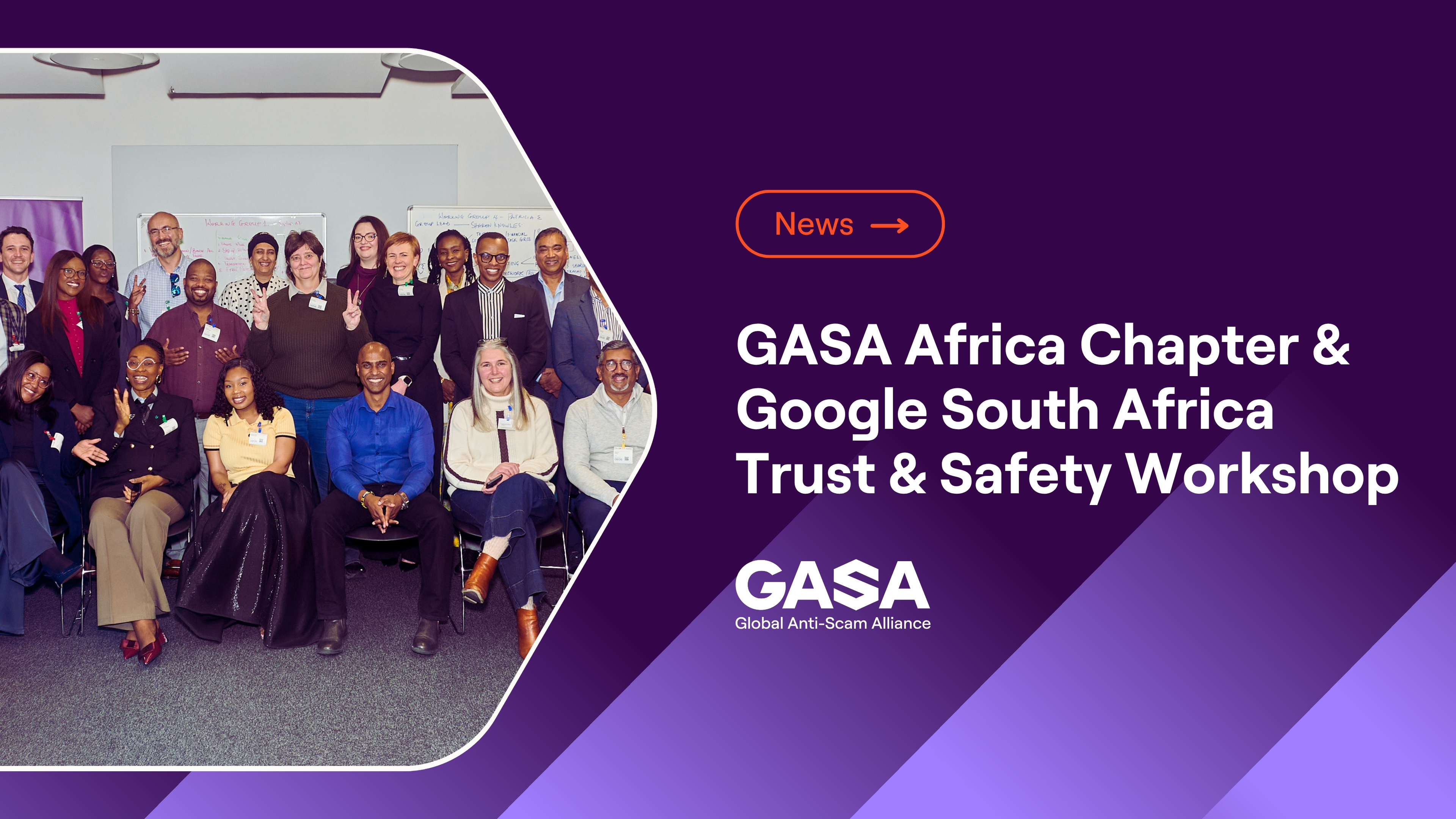
Accra Trust & Safety Workshop Turns Collaboration into Action Against Scams and Fraud in West Africa
GASA Africa Chapter and Google South Africa brought anti-fraud leaders together to strengthen cross-border cooperation and scam prevention.
State of Scams in Nigeria 2026: A Comparative Review Across Africa
Nigerian experts examine scam trends, technology, consumer protection and the need for stronger cross-sector collaboration.
Nearly three in four Danish adults encountered scams as estimated losses reach DKK 10.1 billion
New State of Scams Denmark 2026 report finds scam exposure is rising, while victims face repeated financial and emotional harm.
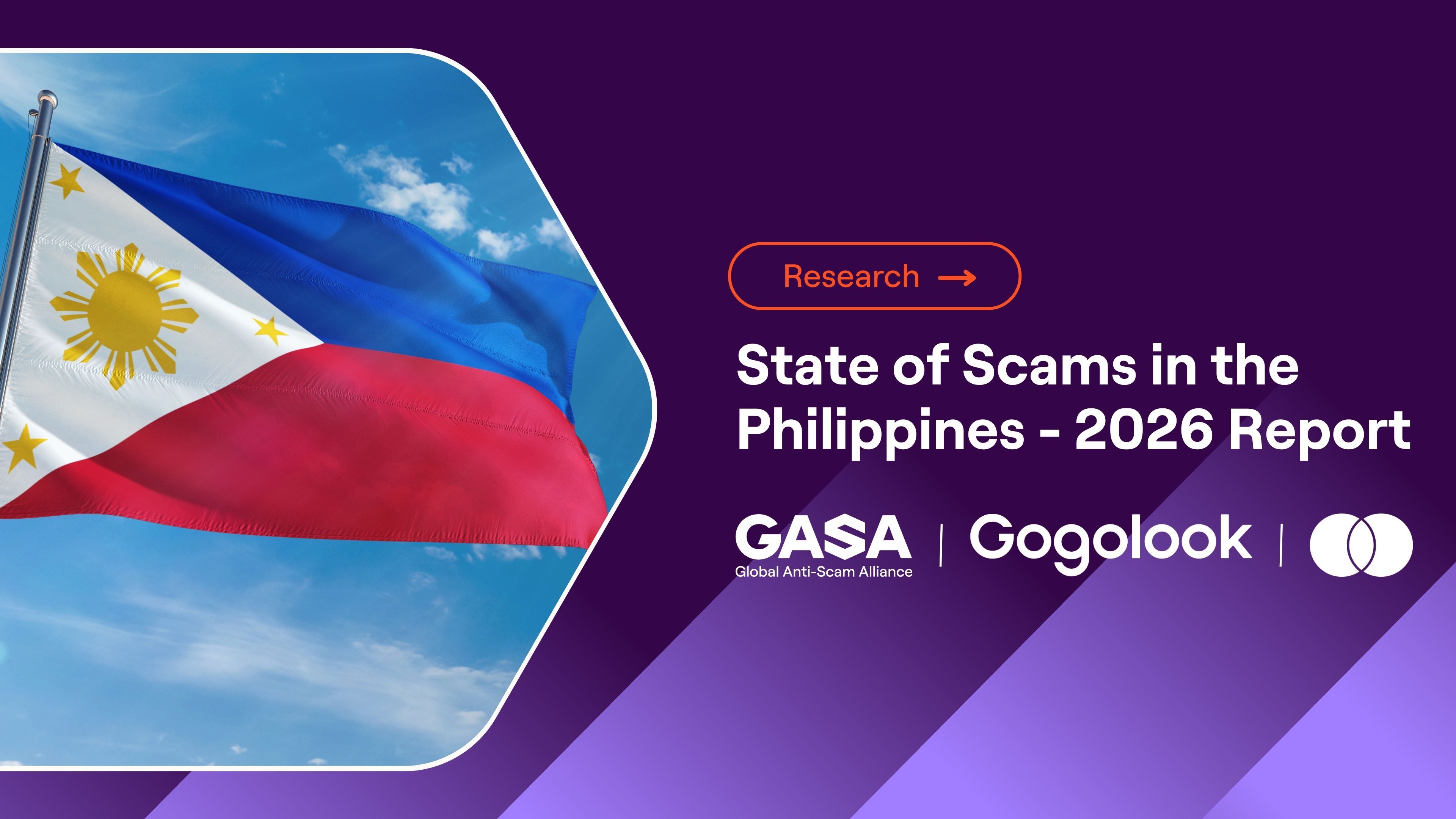
Building a More Trusted Digital Philippines: New Report Underscores the Need for Collective Action as Scam Exposure Continues to Rise
GASA’s State of Scams in the Philippines 2026 Report, in collaboration with Mastercard and Gogolook, highlights the growing scale of the scam challenge in the Philippines.
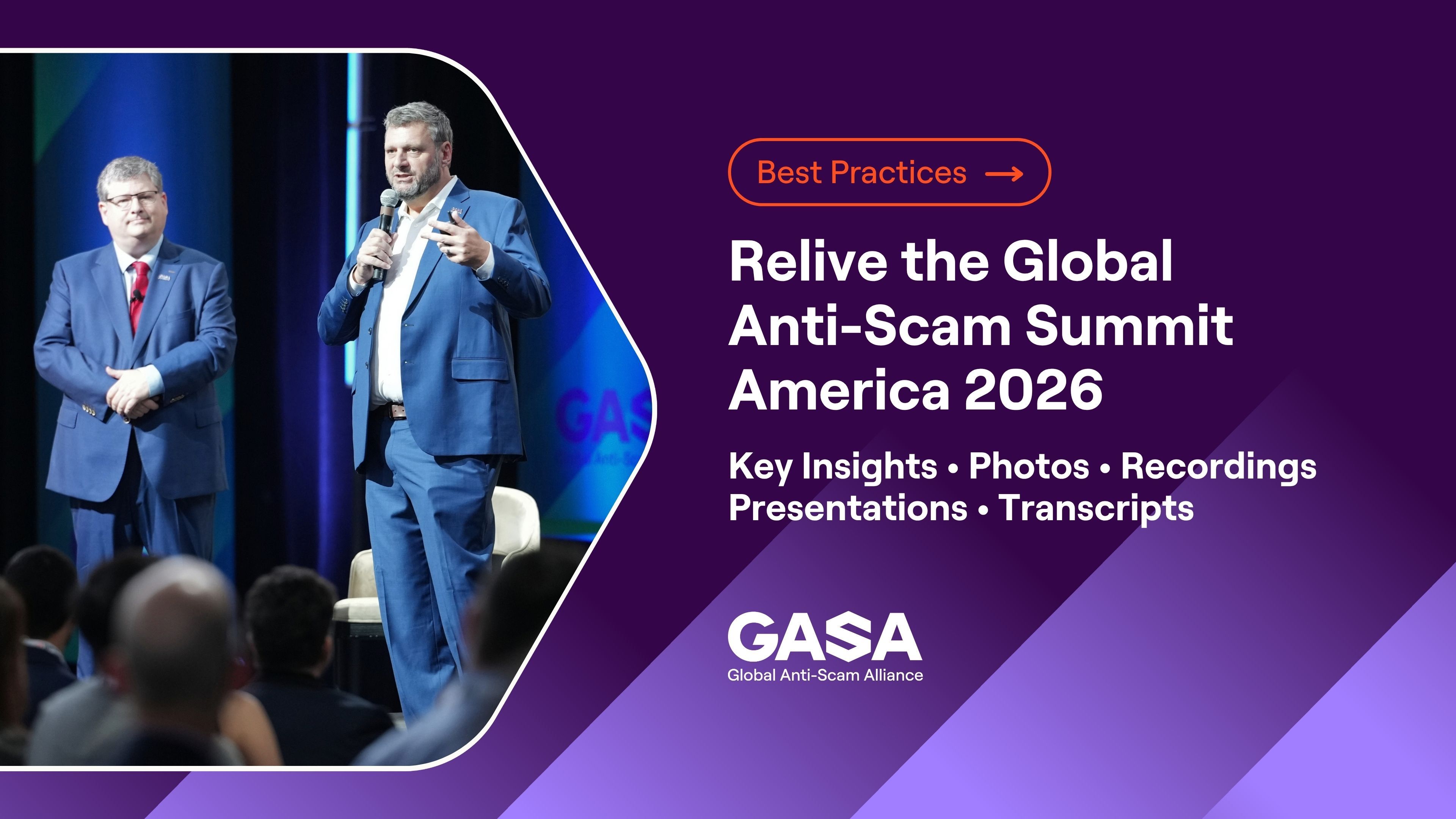
Global Anti-Scam Summit America 2026: Highlights, Insights and Resources
Explore GASS America 2026 highlights and insights, with the Summit summary, photos, presentation slides, transcripts and session recordings from San Francisco.
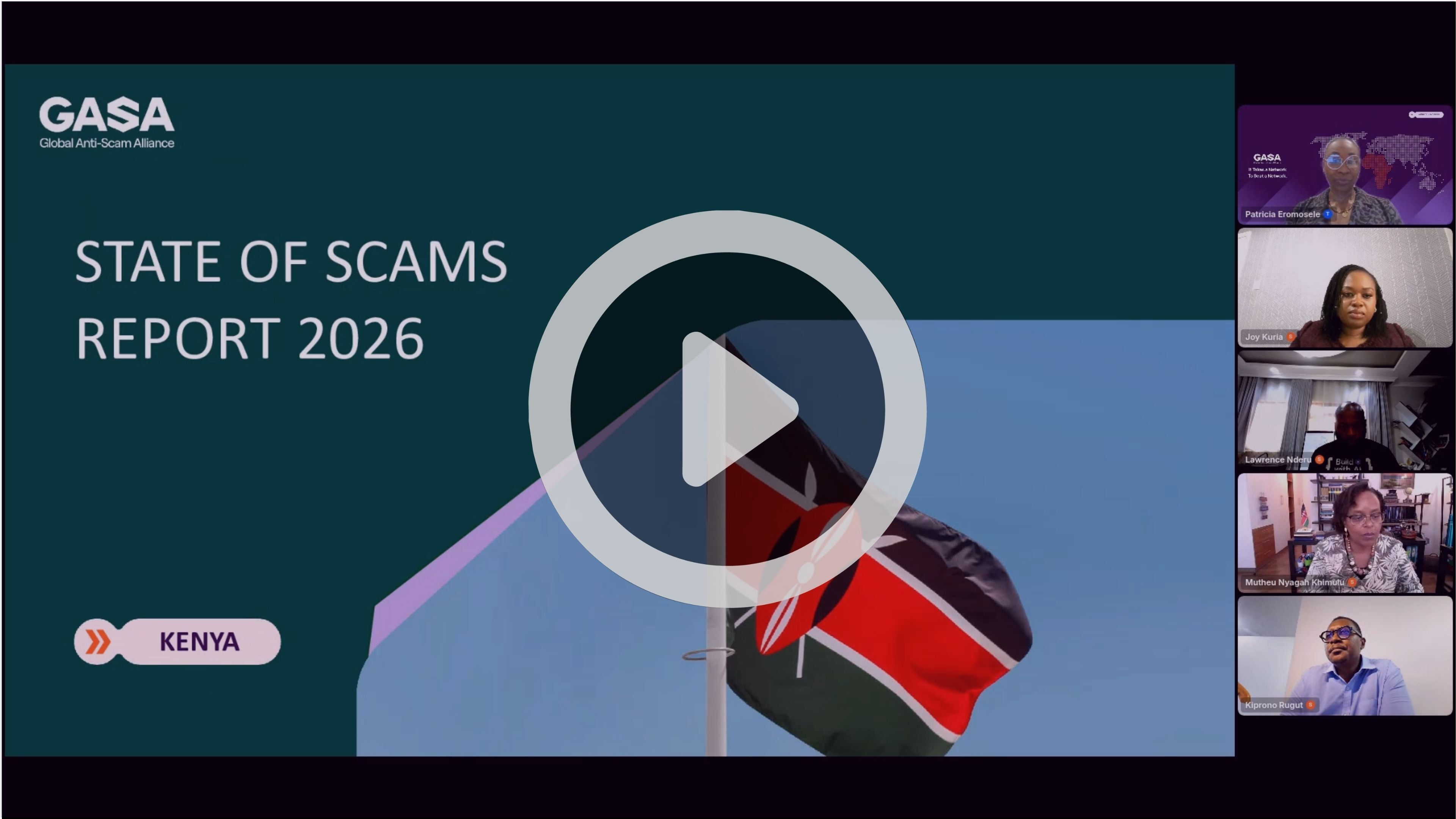
State of Scams in Kenya 2026: A Comparative Review Across Africa
Kenyan experts examine scam trends, data sharing, digital trust and the need for stronger cross-sector prevention.
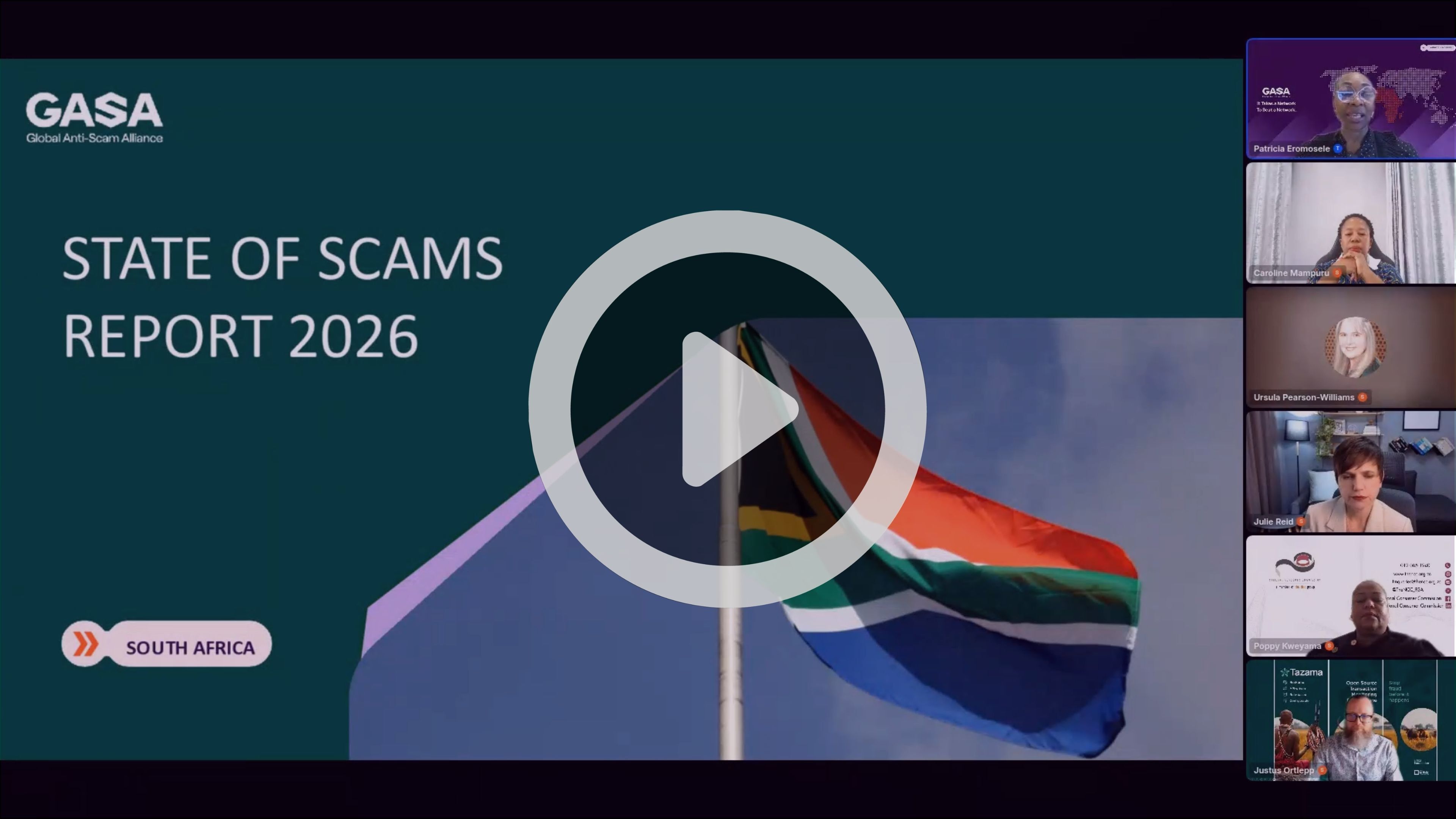
State of Scams in South Africa 2026: A Comparative Review Across Africa
South African experts examine scam trends, AI, consumer protection and the need for stronger cross-sector collaboration.
-3.jpg)
More than one in five adults in Japan encountered scams in the past year
New State of Scams Japan 2026 report examines how scams are reaching consumers and where stronger prevention and collaboration can make a difference