
If you receive messages of this type, confirm the legitimacy directly with your Tax Authority. If this is not the case, delete them without opening them.

Tax season has begun, and the story repeats itself every year: the hunt for scams begins, with new techniques challenging even the most astute of taxpayers.
The new year had barely begun when the tax authorities in Portugal issued warnings about a fraudulent email inviting taxpayers to visit a certain link to receive their IRS refund. In this case, the attempted scam is fairly obvious, especially since it occurs in January – the Tax Authority never refunds taxes before the income tax returns are filed, which only begins in April. And even if this fact isn't enough to raise suspicions, a closer look helps to expose the fraud - the email address from which the email was sent did not end in ".pt", the domain associated with Portugal, but in ".in", registered in India...
In April 2023, for example, an email that circulated all over the country suggested taxpayers to change "access credentials to the Finance portal". Although this would be perfectly plausible at that time of year, it was, in fact, a scam. In August, another email message warned about "discrepancies" in the IRS declaration and urged correction through the sent link. And, three months later, other emails about supposed tax debts of the recipients appeared, which may have led to some clicks on the pages of cybercriminals.
If you receive such messages, confirm with the Tax Authority of your country if they are legitimate. If not, delete them without opening. In these phishing scams - which allow scammers to access your data - just one click is enough to give them access to everything you own.
Did you know?
In one of the fraud attempts, the address through which the email was sent did not end in ".pt", a domain associated with Portugal, but in ".in", registered in India.
About the author: Cláudia Maia, Director of Publications, DECO PROteste
Director of Publications at DECO PROteste since 2015, Cláudia Maia is responsible for the content strategy and defining the editorial guidelines for the website, magazines and books published by this organization. It was here that she trained as a journalist, specializing in legal and financial topics, and accepted the challenge of using the power of stories to change the very history of consumption in Portugal. She is also responsible for the production and distribution of DECO PROteste publications. Externally to the organization, she is a member of the Journalist Professional Card Committee and recently assumed the role of president of the Portuguese Press Association, an entity that represents around 200 press editors in Portugal. Behind her were the Social Communication course at the University of Beira Interior and Jornal de Notícias, where she took her first steps in the world of news.
The original article was published in Portuguese here: https://www.deco.proteste.pt/dinheiro/impostos/opiniao/combate-burla-irs-claudia-maia

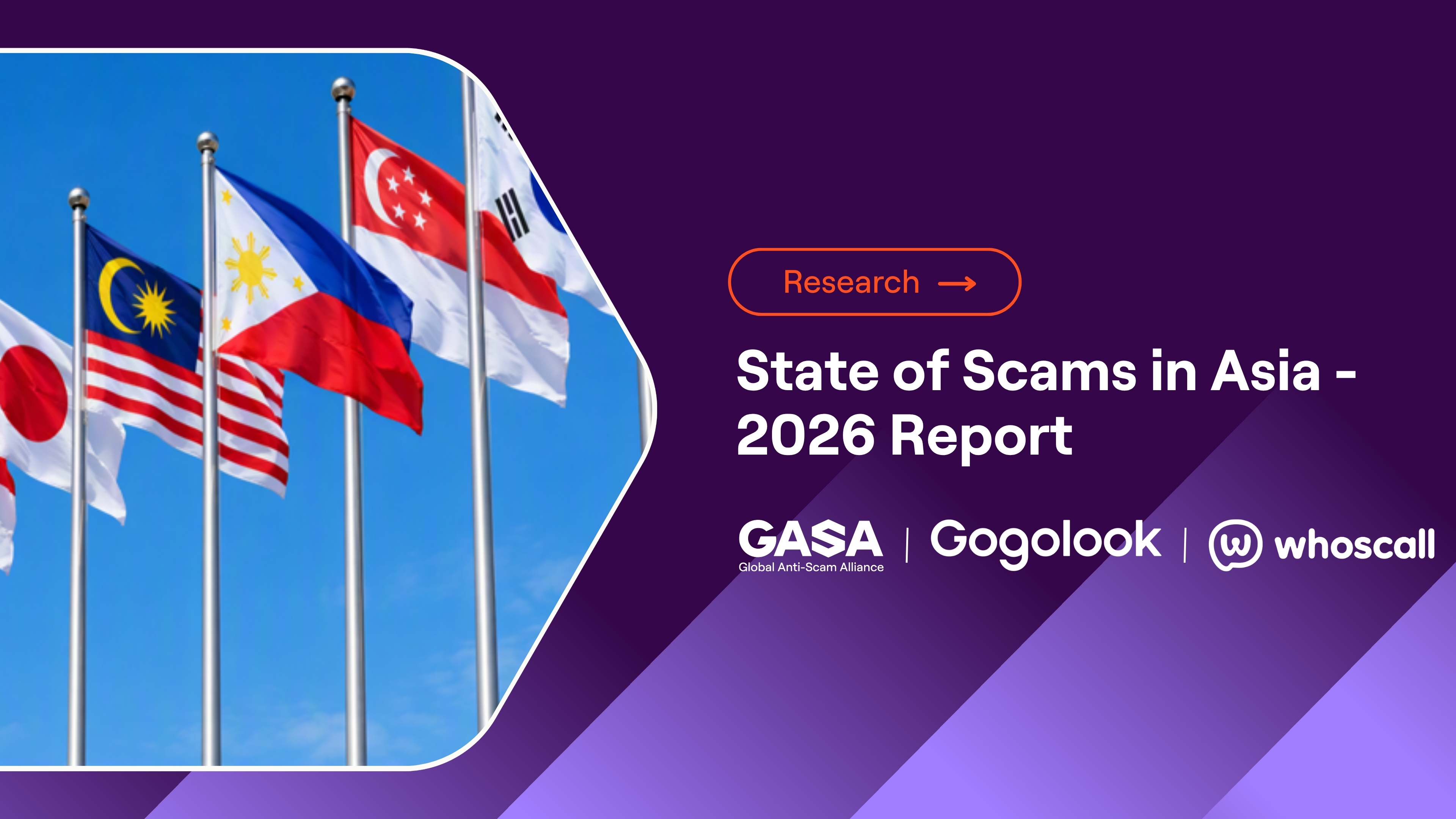
71% of Adults Surveyed Across 13 Asian Markets Encountered Scams, with Estimated Losses of US$136.5 Billion
This study of 17,460 adults across 13 Asian markets shows that scam exposure is widespread, with 71% of participants encountering a scam in the past year. While 66% say they are confident in recognizing scams, 62% of those exposed went on to interact with a scammer. Ultimately, 9% lost money or personal information that led to financial loss, while only 4% reported a scam to the authorities. The findings highlight a significant gap between perceived scam awareness and real-world resilience.
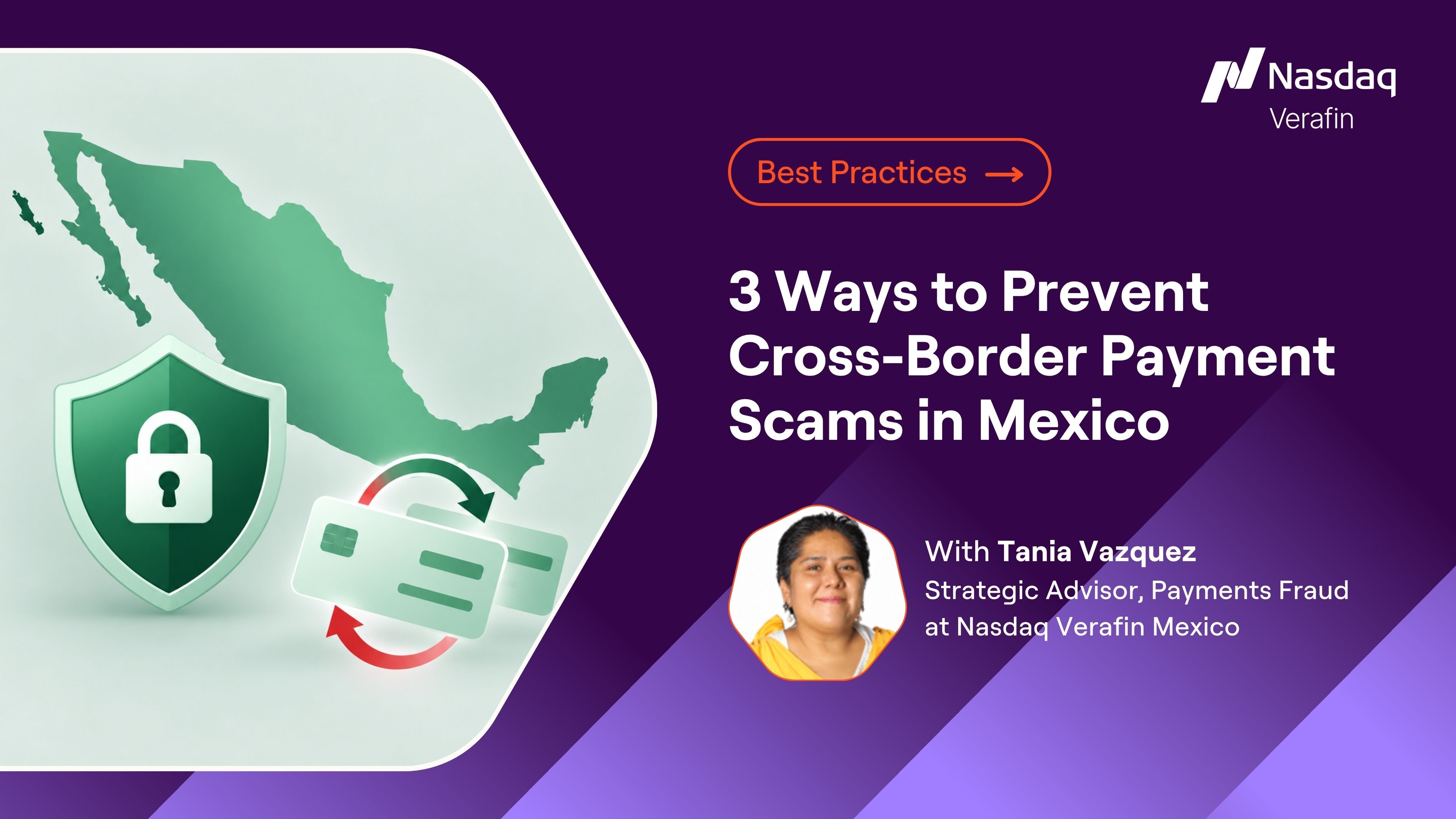
3 Ways to Prevent Cross-Border Payment Scams in Mexico
Learn three ways financial institutions can prevent cross-border payment scams in Mexico through intelligence sharing, payee transparency and real-time analysis.

Accra Trust & Safety Workshop Turns Collaboration into Action Against Scams and Fraud in West Africa
GASA Africa Chapter and Google South Africa brought anti-fraud leaders together to strengthen cross-border cooperation and scam prevention.
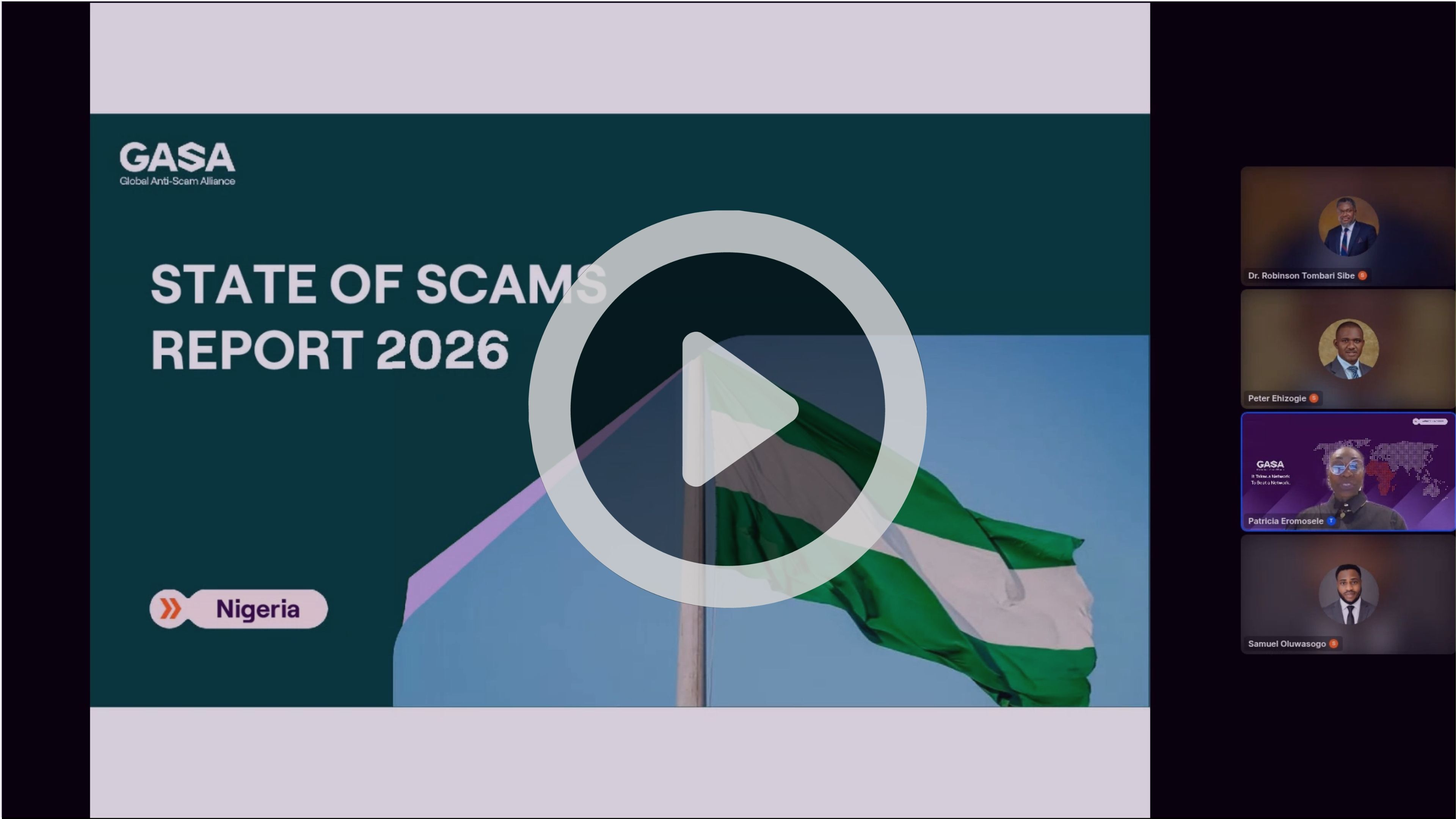
State of Scams in Nigeria 2026: A Comparative Review Across Africa
Nigerian experts examine scam trends, technology, consumer protection and the need for stronger cross-sector collaboration.
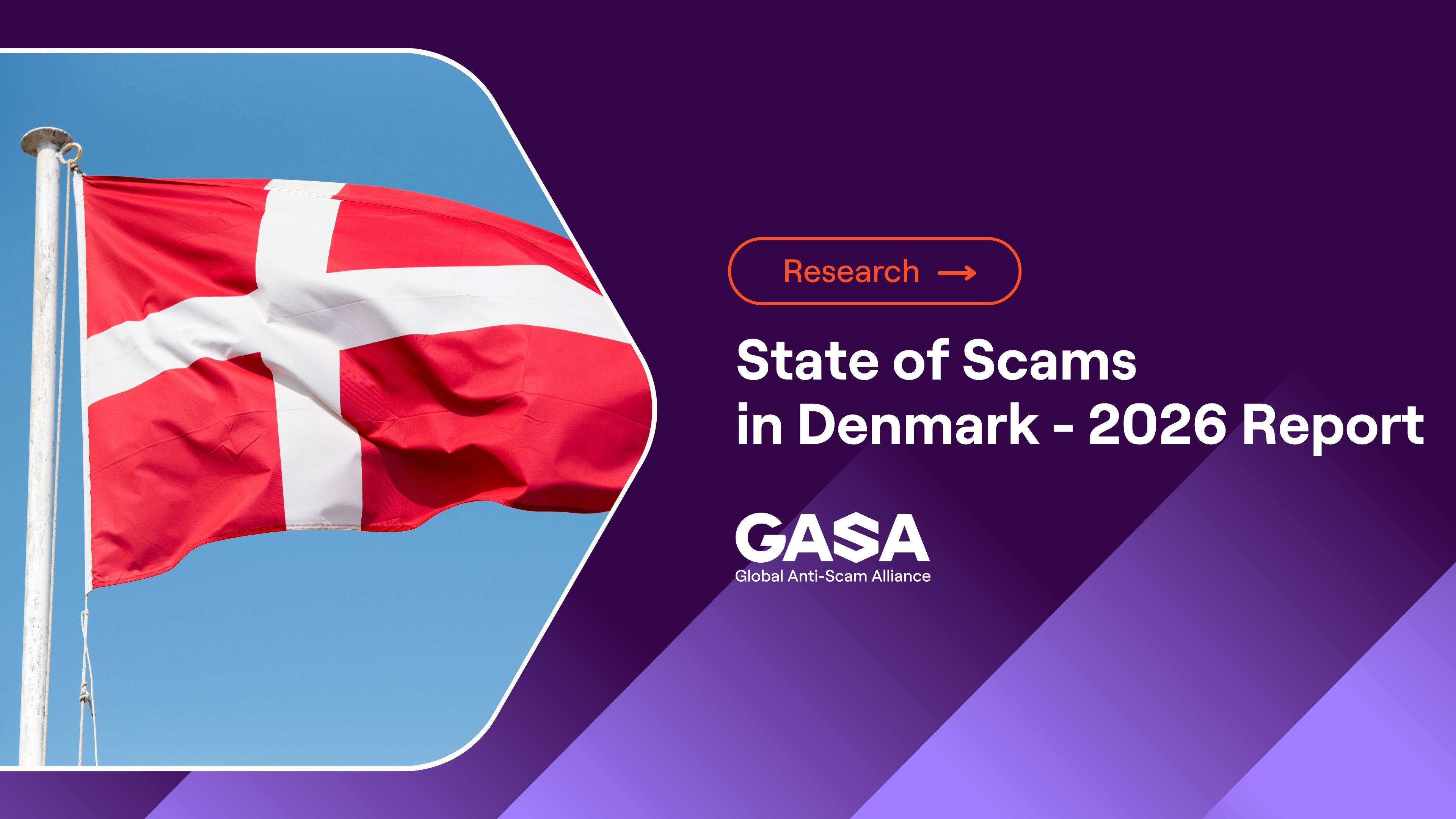
Nearly three in four Danish adults encountered scams as estimated losses reach DKK 10.1 billion
New State of Scams Denmark 2026 report finds scam exposure is rising, while victims face repeated financial and emotional harm.
Building a More Trusted Digital Philippines: New Report Underscores the Need for Collective Action as Scam Exposure Continues to Rise
GASA’s State of Scams in the Philippines 2026 Report, in collaboration with Mastercard and Gogolook, highlights the growing scale of the scam challenge in the Philippines.
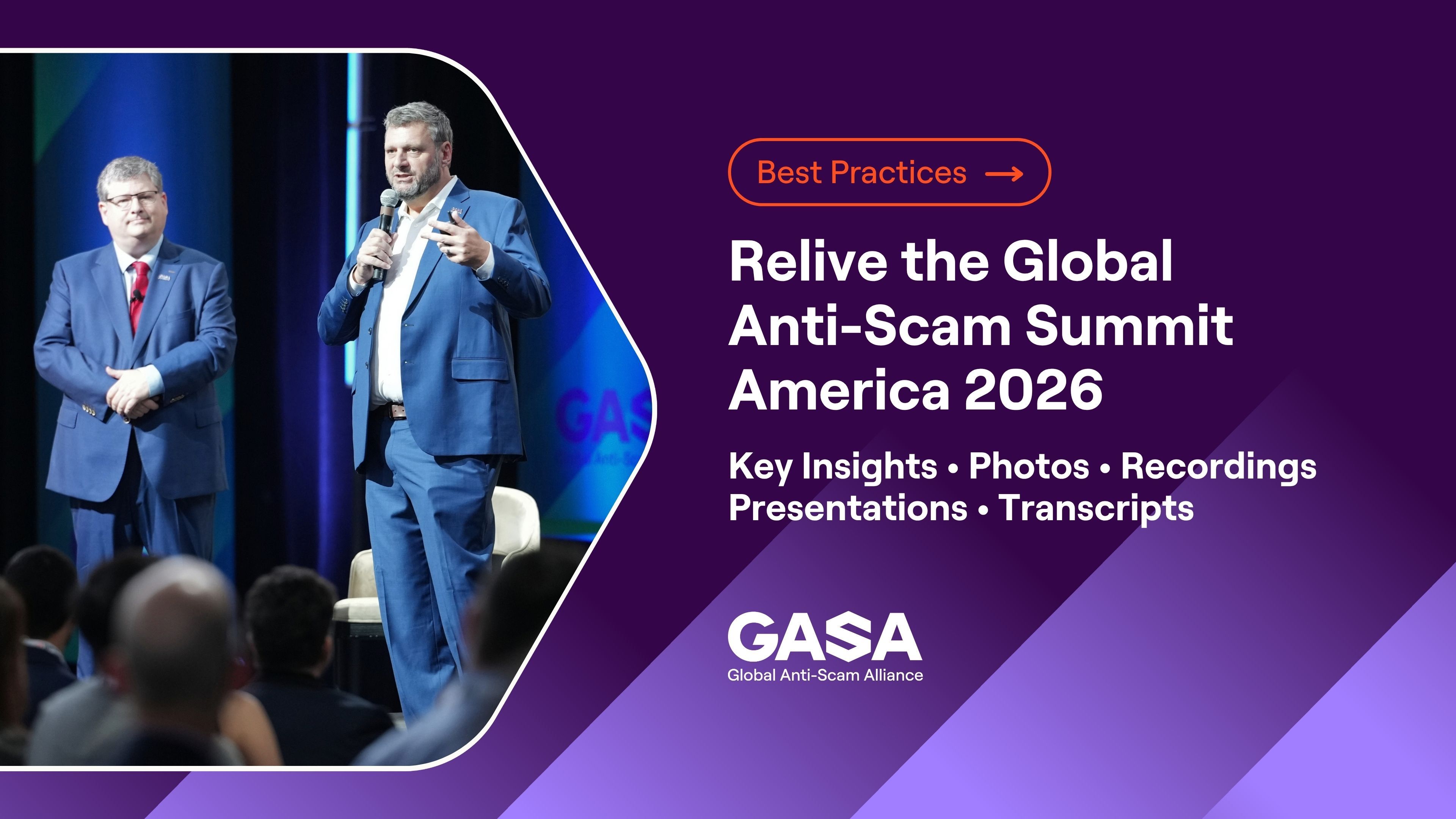
Global Anti-Scam Summit America 2026: Highlights, Insights and Resources
Explore GASS America 2026 highlights and insights, with the Summit summary, photos, presentation slides, transcripts and session recordings from San Francisco.
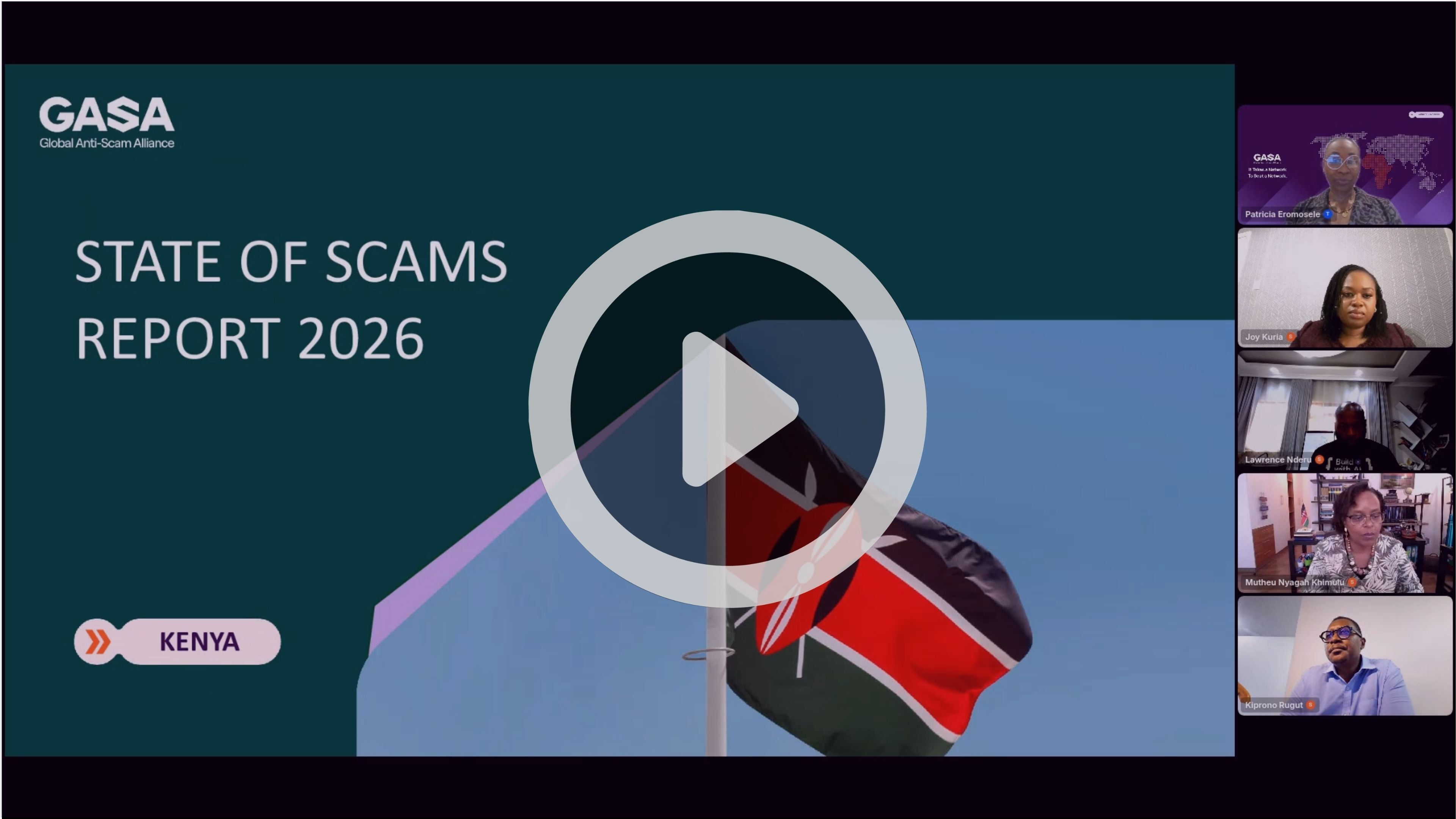
State of Scams in Kenya 2026: A Comparative Review Across Africa
Kenyan experts examine scam trends, data sharing, digital trust and the need for stronger cross-sector prevention.