
Date of Event: 26–27 March 2025
Event: Global Anti-Scam Summit London 2025
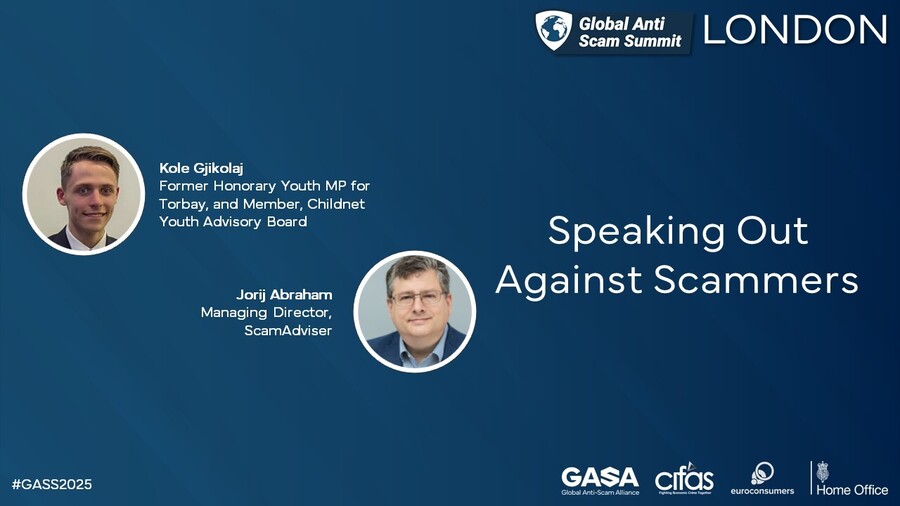
This powerful opening session of the Global Anti-Scam Summit London 2025 gave the stage to those directly impacted by scams, reinforcing the summit’s commitment to centring victims in the global conversation.
Kole Gjikolaj, an 18-year-old member of the Childnet Youth Advisory Board and former Honorary Youth MP for Torbay, shared a compelling youth perspective on the dangers of online fraud. From impersonation scams to social engineering in games, Kole detailed how young people are exposed—and how existing platforms and support systems often fall short. He called for clearer reporting tools, inclusive policymaking, and stronger protection mechanisms that don’t place the burden solely on young users.
Jorij Abraham, Managing Director of ScamAdviser, followed with a harrowing personal account of a targeted extortion attempt. After receiving a manipulated data file and demands for a crypto ransom, Jorij and his team took ScamAdviser offline as a precaution and initiated a full investigation. He highlighted the importance of incident response frameworks, transparency with users, and law enforcement cooperation—but stressed that real progress requires going after the scammers themselves.
The session set a clear tone for the summit: global collaboration must not only protect victims but pursue justice.
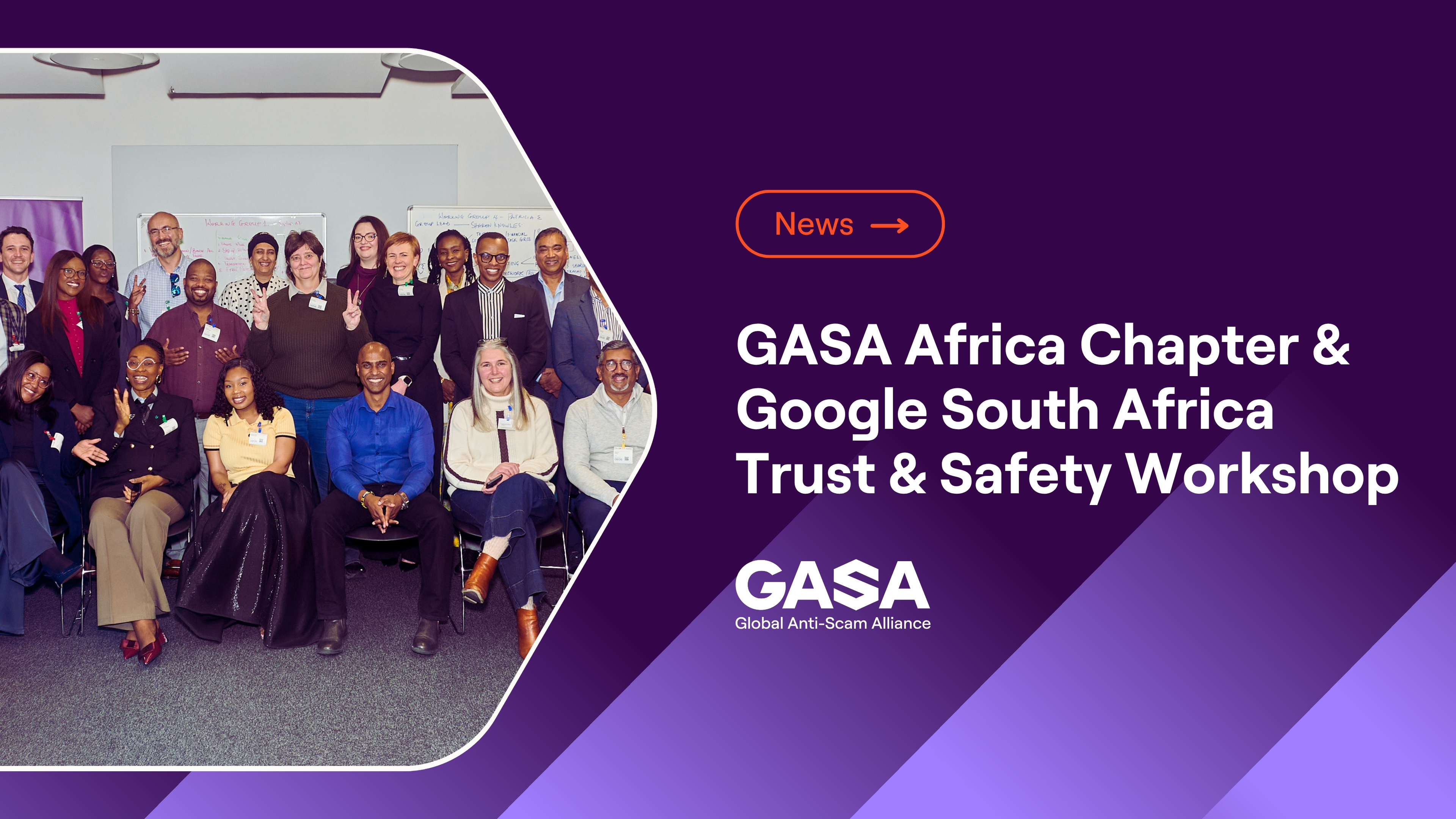
Accra Trust & Safety Workshop Turns Collaboration into Action Against Scams and Fraud in West Africa
GASA Africa Chapter and Google South Africa brought anti-fraud leaders together to strengthen cross-border cooperation and scam prevention.
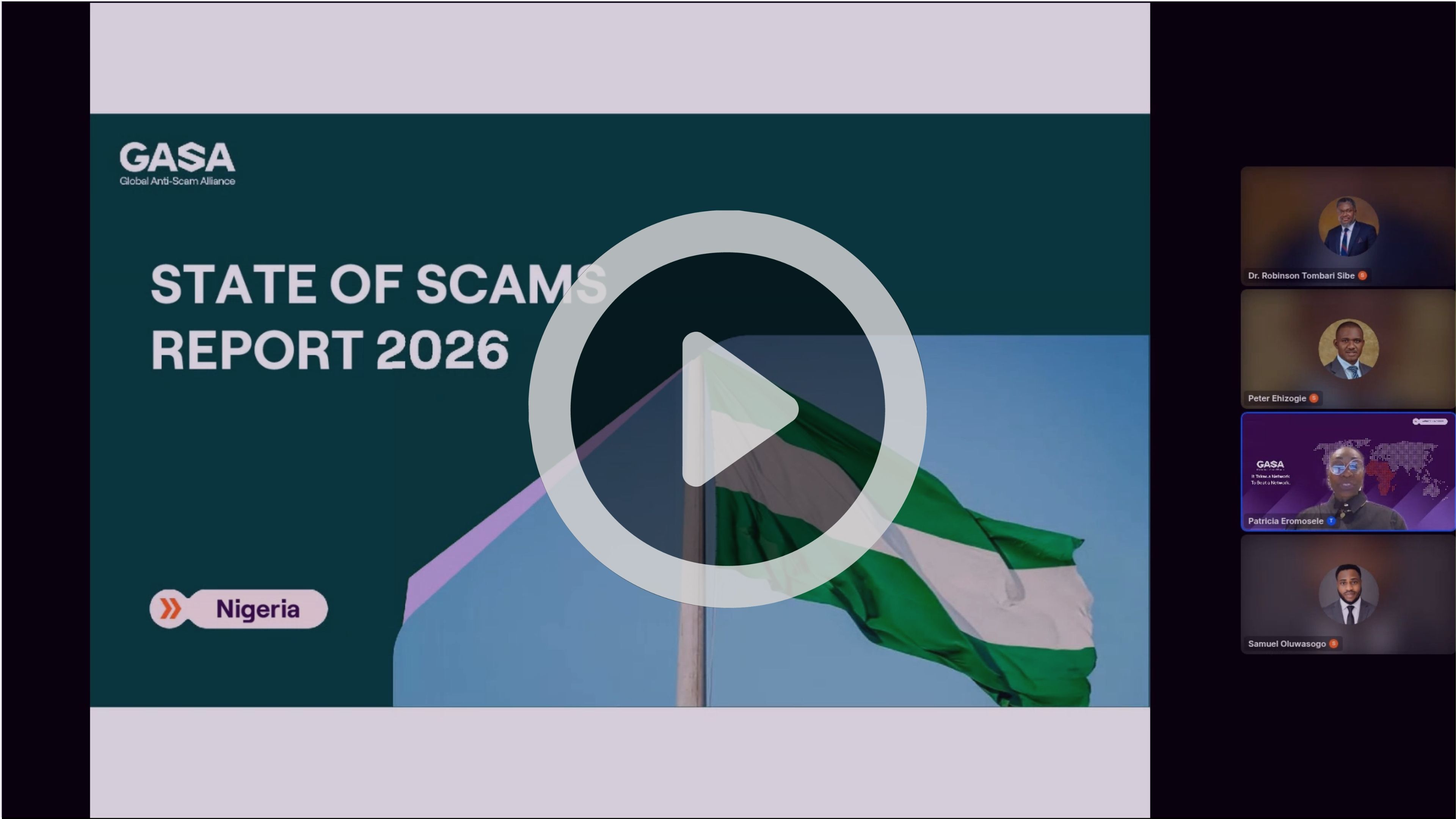
State of Scams in Nigeria 2026: A Comparative Review Across Africa
Nigerian experts examine scam trends, technology, consumer protection and the need for stronger cross-sector collaboration.
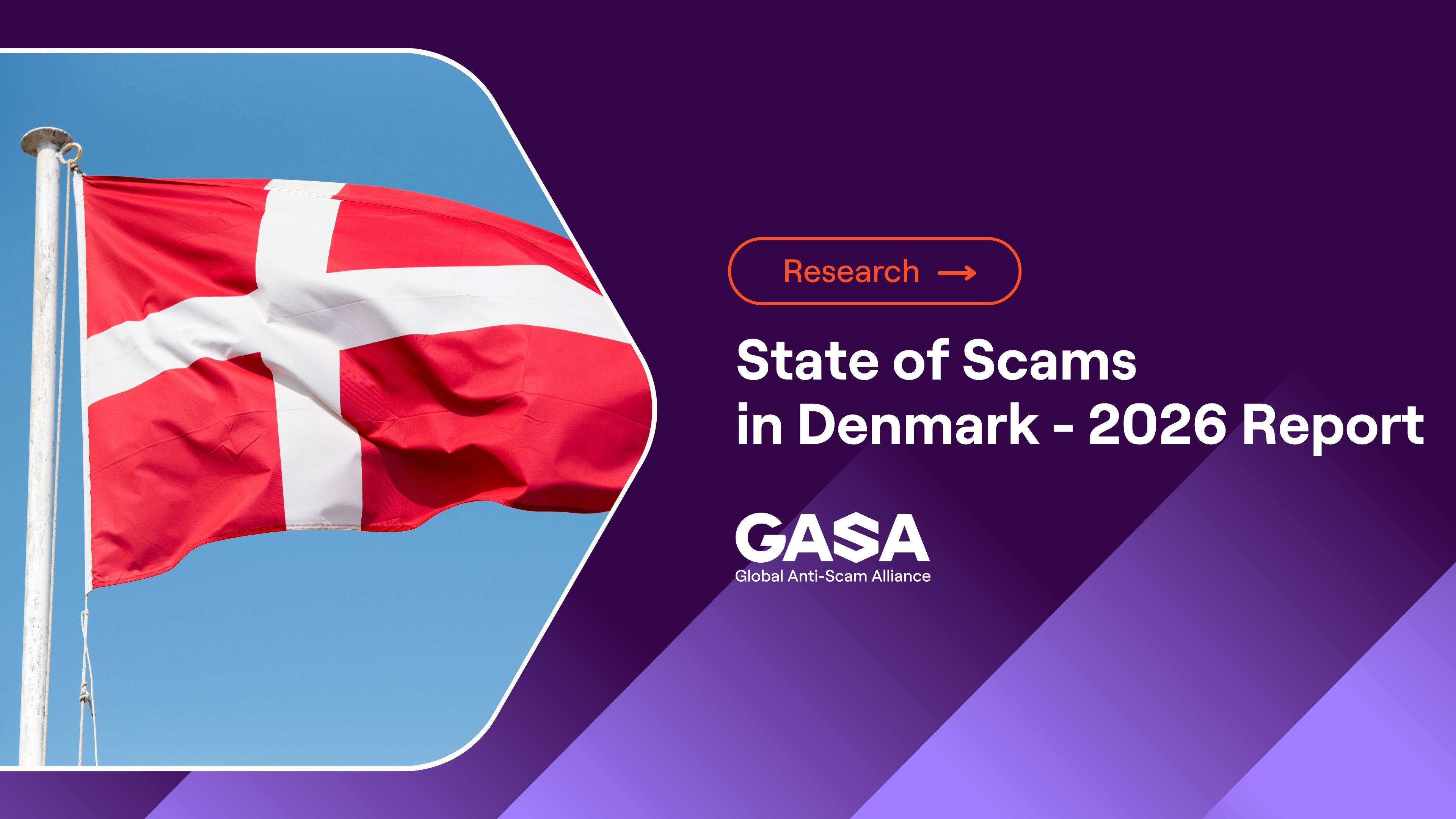
Nearly three in four Danish adults encountered scams as estimated losses reach DKK 10.1 billion
New State of Scams Denmark 2026 report finds scam exposure is rising, while victims face repeated financial and emotional harm.
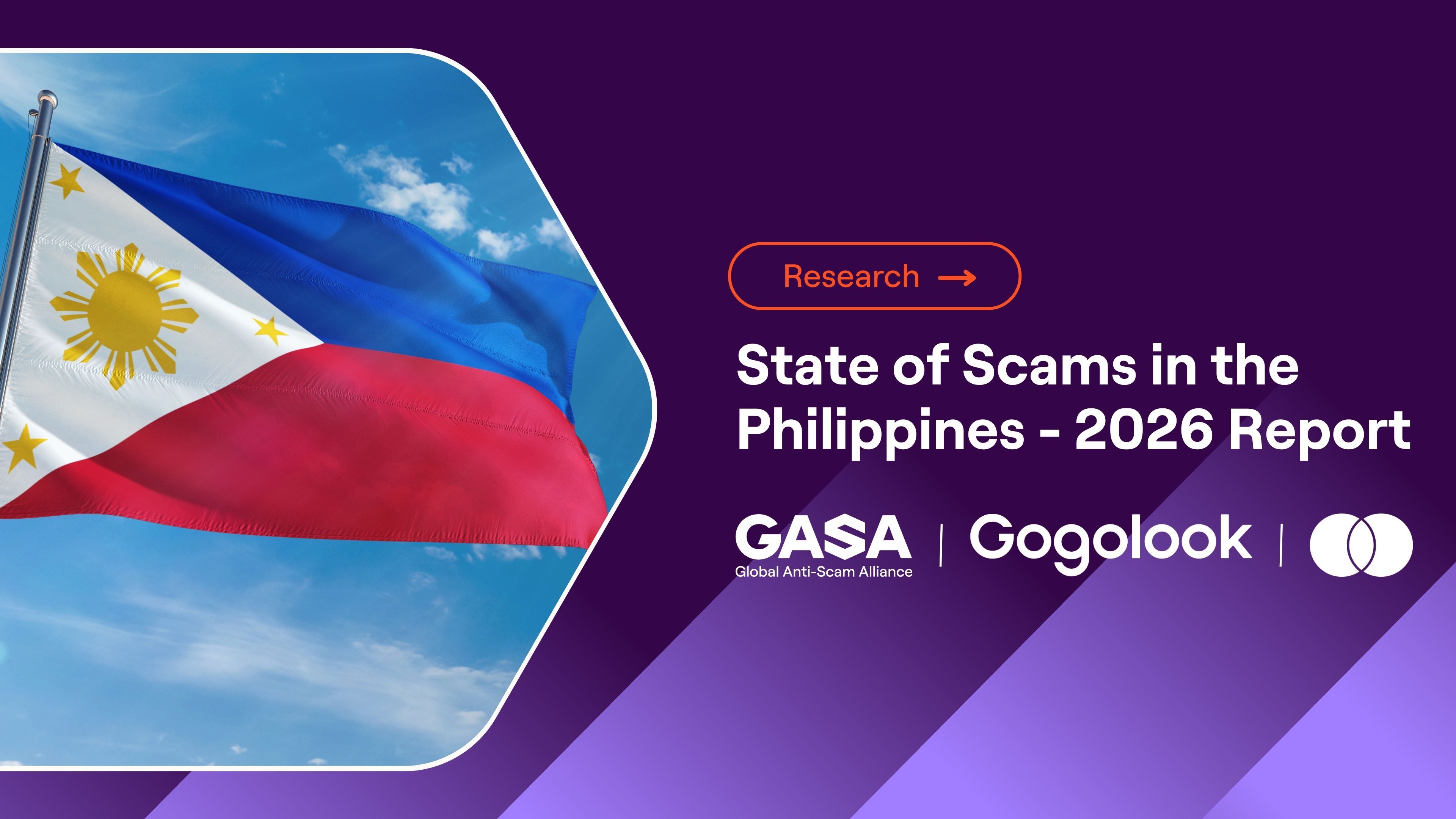
Building a More Trusted Digital Philippines: New Report Underscores the Need for Collective Action as Scam Exposure Continues to Rise
GASA’s State of Scams in the Philippines 2026 Report, in collaboration with Mastercard and Gogolook, highlights the growing scale of the scam challenge in the Philippines.
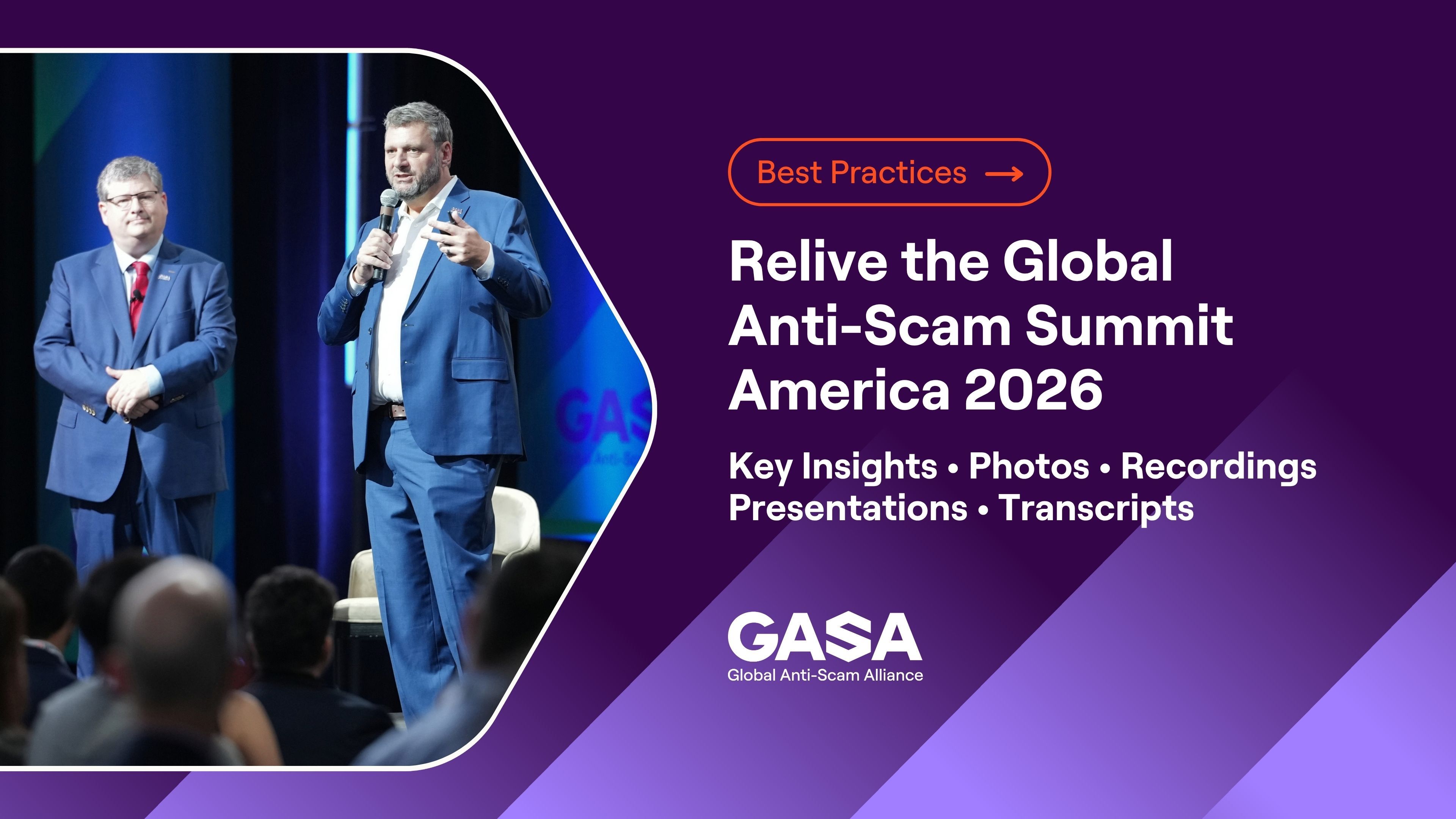
Global Anti-Scam Summit America 2026: Highlights, Insights and Resources
Explore GASS America 2026 highlights and insights, with the Summit summary, photos, presentation slides, transcripts and session recordings from San Francisco.
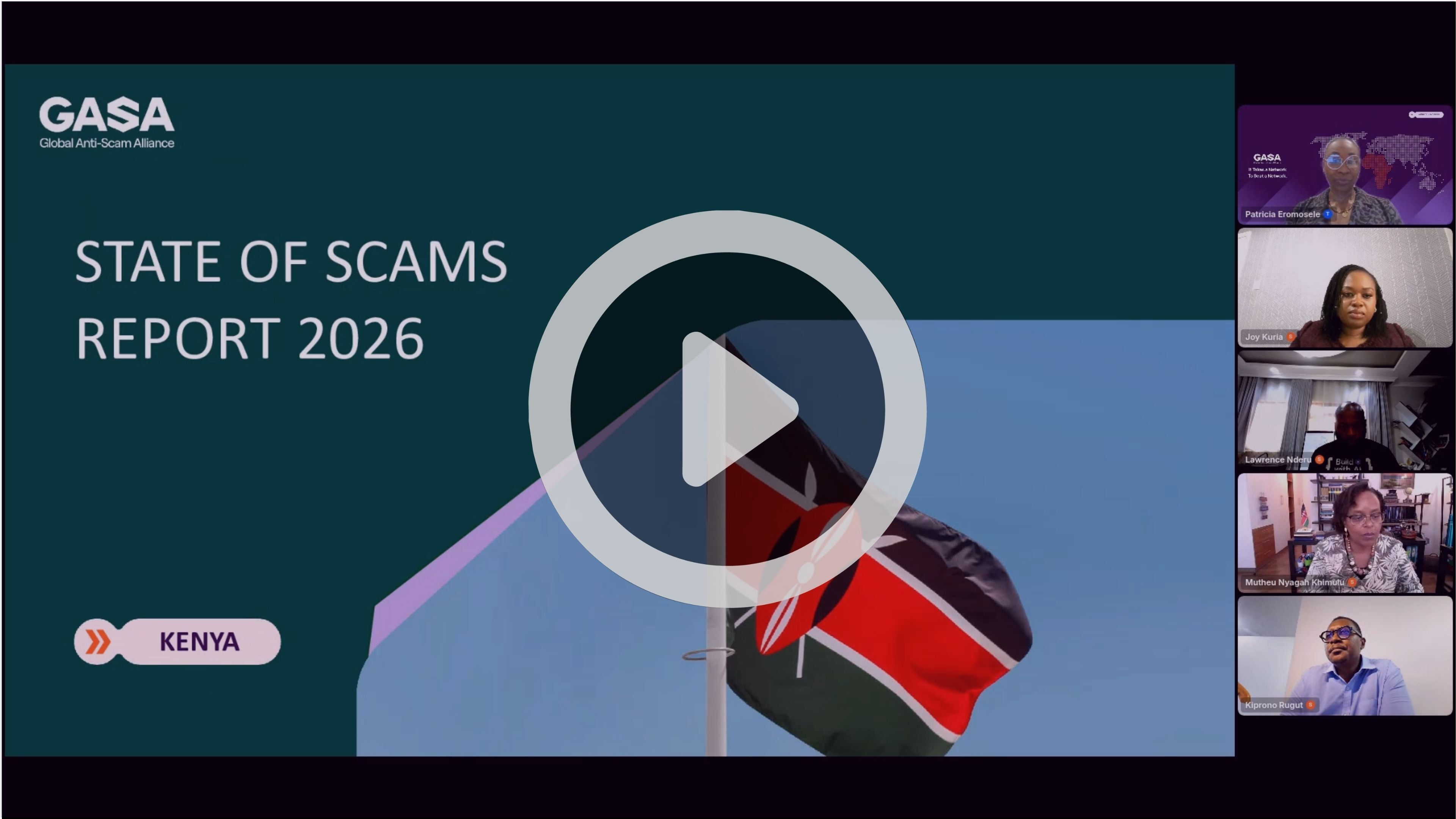
State of Scams in Kenya 2026: A Comparative Review Across Africa
Kenyan experts examine scam trends, data sharing, digital trust and the need for stronger cross-sector prevention.
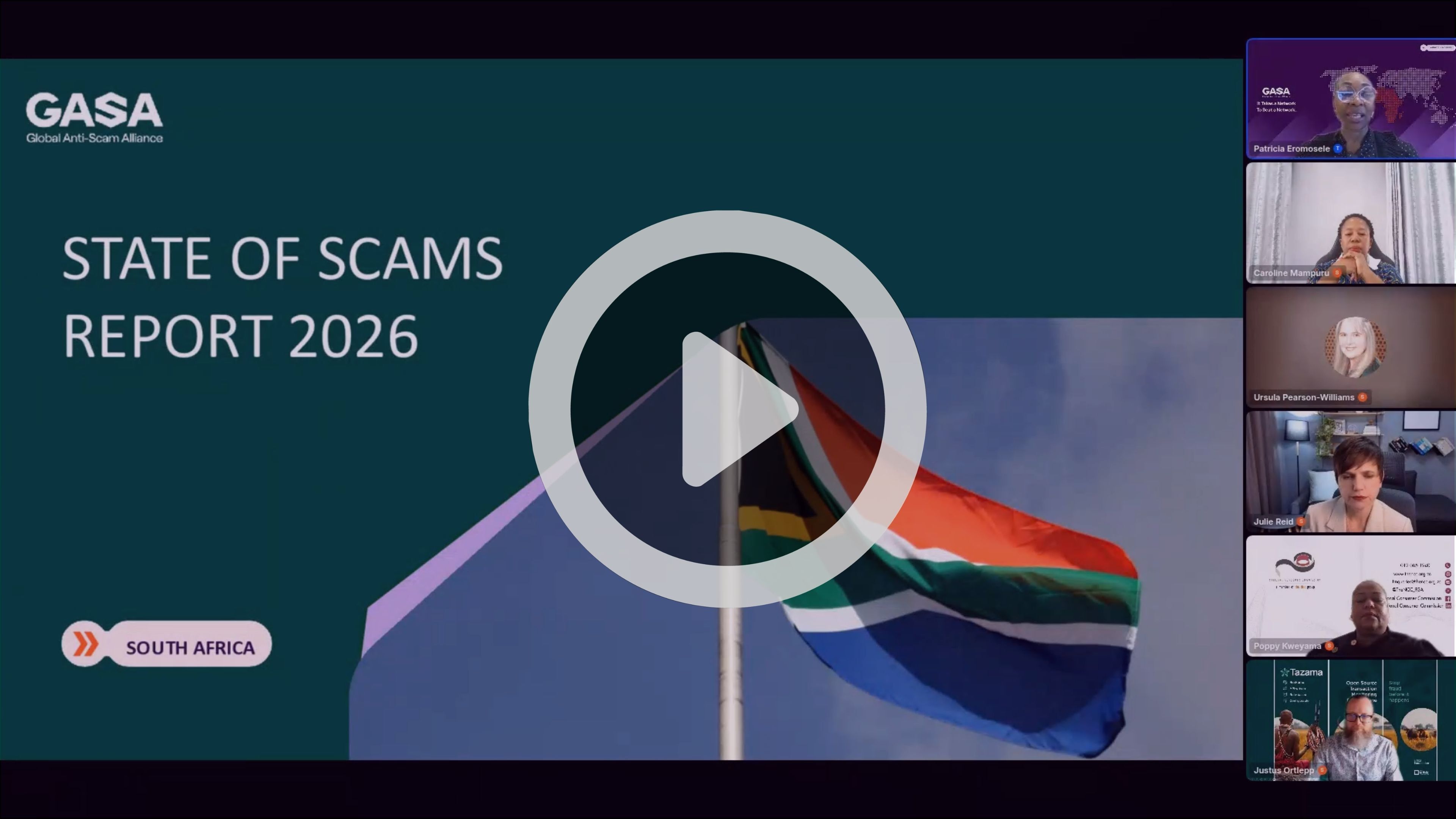
State of Scams in South Africa 2026: A Comparative Review Across Africa
South African experts examine scam trends, AI, consumer protection and the need for stronger cross-sector collaboration.
-3.jpg)
More than one in five adults in Japan encountered scams in the past year
New State of Scams Japan 2026 report examines how scams are reaching consumers and where stronger prevention and collaboration can make a difference