
Summarizing the Findings of Identifying Best Practices in Detection & Intervention - Global Anti-Scam Summit Europe 2024
Date of Event: 2024-06-24
Event: Global Anti-Scam Summit Europe 2024
The workshop began with a discussion about the "Phishing Shield" from Belgium, a notable identity control system for websites. They also highlighted ING's "Check Your Call" app, which helps users verify the authenticity of calls during the conversation. The group faced challenges defining interventions in the convincing stage but emphasized the importance of awareness campaigns, especially for romance scams. They suggested interventions like sending pop-up messages during financial transfers.
The session noted the need to restrict access to open-source data, like the Chamber of Commerce in the Netherlands, to prevent misuse by criminals. The group stressed the importance of awareness for both businesses and consumers to recognize scam tactics. They concluded that a multi-layered approach to fraud detection and prevention is essential, as no single solution exists. Additionally, they highlighted Revolut's initiative to ask extra questions for large transfers and show educational content on scams.
Robert emphasized that preparation in fraud involves making fraudulent websites appear convincing. He mentioned Singapore's investment firm register, which verifies firms' legitimacy and blocks unauthorized communications. Robert advocated for contextualized warnings based on payment context to better alert consumers and suggested sharing effective anti-fraud practices globally.
The group also recommended profiling repeat victims and sharing this information among banks to prevent further fraud. They highlighted the issue of insiders leaking information from within organizations. The group suggested using AI to monitor devices locally for scam activity and identifying remote access activities and behavioral changes to prevent scams. They stressed the importance of contextual awareness in payments, including user behavior and liability warnings.
An additional point was the proposal of a 24/7 hotline for consumers to verify the legitimacy of communications and transactions. They also suggested building risk profiles and using extra verification steps based on risk indicators.
In the final discussion, the focus was on secure-by-design practices and robust responses to data leaks. They discussed the creation of white lists of verified advertisers and enhancing collaboration with online advertisers to prevent scam ads. The need for corporate responsibility in preventing scams and the importance of proper onboarding and digital identity verification was emphasized. They mentioned potential measures like blocking clickable links in SMS to reduce phishing attempts.
The session concluded with a discussion on the need for a faster recall process in banking, allowing customers to instantly block fraudulent payments and improving overall fraud prevention. The consensus was that sharing knowledge and experiences is crucial for developing effective anti-scam strategies.
Latest blogs & research
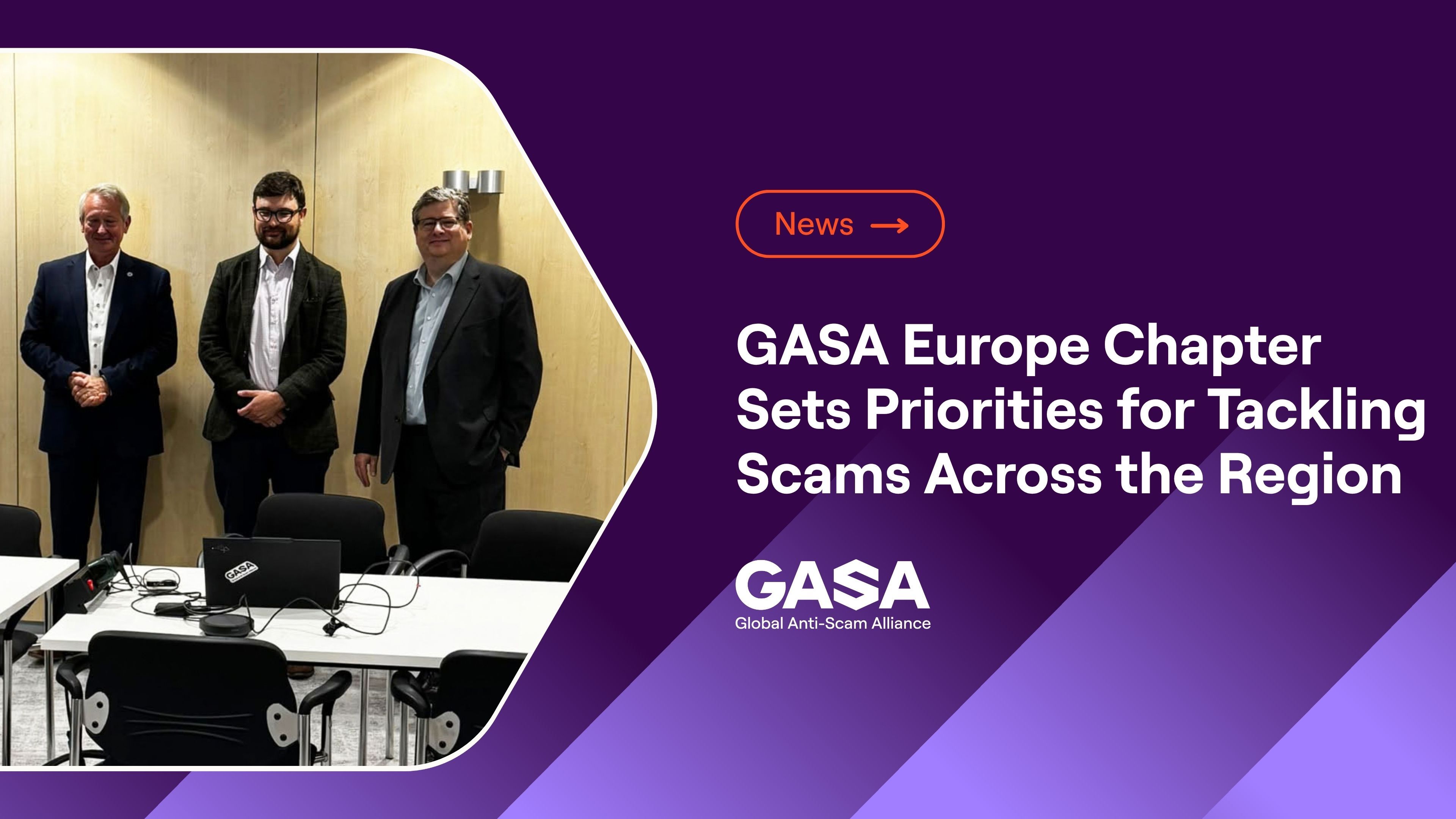
GASA Brings Stakeholders Together in Brussels for First Europe Chapter Meeting
GASA Europe brings 50+ stakeholders together in Brussels to discuss scam trends, data sharing and cross-sector priorities.
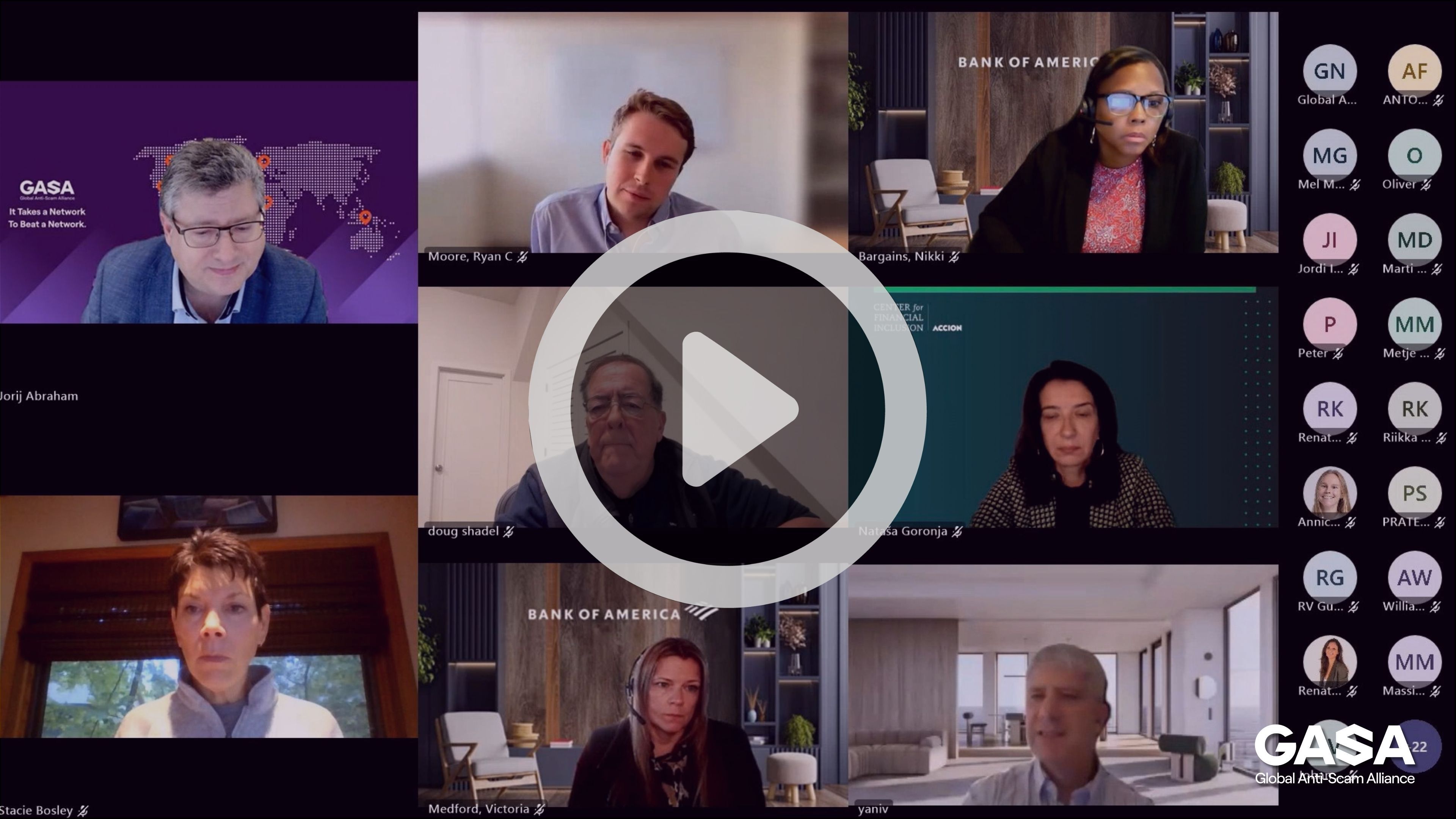
Research Working Group Meeting: Fraudulent Tickets and Robocall Scam Tactics
Research presented to GASA examines consumers’ ability to spot fraudulent tickets and tactics found across 4.49 million scam and spam robocalls.
Fighting Fraud Without Borders: Cross-Regional Collaboration in Latin America and Beyond
A roundtable at GASS America examined cross-regional collaboration in Latin America and beyond, focusing on fraud prevention, consumer protection and response.
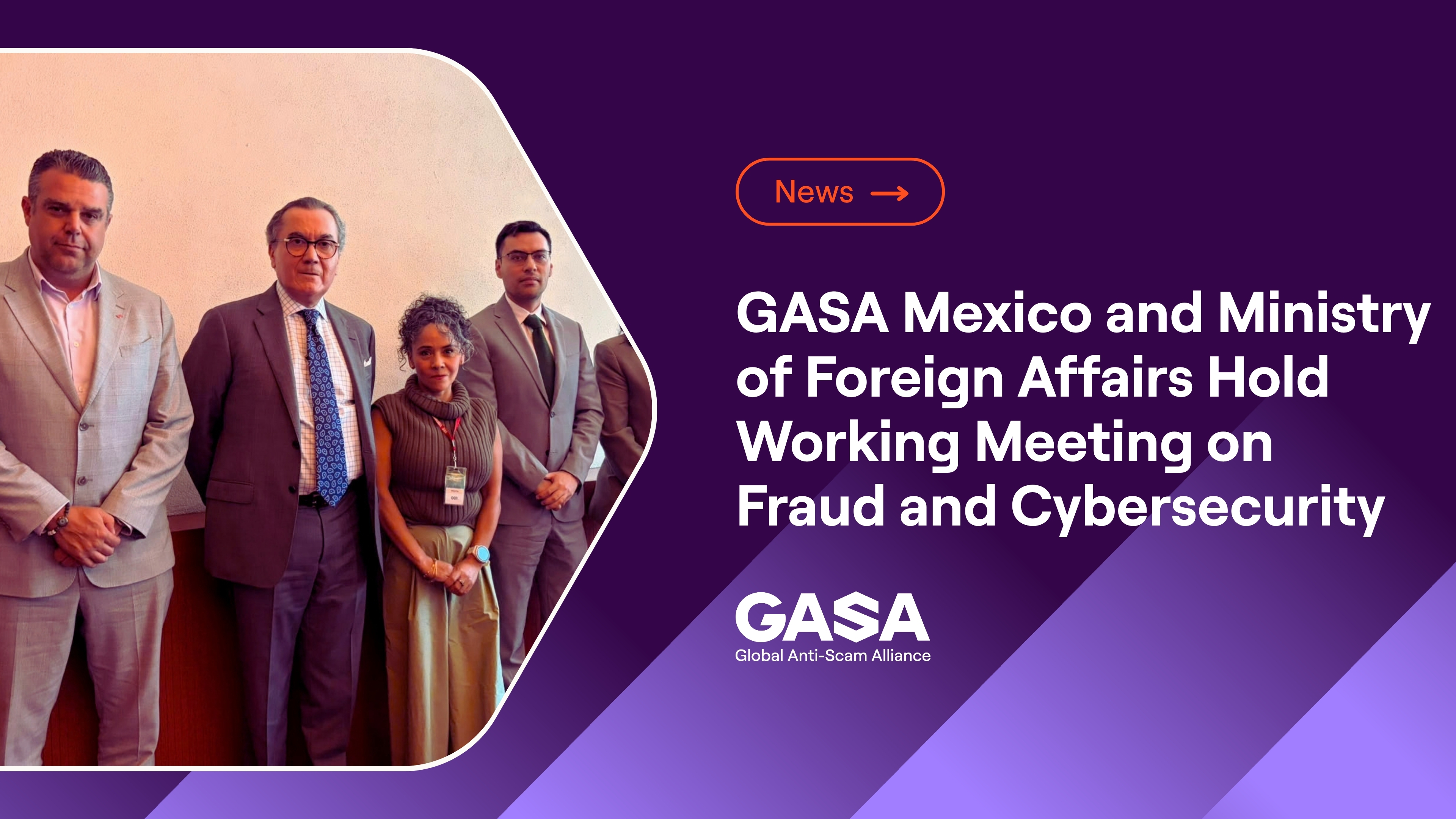
GASA Mexico and the Ministry of Foreign Affairs Hold Working Meeting Ahead of the Chapter’s Annual Forum, “From Coalition to Action”
GASA Mexico and the Ministry of Foreign Affairs convened Mastercard and Scotiabank to discuss fraud, cybersecurity, information sharing and emerging technologies.
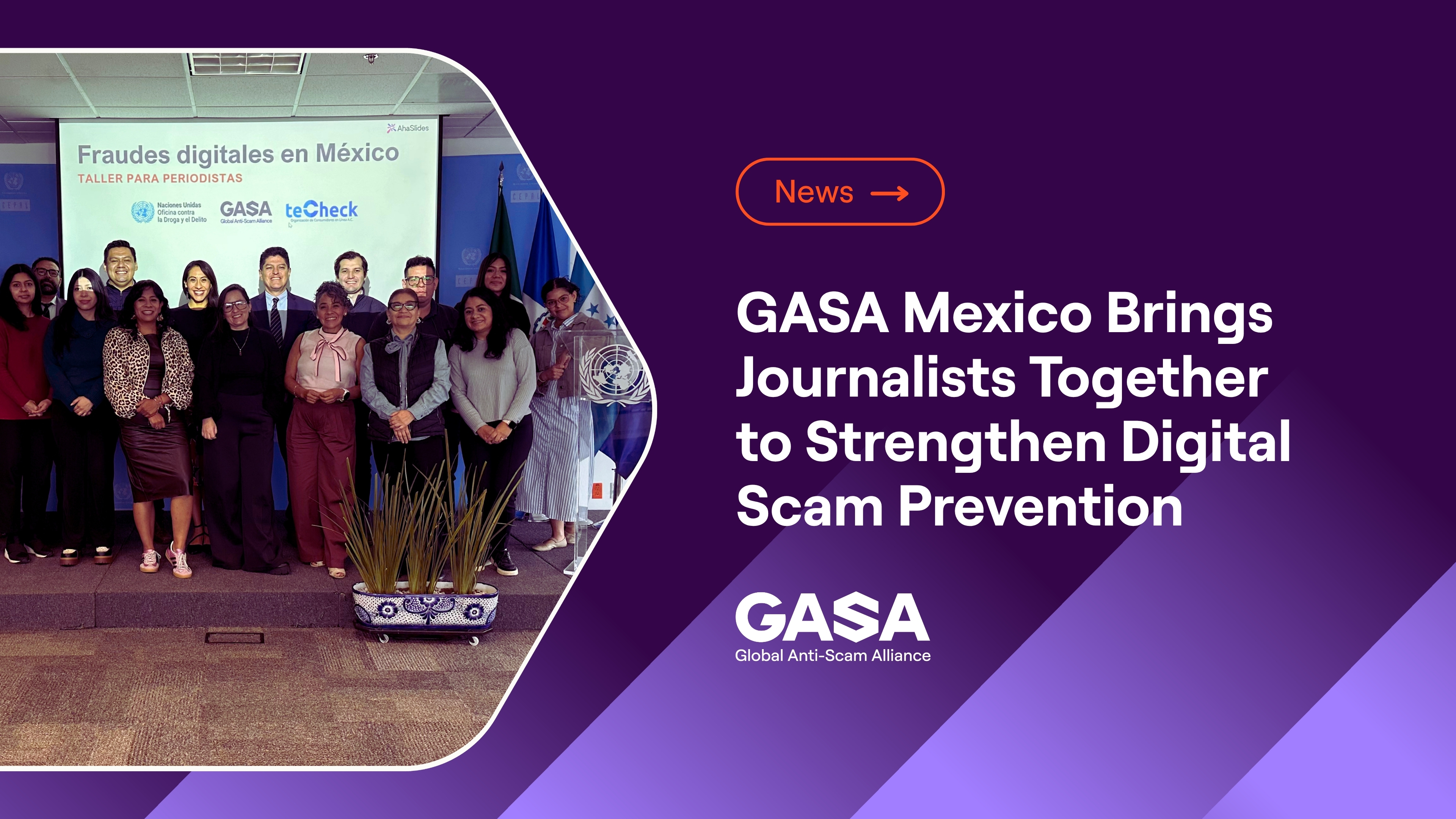
GASA Mexico Workshop Examines the Role of Journalism in Digital Scam Prevention
GASA Mexico brought together journalists and editors to discuss digital scams, victim-centred reporting and the role of media in scam prevention.
Brazil Anti-Scam Forum 2026: Key Takeaways on Strengthening Scam Prevention in Brazil
Key insights from the Brazil Anti-Scam Forum 2026 on scam trends, prevention, intelligence sharing and cross-sector collaboration.
GASA Consumer Education Working Group Develops 5-Step Response Plan for Scam Victims
GASA’s Consumer Education Working Group sets out a five-step response plan that organisations can use and share to support people affected by scams.
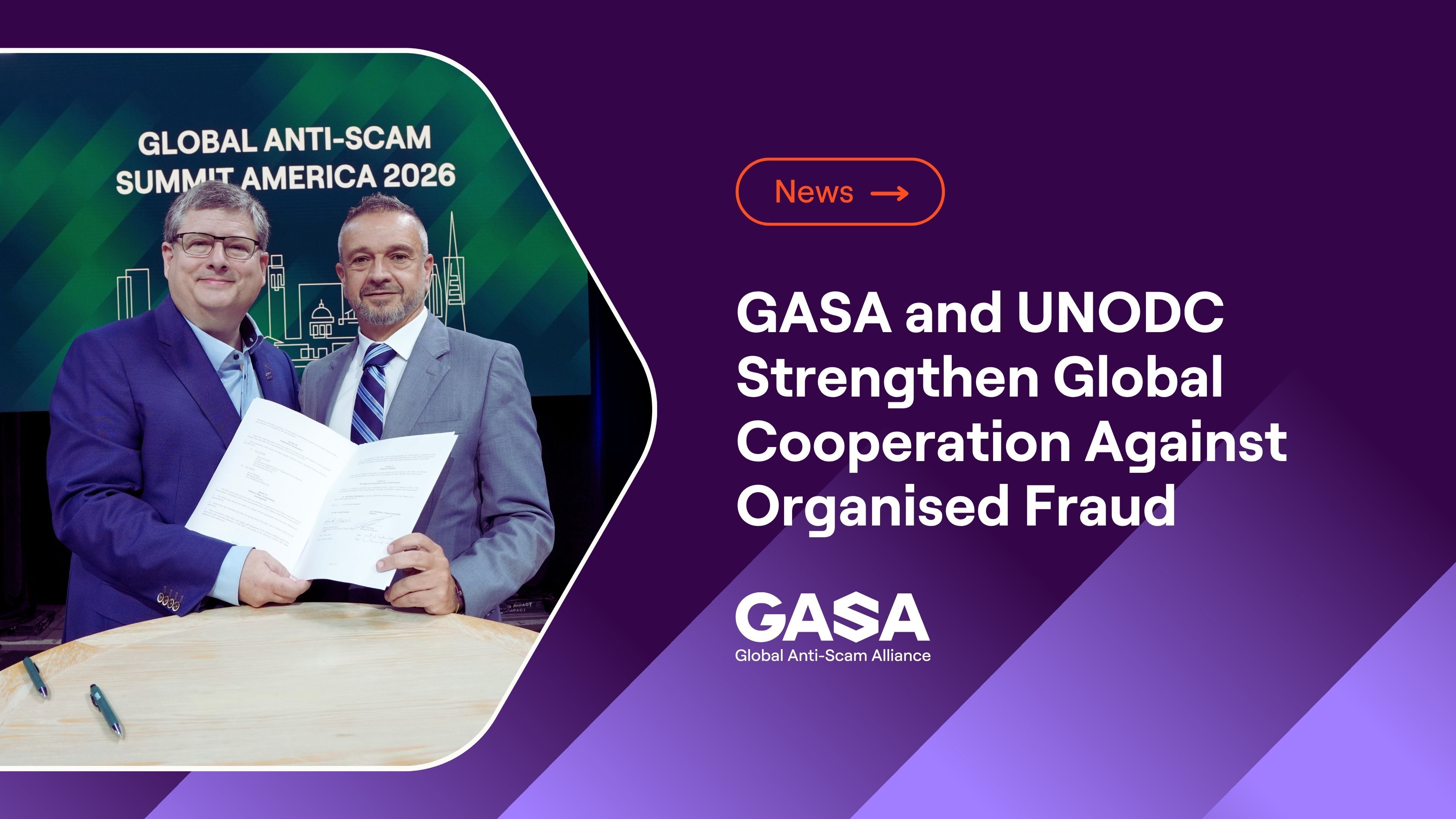
GASA and UNODC Partner to Strengthen Global Response to Organised Fraud
GASA and UNODC sign an MoU to strengthen international cooperation on fraud prevention, research, criminal justice responses and awareness.