
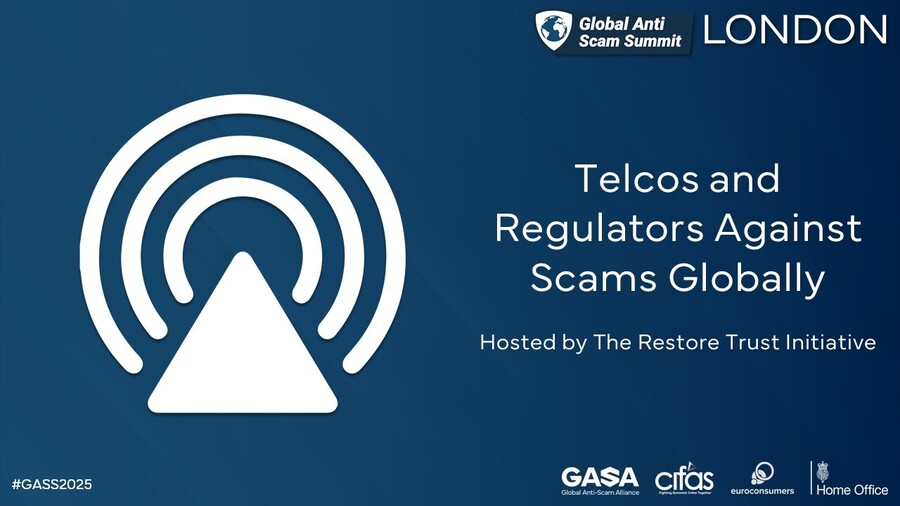
Date of Event: 26–27 March 2025
Event: Global Anti-Scam Summit London 2025
This session brought together telecom operators, national regulators, and global institutions to examine how cross-border fraud threats are being addressed through technical, policy, and cooperative frameworks.
Philippe Millet from the Restore Trust Initiative introduced the current gaps in telecom scam prevention, focusing on international trace-back, number misuse, and the need for global harmonisation. He described efforts to unify industry and regulator action via the One Consortium and GIRAFFE frameworks.
Sami Benakouche of Brazil’s Anatel presented a national success story in tackling spam and scam calls. Measures included identifying high-volume callers, requiring telecom providers to block abuse, and enforcing caller transparency via dedicated numbering ranges.
Eli Katz from Comms Council UK outlined how UK operators are working with regulators to disrupt scams through data sharing and preventative tools like Do Not Originate (DNO) lists. Elizabeth Greenberg from Ofcom detailed broader European coordination efforts via CEPT and emphasized the strategic role of numbering management.
Steve Buck from BTS and GSMA discussed international risks and solutions from the carrier side, including spoofing countermeasures, trusted network controls, and call legitimacy indicators.
Riikka Puttonen of UNODC concluded with a global outlook, calling for harmonised legal frameworks and announcing that the UN and INTERPOL will co-host a Global Fraud Summit in 2026 to formalise international cooperation.
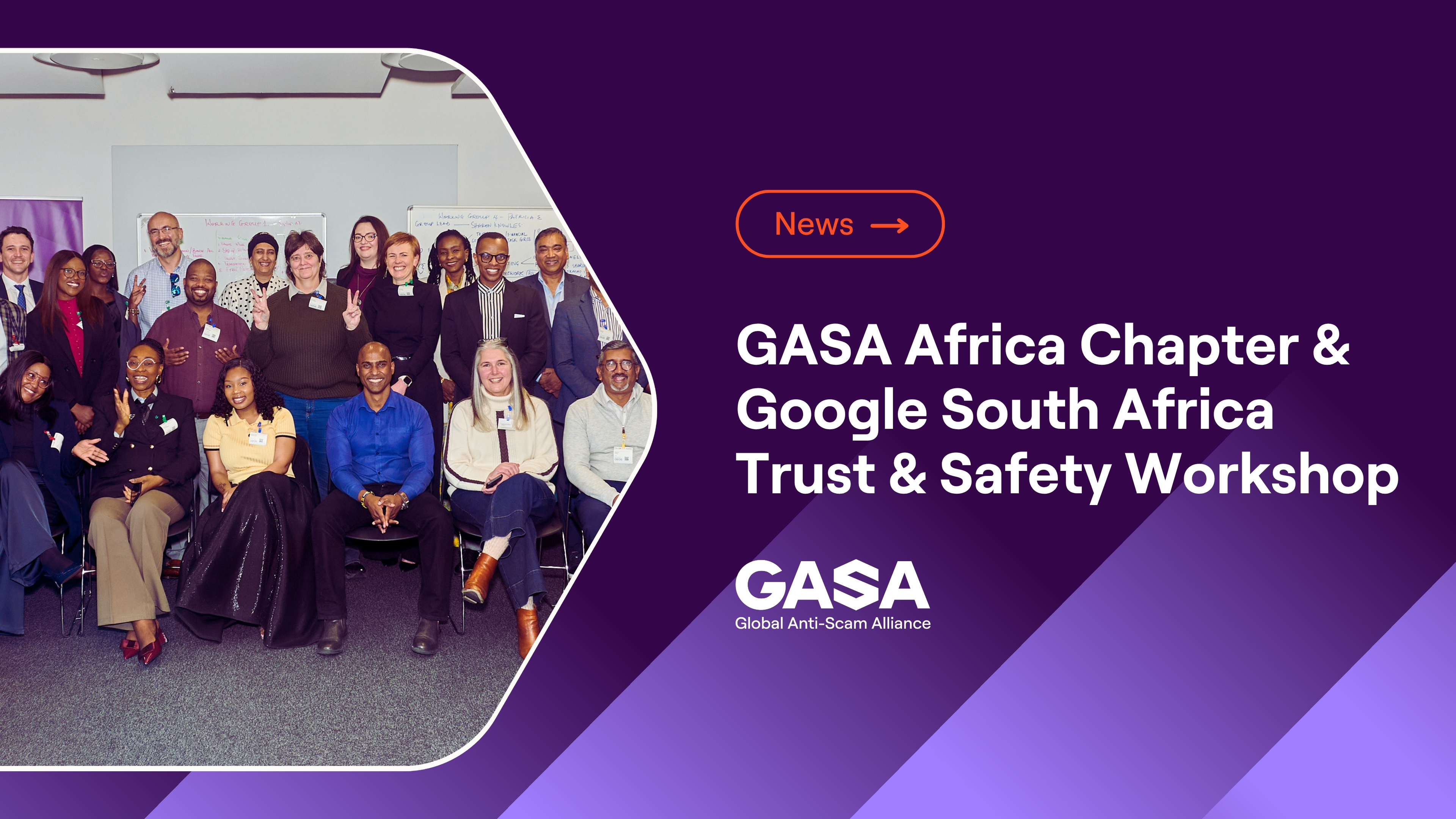
Accra Trust & Safety Workshop Turns Collaboration into Action Against Scams and Fraud in West Africa
GASA Africa Chapter and Google South Africa brought anti-fraud leaders together to strengthen cross-border cooperation and scam prevention.
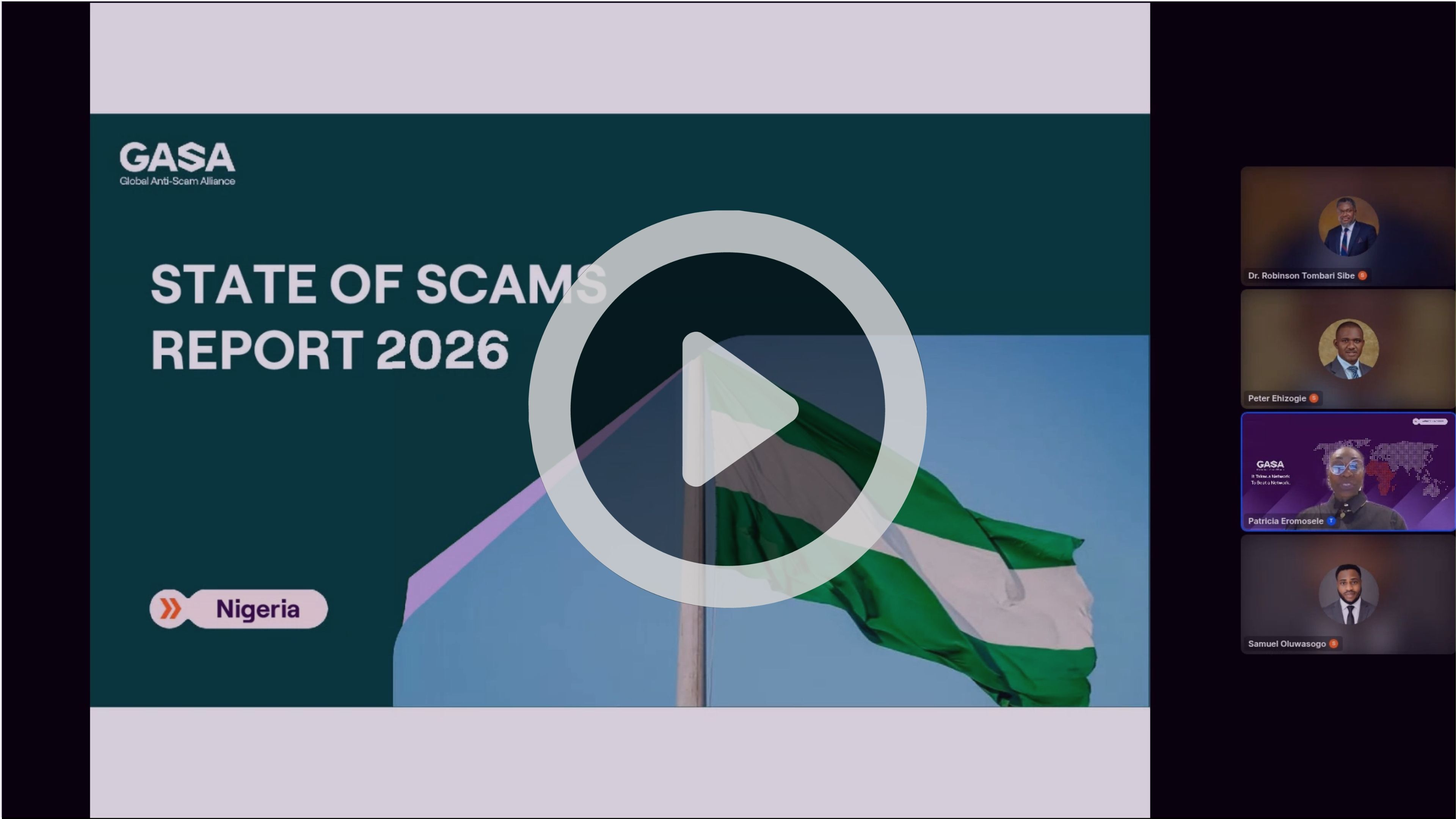
State of Scams in Nigeria 2026: A Comparative Review Across Africa
Nigerian experts examine scam trends, technology, consumer protection and the need for stronger cross-sector collaboration.
Nearly three in four Danish adults encountered scams as estimated losses reach DKK 10.1 billion
New State of Scams Denmark 2026 report finds scam exposure is rising, while victims face repeated financial and emotional harm.
Building a More Trusted Digital Philippines: New Report Underscores the Need for Collective Action as Scam Exposure Continues to Rise
GASA’s State of Scams in the Philippines 2026 Report, in collaboration with Mastercard and Gogolook, highlights the growing scale of the scam challenge in the Philippines.
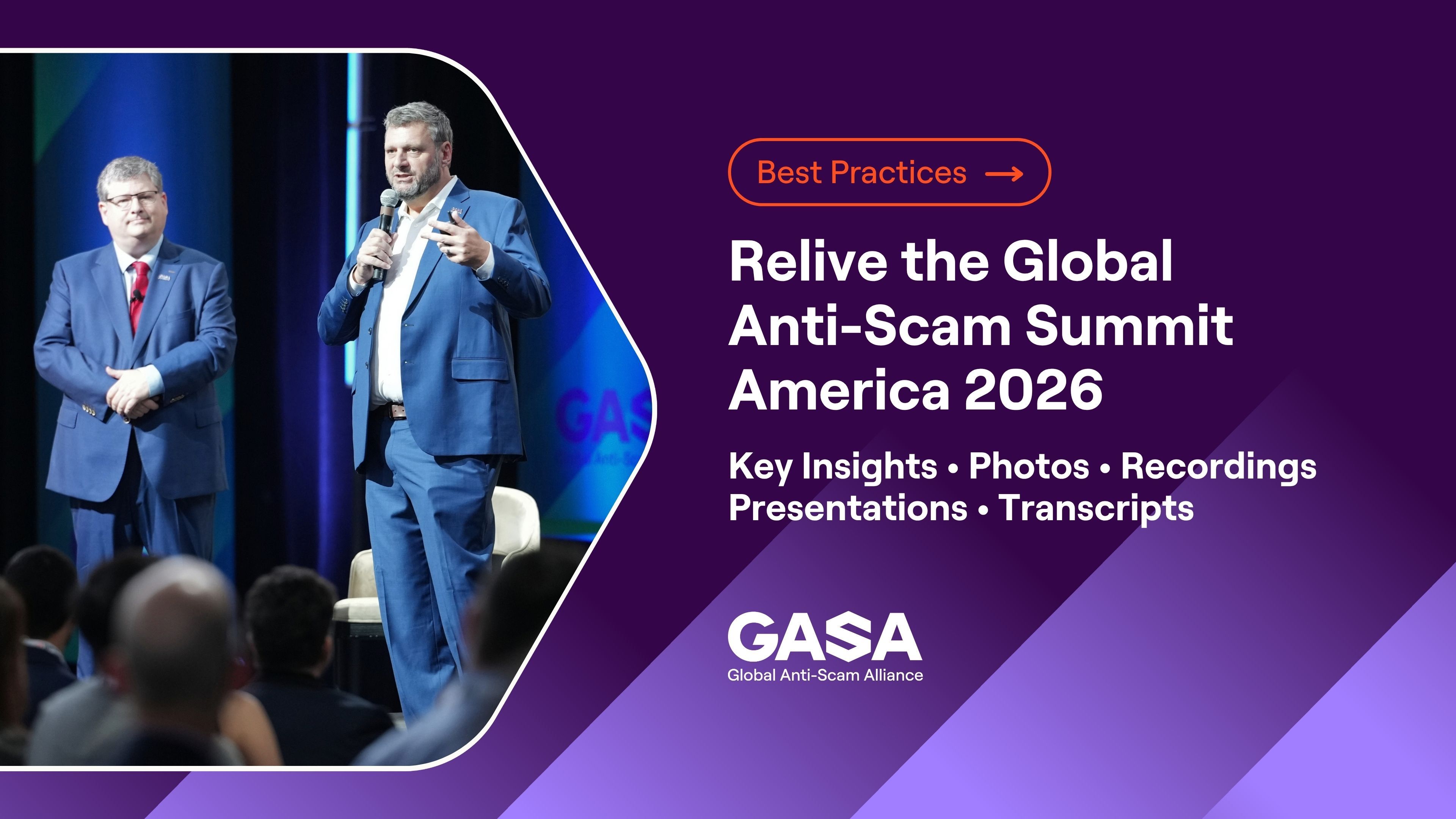
Global Anti-Scam Summit America 2026: Highlights, Insights and Resources
Explore GASS America 2026 highlights and insights, with the Summit summary, photos, presentation slides, transcripts and session recordings from San Francisco.
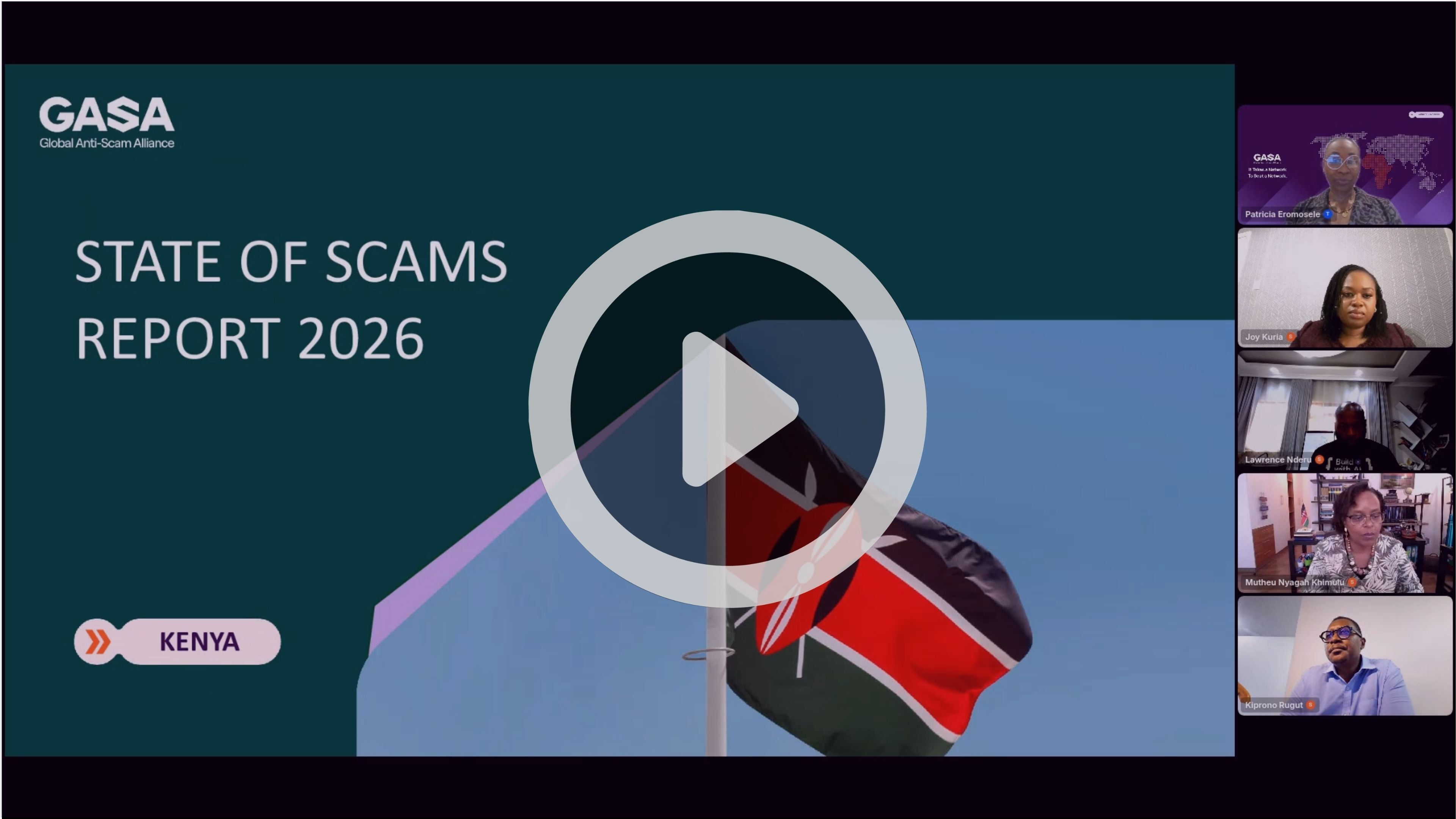
State of Scams in Kenya 2026: A Comparative Review Across Africa
Kenyan experts examine scam trends, data sharing, digital trust and the need for stronger cross-sector prevention.
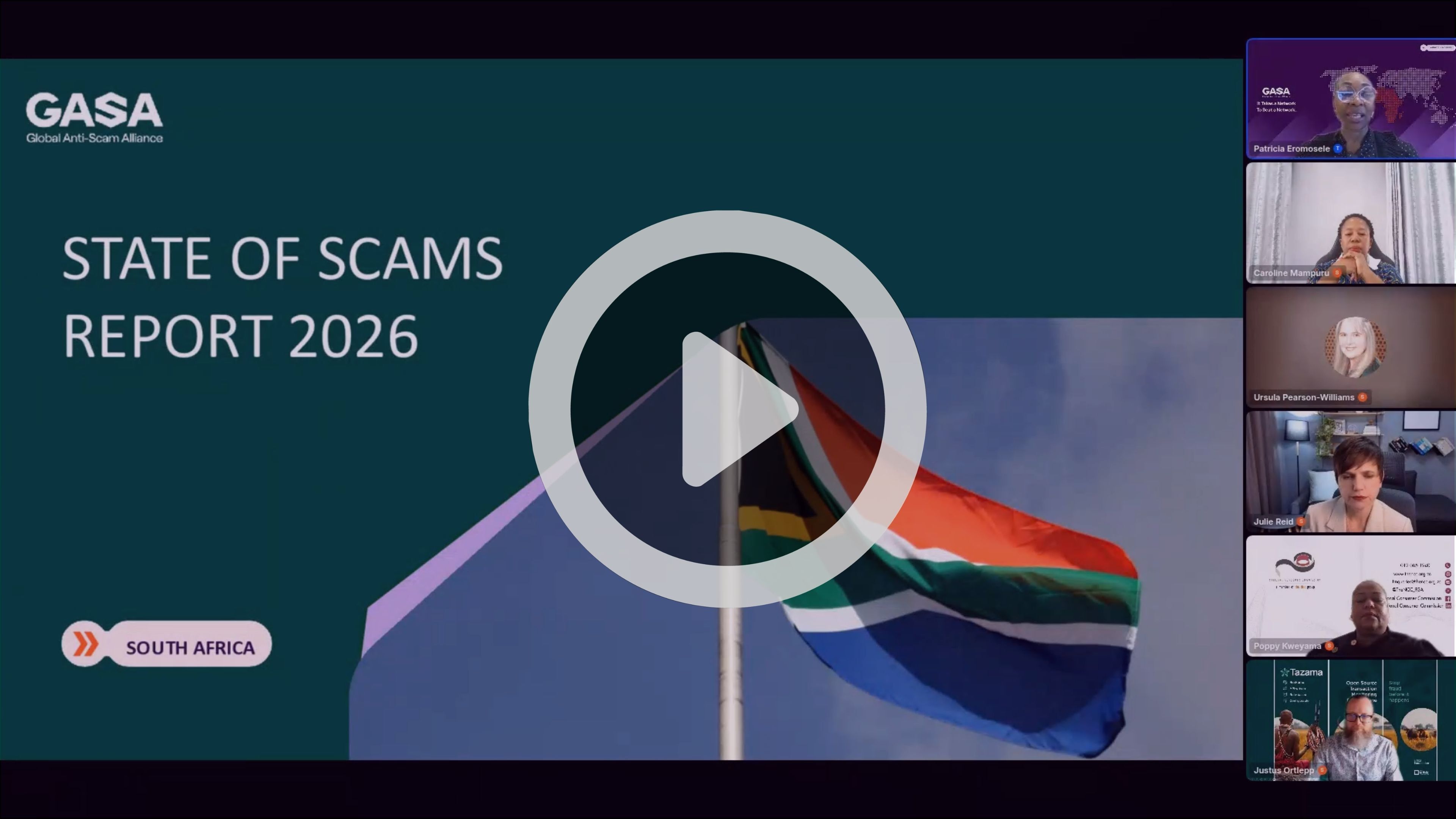
State of Scams in South Africa 2026: A Comparative Review Across Africa
South African experts examine scam trends, AI, consumer protection and the need for stronger cross-sector collaboration.
-3.jpg)
More than one in five adults in Japan encountered scams in the past year
New State of Scams Japan 2026 report examines how scams are reaching consumers and where stronger prevention and collaboration can make a difference