
The Dutch Approach, Lynn van Meijgaard & Kristen de Jong, NVB - Global Anti-Scam Summit Europe 2024
Criminal journeys, barrier models and interventions - the Dutch approach
Date of recording: 2024-06-24
Event: Global Anti-Scam Summit Europe 2024
Lynn van Meijgaard and Kristen de Jong of the Dutch Banking Association (NVB) shared insights into the Netherlands' integrated approach to combating fraud at the Global Anti-Scam Summit Europe 2024. They highlighted the collaborative effort between public and private sectors as essential to their strategy, emphasizing the need for collective responsibility in addressing fraud effectively.
The Dutch approach focuses on understanding the criminal journey through detailed analysis. They divided the journey into phases and examined each step criminals take, identifying legitimate infrastructures abused during fraud attempts. This approach enabled them to assign roles and responsibilities to relevant parties based on their involvement in different phases of the criminal process.
To develop effective interventions, they employed barrier models. These models were crafted collaboratively with a wide array of stakeholders, including banks, governmental bodies, and consultancies like EY. Each barrier was assessed for its potential impact and feasibility of implementation, ensuring a strategic approach to fraud prevention.
The NVB's method involved selecting specific fraud types, such as bank impersonation scams, sales fraud, and online purchase scams, and then convening all relevant stakeholders to map out detailed criminal journeys for each type. This meticulous process resulted in the identification of key intervention points where stakeholders could implement targeted measures to disrupt criminal activities effectively.
Throughout their presentation, van Meijgaard and de Jong stressed the importance of ongoing collaboration and shared learning among stakeholders. They acknowledged the complexity of the task but highlighted the commitment of all involved parties to implement interventions derived from their collaborative efforts.
This approach not only aims to prevent fraud but also to distribute responsibility across the entire chain of stakeholders, ensuring a comprehensive and proactive stance against fraudulent activities in the Netherlands.
Latest blogs & research
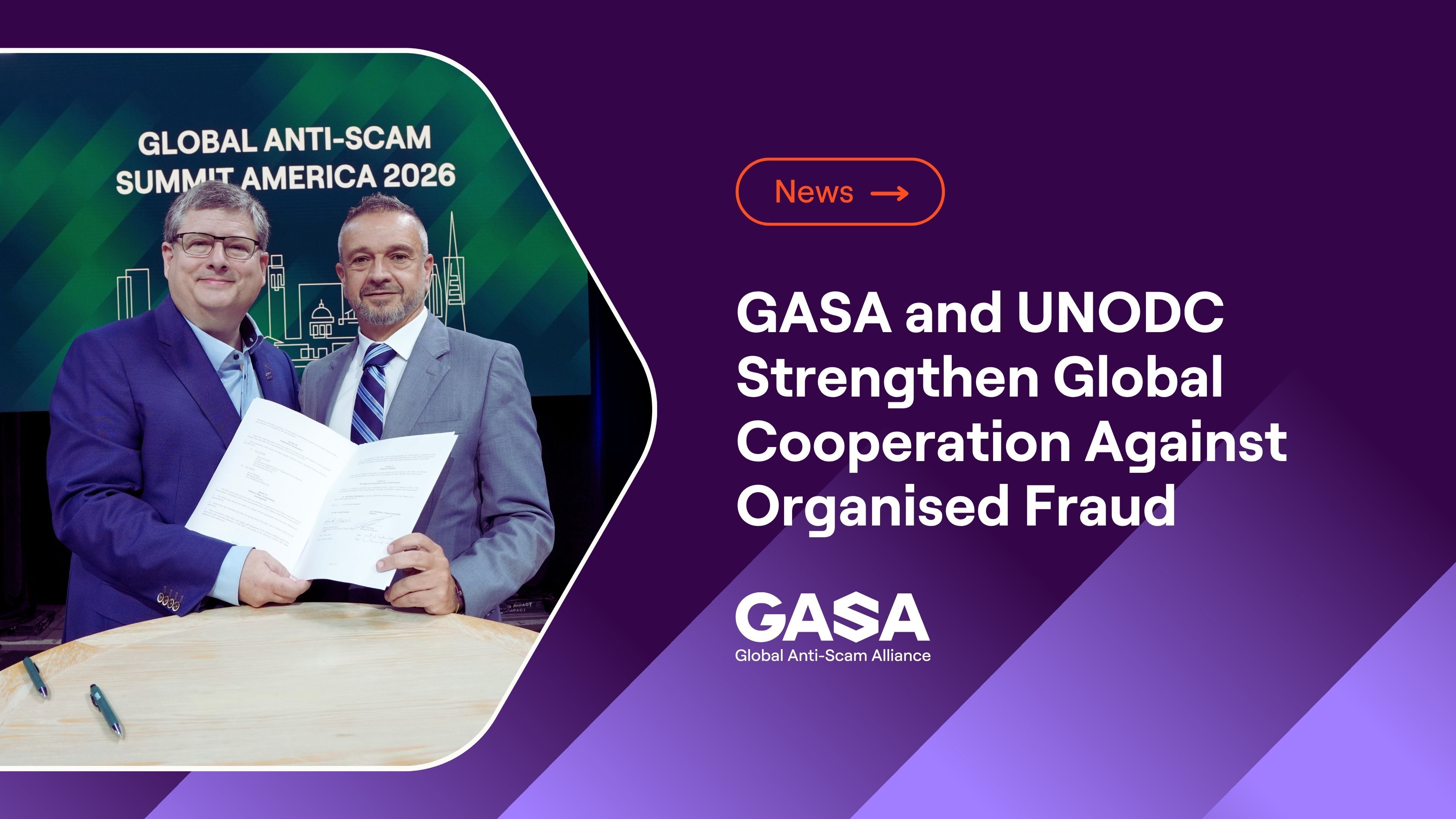
GASA and UNODC Partner to Strengthen Global Response to Organised Fraud
GASA and UNODC sign an MoU to strengthen international cooperation on fraud prevention, research, criminal justice responses and awareness.
Meet the Winners – Scam Fighter Awards at the Global Anti-Scam Summit America 2026
Meet the winners of the Scam Fighter Awards at the Global Anti-Scam Summit America 2026 and learn about their work in education, research, collaboration and technology.
From Information Sharing to Intelligence Production: GASA Mexico in Forbes
Sissi de la Peña, Director of the GASA Mexico Chapter, examines in Forbes México what the U.S. memorandum on cyber operations against fraud networks means for the country.
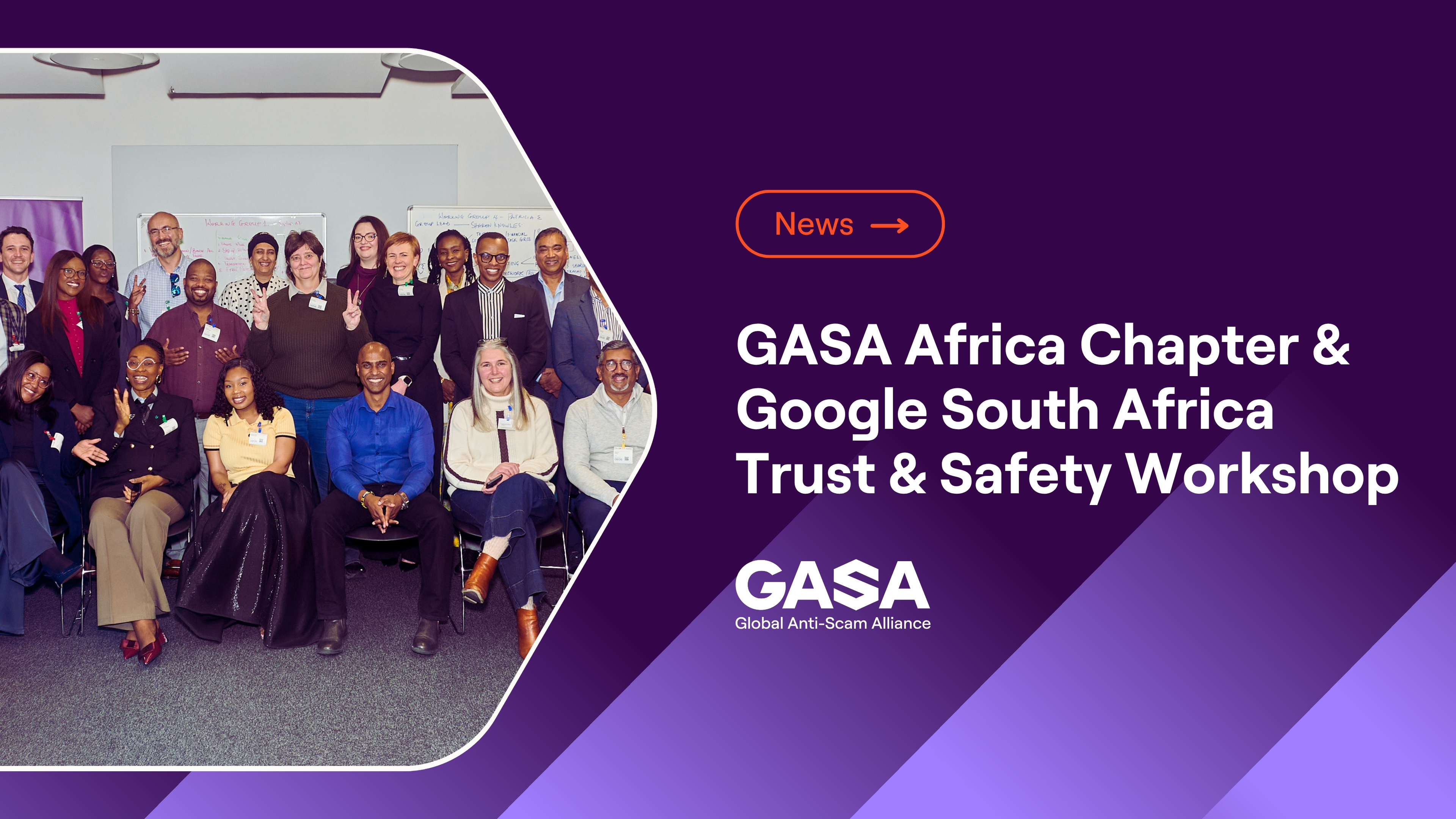
GASA and Google Trust & Safety Workshop Sets Priorities for Anti-Scam Cooperation Across Africa
GASA Africa Chapter and Google South Africa brought anti-fraud leaders together to strengthen cross-border cooperation and scam prevention.
Allstate Identity Protection Joins the Global Anti-Scam Alliance to Strengthen the Fight Against Scams and Identity Theft
Allstate Identity Protection has joined the Global Anti-Scam Alliance (GASA) as a Corporate Member within the North America Chapter.
GASA and Whoscall Release 2026 Asia Scam Report – Taiwan
The 2026 Asia Scam Report – Taiwan, provides an in-depth look at scam exposure, channels, victim experiences, and scam awareness among people in Taiwan.
BanCoppel joins the Global Anti-Scam Alliance to bolster fraud prevention and safeguard individuals entering the banking system.
BanCoppel has joined the Global Anti-Scam Alliance (GASA) as a Corporate Member of the GASA Mexico Chapter.
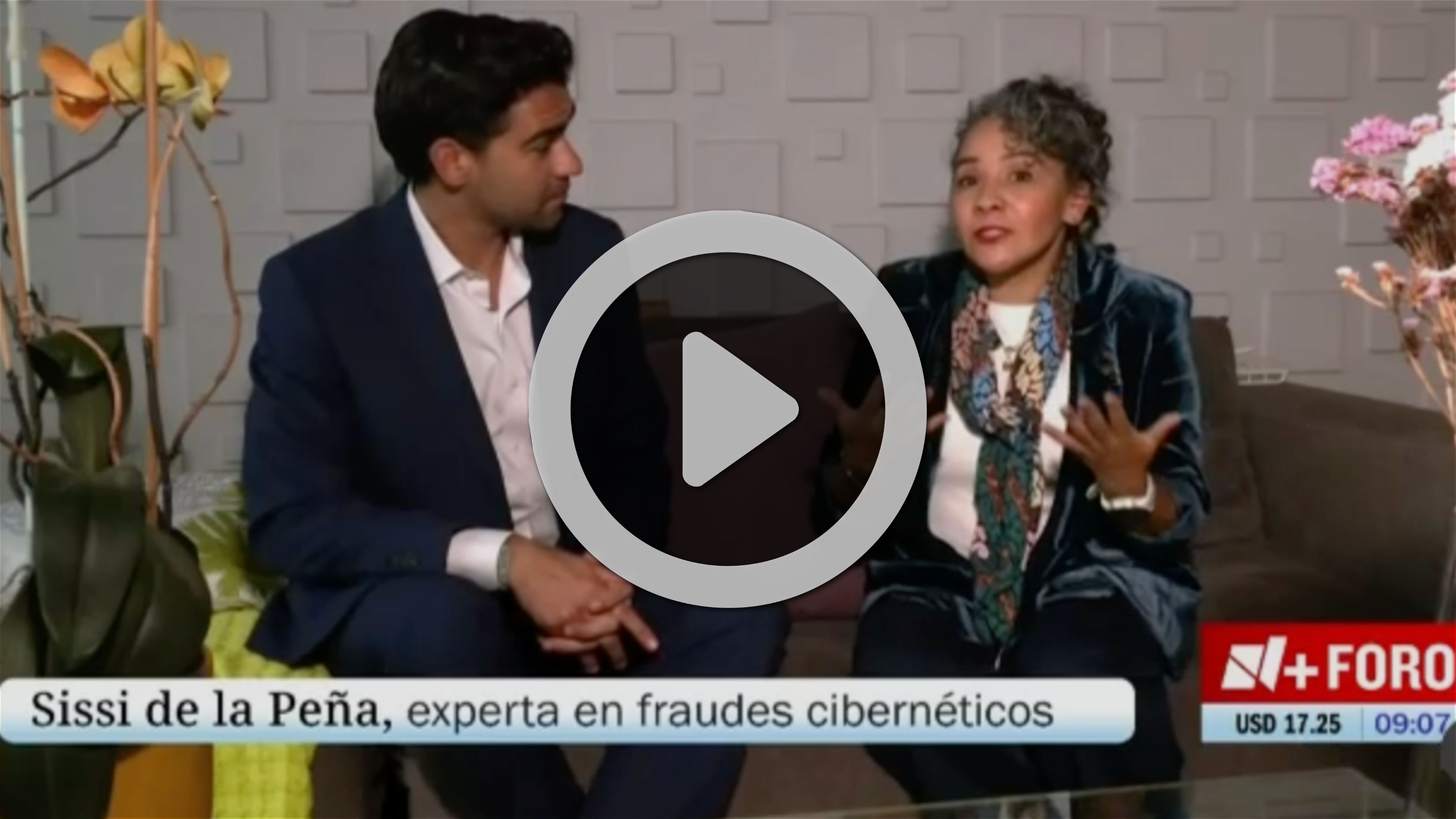
The emotions scammers exploit: how social engineering influences our decisions
How scammers use fear, urgency, excitement and trust to influence decisions, and how recognising these tactics can help people prevent fraud.