
The Expansion of Network Risk Signals in 2026
As fraud and consumer scams continue to scale globally, financial institutions are under increasing pressure to detect risk earlier and prevent losses before funds leave the system. While many banks have strengthened internal controls, scammers increasingly exploit gaps between institutions, payment systems, and national borders.
A new white paper by Ken Palla, 2026 Trend – The Rise of Network Signals to Fight Fraud and Scams, examines how network risk signals generated by payment system operators could play a far more significant role in addressing this challenge. Unlike individual financial institutions, payment operators have visibility across multiple banks and transaction flows, allowing them to detect patterns that are invisible at a single-institution level.
These signals can indicate elevated risk, including suspected money mule activity, abnormal transaction velocity, or anomalies linked to beneficiary accounts. In several markets, network-level insights are already helping institutions intervene earlier in scam-related payment flows.
The expanding role of network risk signals
The paper highlights how network-level risk signals are already being applied in several markets. In the UK , Pay.UK ’s Faster Payments system, supported by Mastercard Vocalink, has been used to identify and disrupt money mule activity at scale. In the Philippines , BancNet has integrated Mastercard’s TRACE service into its real-time payments infrastructure to strengthen network-wide fraud detection.
In the United States , multiple initiatives are emerging in parallel, including network risk signals provided through Early Warning’s Zelle platform, pilots from The Clearing House tied to Real-Time Payments, and ongoing work by the Federal Reserve through FedNow. In the European Union , EBA Clearing has introduced its Fraud Pattern and Anomaly Detection capability, providing a network-level view of beneficiary risk across SEPA payments.
One major enabler for the broader use of network signals is the rollout of ISO 20022 . By allowing significantly richer payment data, the standard supports more contextual analysis, including timing information, upstream risk indicators, and additional metadata that can strengthen fraud and scam detection. While adoption is still underway, the long-term implications are substantial.
Barriers, safeguards, and what comes next
The paper also recognises the legitimate constraints that slow wider data sharing. These include data sovereignty requirements, privacy obligations, contractual limitations between operators and their members, and concerns around breach risk. Older payment rails such as wires and ACH add further complexity.
Rather than treating these barriers as immovable, the paper explores how privacy-enhancing technologies such as Fully Homomorphic Encryption could allow risk analysis to take place without exposing underlying sensitive data. Examples from cross-border initiatives in Southeast Asia show how such approaches could support collaboration while remaining compliant with national regulations.
The paper concludes that expanding access to network risk signals, including through consortium-based approaches, could materially strengthen scam prevention. As fraud becomes faster, more coordinated, and increasingly cross-border, it argues that incremental improvements may no longer be sufficient.
Read the full paper
The full white paper explores these themes in depth, with detailed examples, technical considerations, and forward-looking proposals.
If you are involved in payments, fraud prevention, policy, or data sharing, the paper offers a thought-provoking perspective on how network-level intelligence could shape the next phase of scam prevention.
Sign up to the GASA newsletter for regular updates on scam prevention, research, and best practices.
About the Author
Since 2005, Ken Palla has been in online security. He was a Director at MUFG Union Bank, retiring in early 2019. He helped shape the initial responses to the U.S. 2005 and 2011 FFIEC Regulatory Guidance to improve online security for U.S. banks. He is an early adopter and has selected and implemented a number of online security products.
Ken was an advisor to the RSA eFraud Global Forum and a Program Committee member for the annual RSA Conference in San Francisco. He is currently on The Knoble Scam Committee. He has published many white papers on the need to focus on online customer safety, online authentication, and how to select a multi-factor authentication solution. More recently, his white papers and blogs have focused on consumer financial scams, including controls to reduce scams and what countries are doing about scam reimbursement.
He was also the editor for the complete list of definitions of financial scams, published by The Knoble in 2022. In 2019, he received the Legends of Fraud Award at the 3rd annual FraudCON conference in Israel. He currently consults with banks and online security vendors.

-3.jpg)
More than one in five adults in Japan encountered scams in the past year
New State of Scams Japan 2026 report examines how scams are reaching consumers and where stronger prevention and collaboration can make a difference
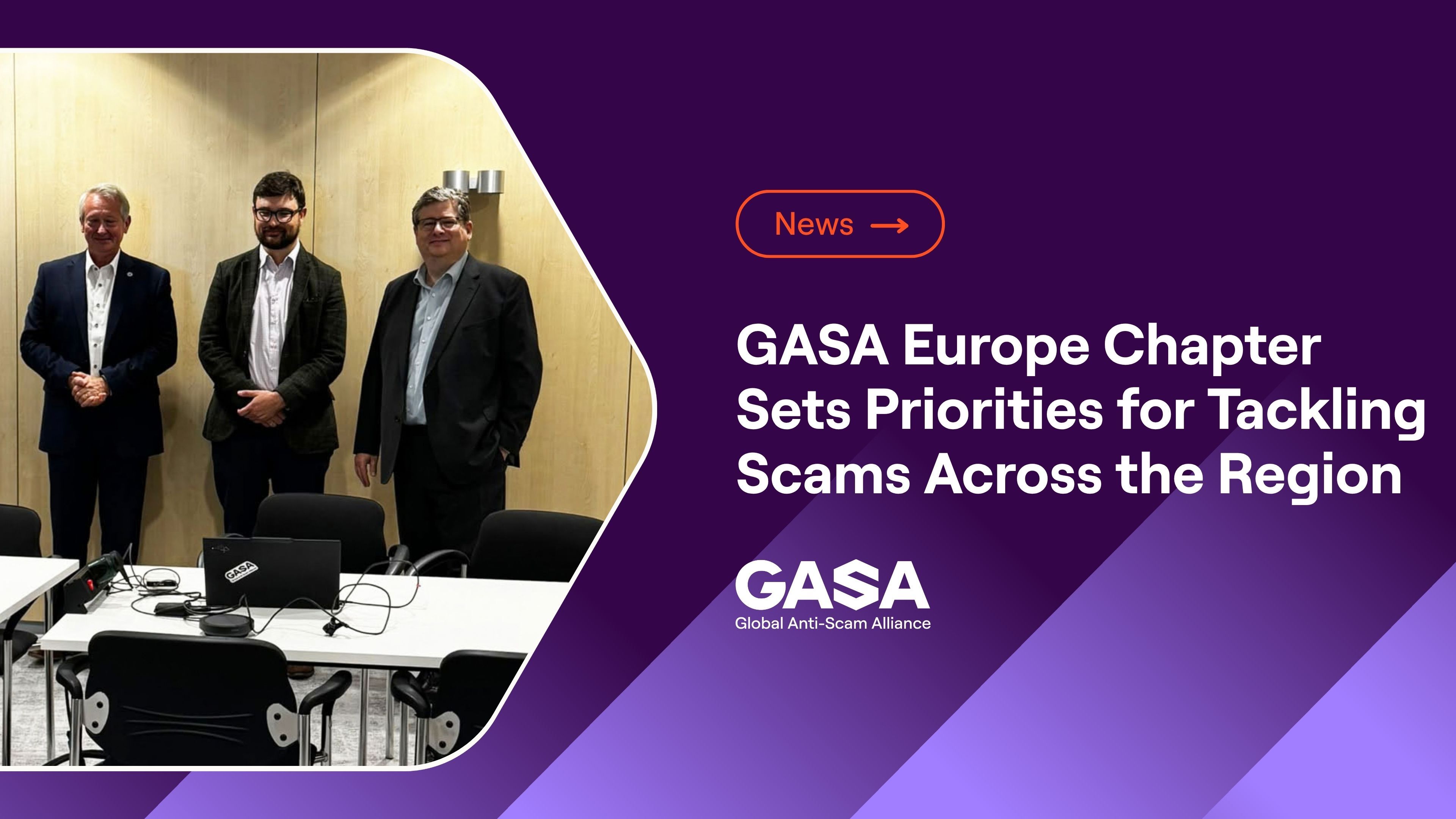
GASA Brings Stakeholders Together in Brussels for First Europe Chapter Meeting
GASA Europe brings 50+ stakeholders together in Brussels to discuss scam trends, data sharing and cross-sector priorities.
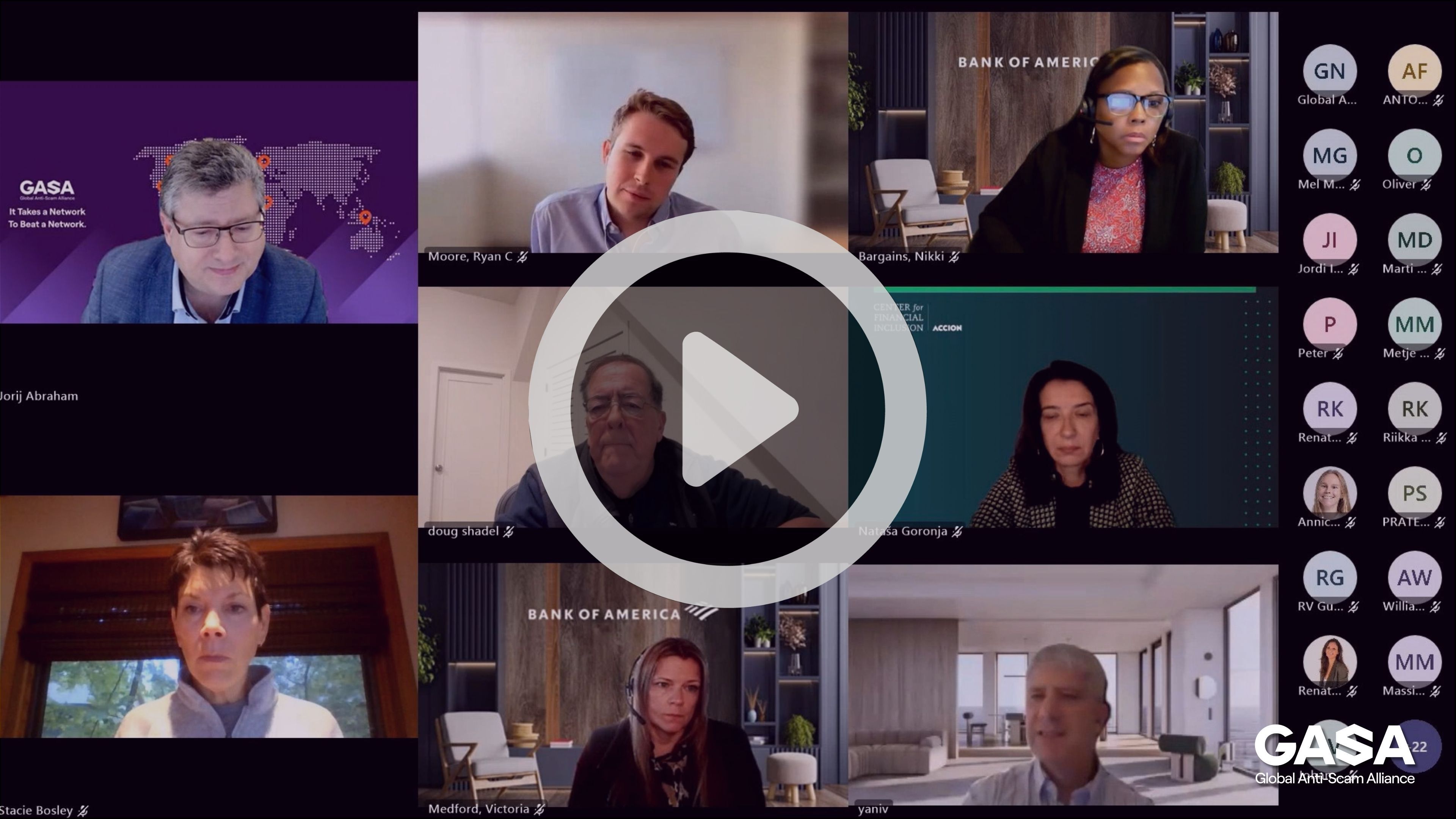
Research Working Group Meeting: Fraudulent Tickets and Robocall Scam Tactics
Research presented to GASA examines consumers’ ability to spot fraudulent tickets and tactics found across 4.49 million scam and spam robocalls.
-2.jpg)
Fighting Fraud Without Borders: Cross-Regional Collaboration in Latin America and Beyond
A roundtable at GASS America examined cross-regional collaboration in Latin America and beyond, focusing on fraud prevention, consumer protection and response.
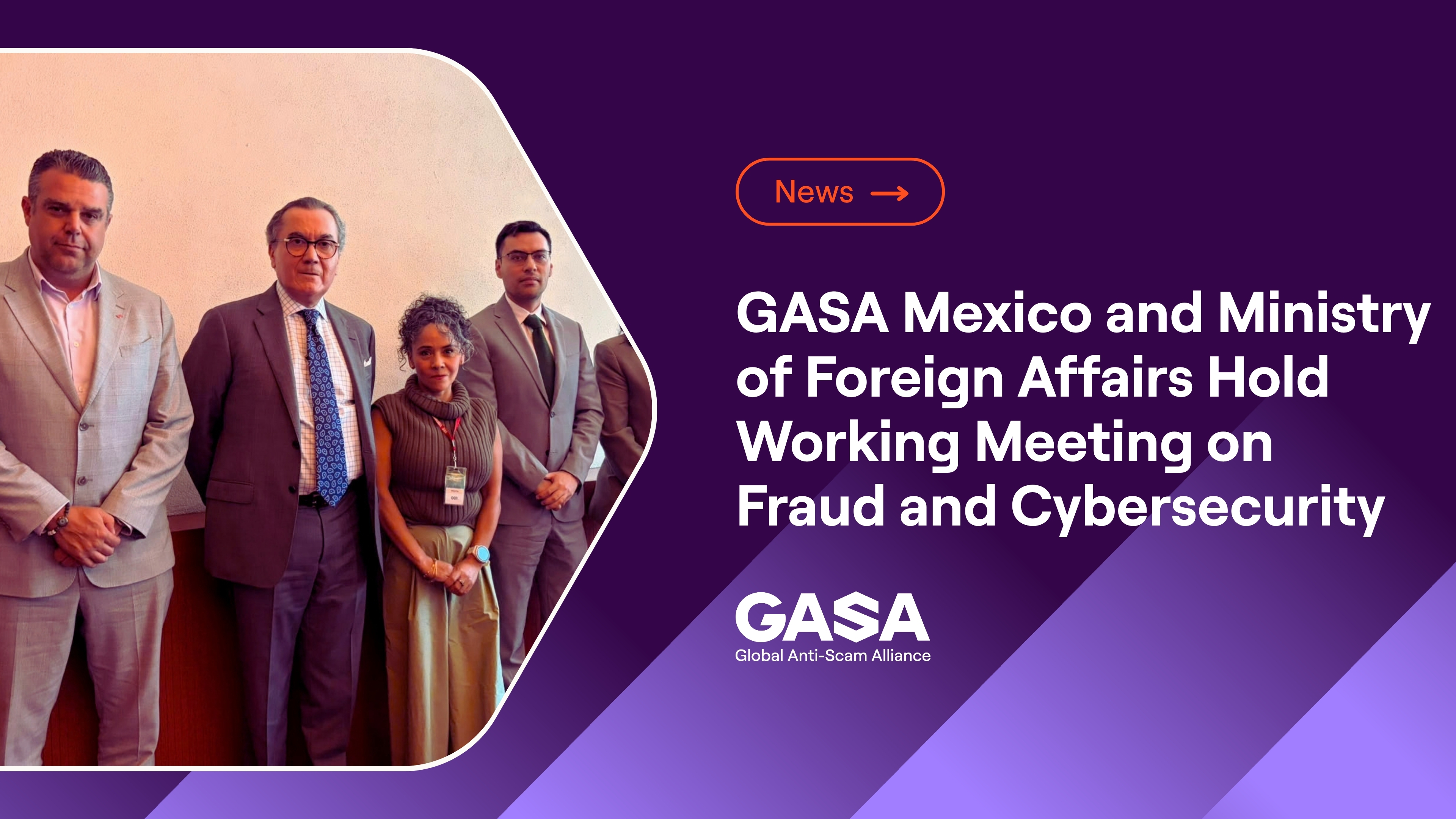
GASA Mexico and the Ministry of Foreign Affairs Hold Working Meeting Ahead of the Chapter’s Annual Forum, “From Coalition to Action”
GASA Mexico and the Ministry of Foreign Affairs convened Mastercard and Scotiabank to discuss fraud, cybersecurity, information sharing and emerging technologies.
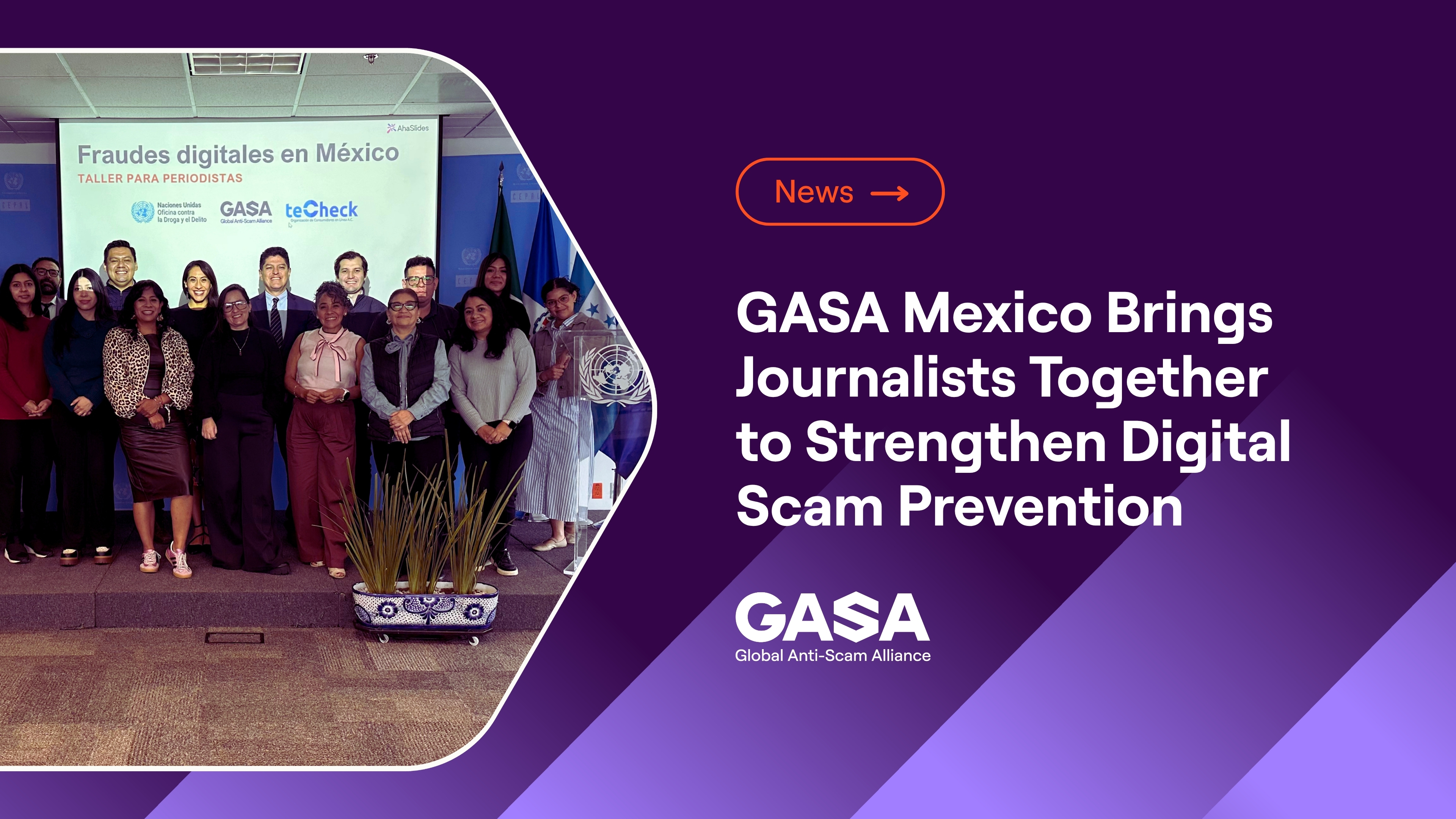
GASA Mexico Workshop Examines the Role of Journalism in Digital Scam Prevention
GASA Mexico brought together journalists and editors to discuss digital scams, victim-centred reporting and the role of media in scam prevention.

Brazil Anti-Scam Forum 2026: Key Takeaways on Strengthening Scam Prevention in Brazil
Key insights from the Brazil Anti-Scam Forum 2026 on scam trends, prevention, intelligence sharing and cross-sector collaboration.

GASA Consumer Education Working Group Develops 5-Step Response Plan for Scam Victims
GASA’s Consumer Education Working Group sets out a five-step response plan that organisations can use and share to support people affected by scams.