
Date of Event: 26–27 March 2025
Event: Global Anti-Scam Summit London 2025

The technology panel at the Global Anti-Scam Summit London 2025 brought together experts from leading organisations to examine how innovation can help counter scams more effectively.
Jonathan Frost from BioCatch explained how behavioural biometrics are used to detect account takeover attempts in digital banking channels, while Laura Gutman from Meta shared strategies around prevention, detection, and remediation on social platforms, including new uses of facial recognition to combat impersonation scams. Olivier Beaudet-Labrecque from ForenSwiss introduced the use of AI-powered decoy bots to capture fraudster payment information, enhancing real-time disruption efforts.
The panel highlighted how scammers adapt rapidly, with organised fraud evolving faster through technology. Discussions covered the urgent need for collaboration, scalable AI defences, real-time signal sharing, and creative disruption of scam networks.
Despite increasing threats, the panellists expressed optimism about private sector innovation’s role in building stronger technological safeguards. As one speaker summarised: "Scammers innovate — but so can we."
This session reinforced that while scams are escalating in complexity, coordinated and tech-driven responses offer a powerful path forward.

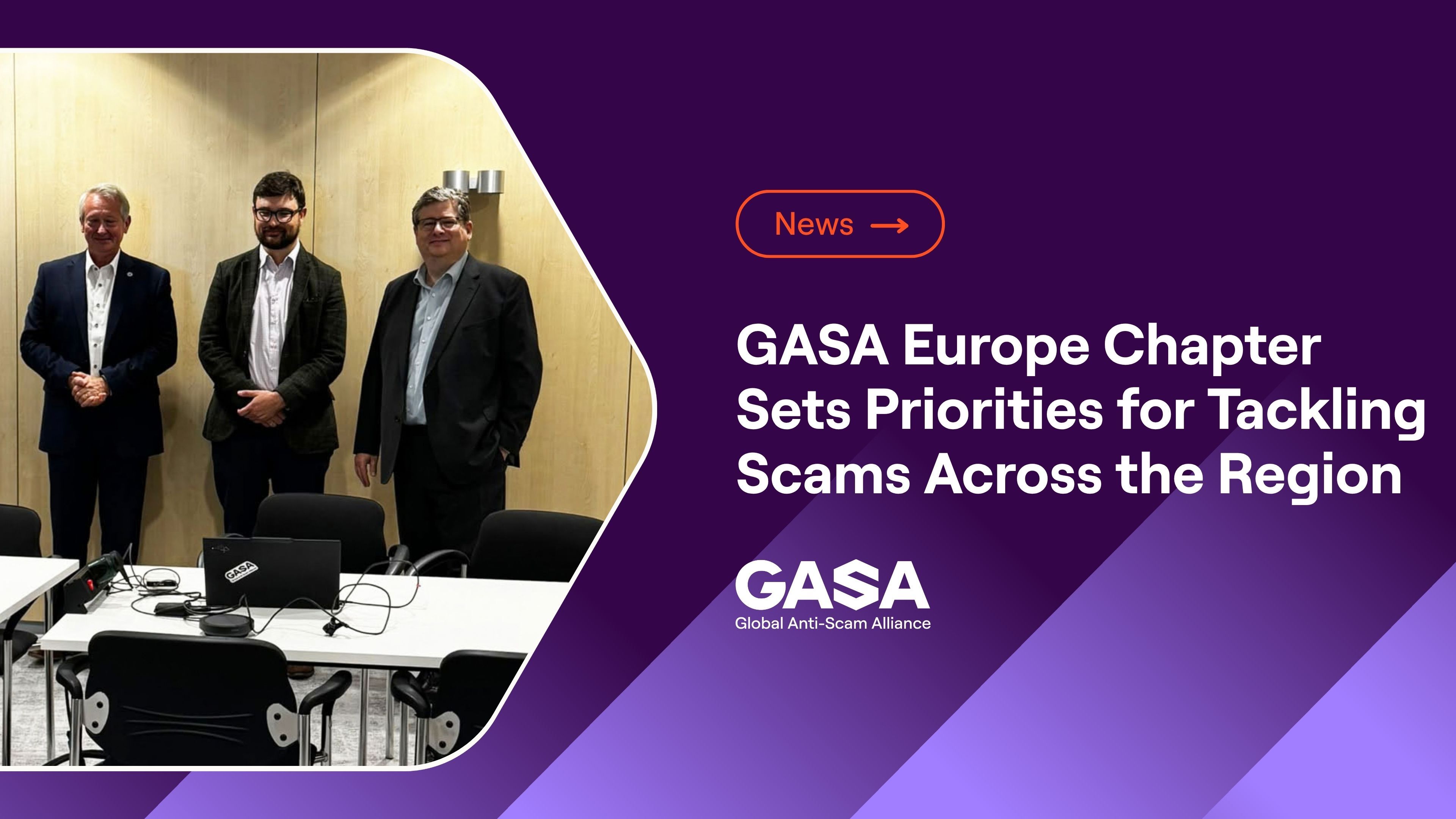
GASA Brings Stakeholders Together in Brussels for First Europe Chapter Meeting
GASA Europe brings 50+ stakeholders together in Brussels to discuss scam trends, data sharing and cross-sector priorities.
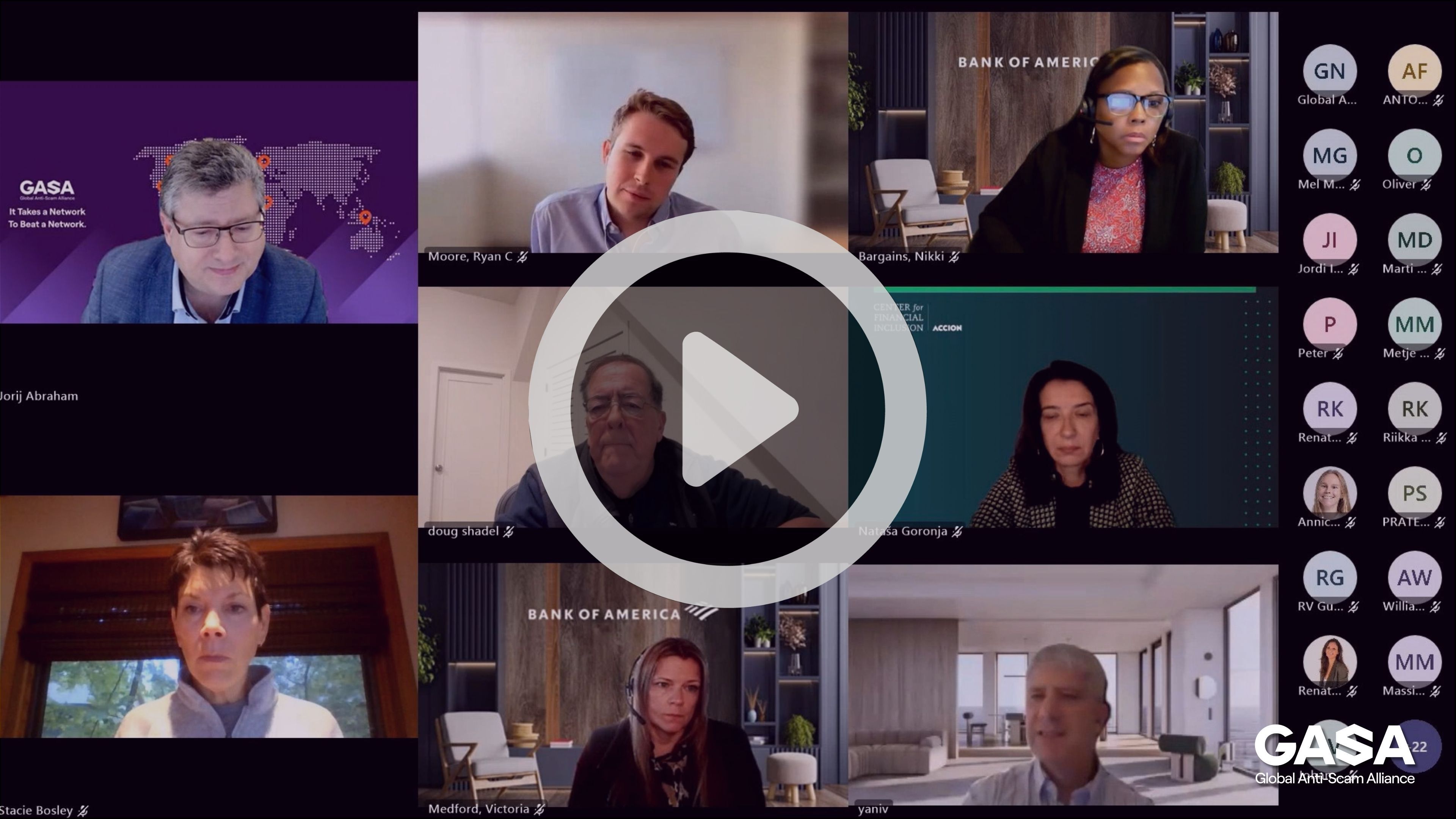
Research Working Group Meeting: Fraudulent Tickets and Robocall Scam Tactics
Research presented to GASA examines consumers’ ability to spot fraudulent tickets and tactics found across 4.49 million scam and spam robocalls.
-2.jpg)
Fighting Fraud Without Borders: Cross-Regional Collaboration in Latin America and Beyond
A roundtable at GASS America examined cross-regional collaboration in Latin America and beyond, focusing on fraud prevention, consumer protection and response.
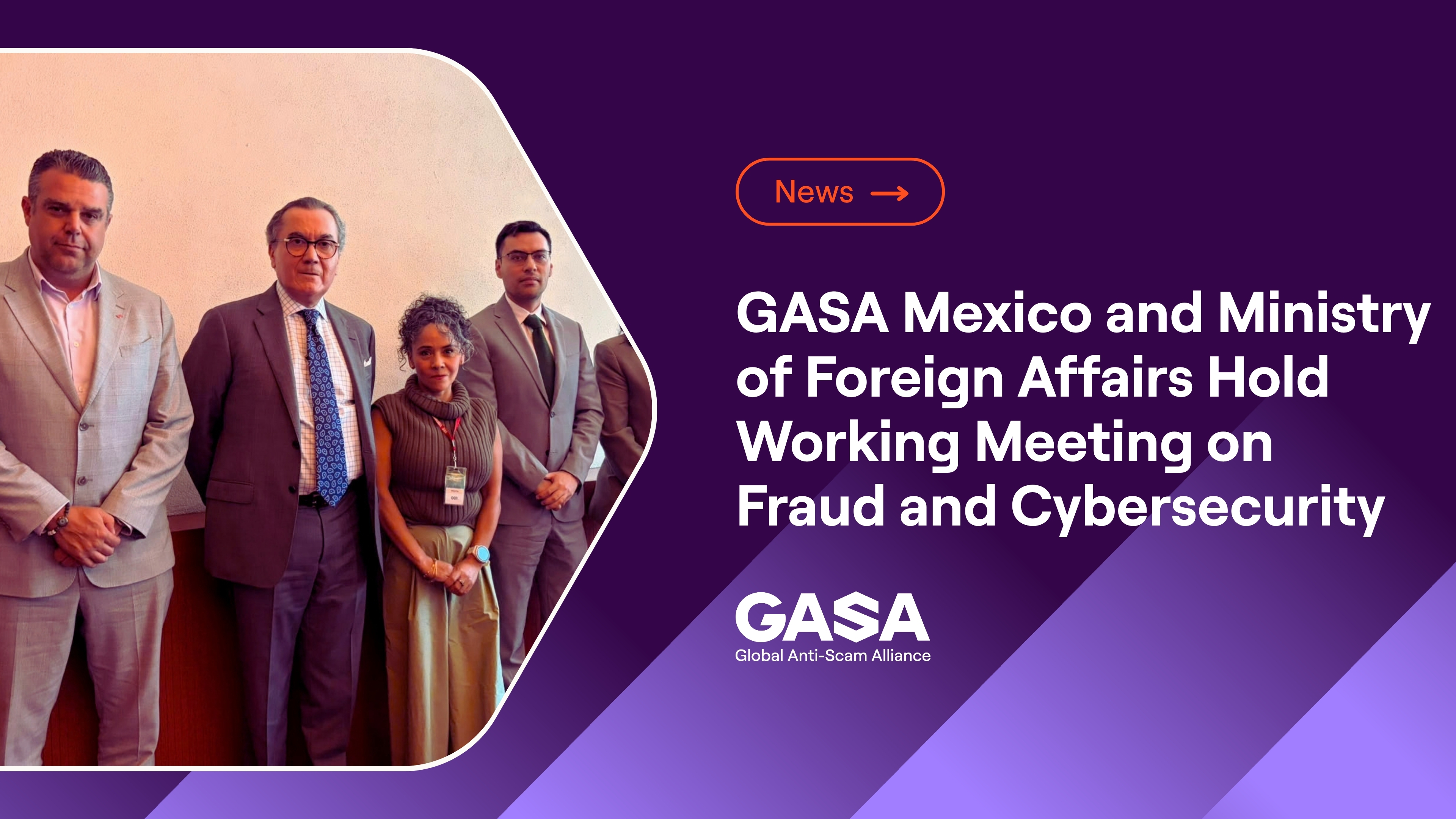
GASA Mexico and the Ministry of Foreign Affairs Hold Working Meeting Ahead of the Chapter’s Annual Forum, “From Coalition to Action”
GASA Mexico and the Ministry of Foreign Affairs convened Mastercard and Scotiabank to discuss fraud, cybersecurity, information sharing and emerging technologies.
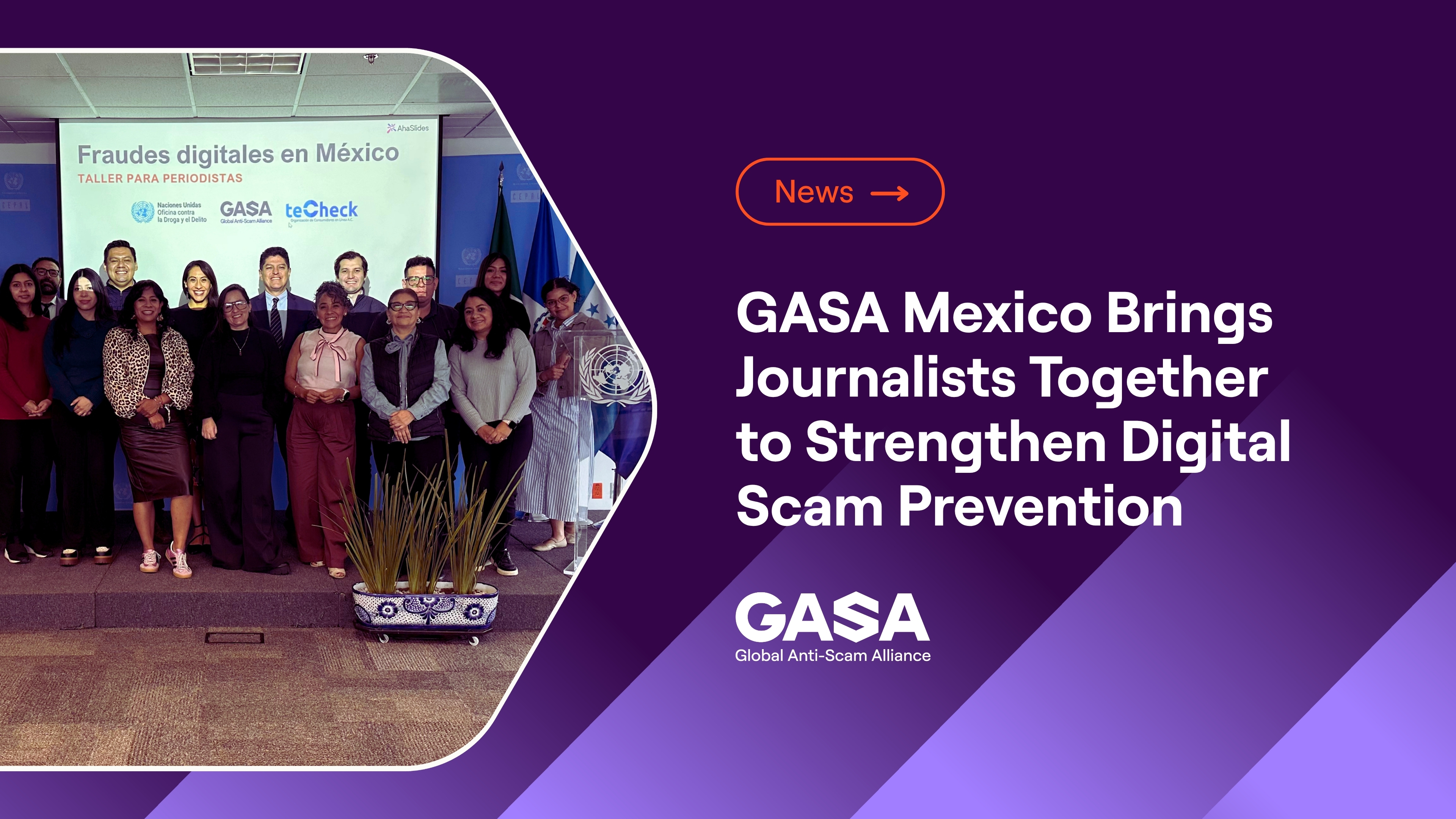
GASA Mexico Workshop Examines the Role of Journalism in Digital Scam Prevention
GASA Mexico brought together journalists and editors to discuss digital scams, victim-centred reporting and the role of media in scam prevention.

Brazil Anti-Scam Forum 2026: Key Takeaways on Strengthening Scam Prevention in Brazil
Key insights from the Brazil Anti-Scam Forum 2026 on scam trends, prevention, intelligence sharing and cross-sector collaboration.

GASA Consumer Education Working Group Develops 5-Step Response Plan for Scam Victims
GASA’s Consumer Education Working Group sets out a five-step response plan that organisations can use and share to support people affected by scams.
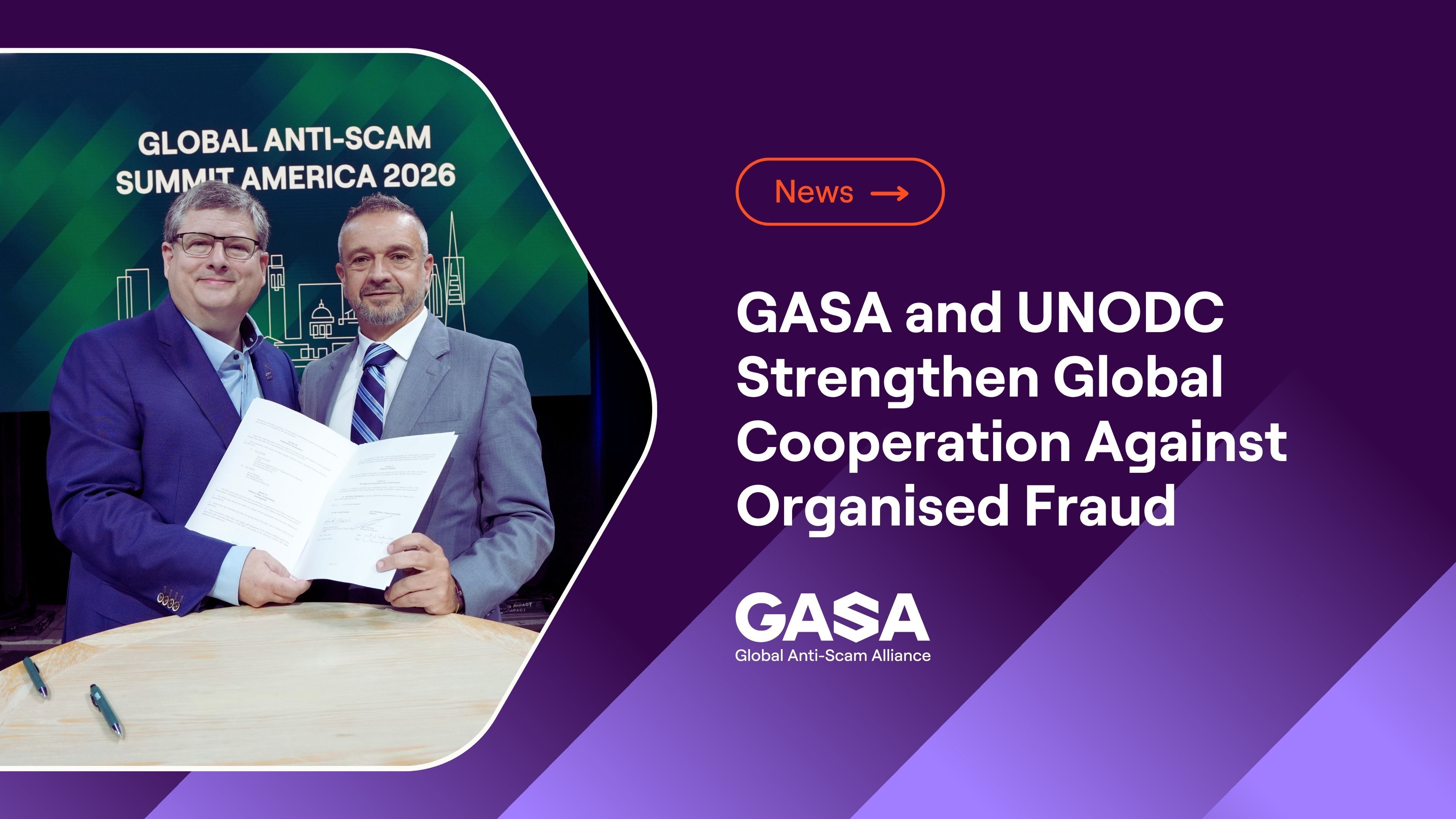
GASA and UNODC Partner to Strengthen Global Response to Organised Fraud
GASA and UNODC sign an MoU to strengthen international cooperation on fraud prevention, research, criminal justice responses and awareness.