
Date of Event: 26-27 March 2025
Event: Global Anti-Scam Summit London 2025
For victims of scams, the trauma extends far beyond financial losses. Stigma, isolation, and a lack of proper support often make the aftermath even more painful than the crime itself.
As part of the Global Anti-Scam Summit London 2025 , this workshop, hosted by Euroconsumers and Which?, brought together survivors and experts to explore what genuine, long-term support for scam victims should look like.
The session was chaired by Jekatyerina Maszlova, Advocacy and Enforcement Officer at Euroconsumers.
The session opened with testimonies from Cecilie Fjellhøy, Co-Founder of LoveSaid, and Anna Rowe, Founder of Catch the Catfish and Co-Founder of LoveSaid. Both spoke about their experiences of romance fraud, the psychological pressure they faced, and the barriers to receiving effective support. They described how, beyond the fraud itself, the response from institutions can add further distress.
Dr. Elisabeth Carter, Associate Professor of Criminology and Forensic Linguist at Kingston University, examined the role of language in fraud. She highlighted how scammers build trust and control victims, and how public messaging and institutional responses often place blame on victims instead of focusing on the methods used by offenders.
Wayne Stevens, National Fraud Lead at Victim Support UK, and Neil Postins, Service Delivery Manager at the National Economic Crime Victim Care Unit, City of London Police, described the challenges faced by support services. They discussed the importance of first responders in recognising victims and providing access to help at an early stage.
Matt Niblett, Senior Policy Adviser at Which?, presented findings that compared the emotional impact of scams to the financial losses. He noted that the psychological damage is often greater, and argued for public policy to address this gap.
The session also included contributions from Kole Gjikolaj, Member of the Childnet Youth Advisory Board, who shared a youth perspective on scams and their consequences.
Giles Derrington, Senior Government Relations and Public Policy Manager at TikTok, and Will Gardner, CEO of Childnet, discussed the role of digital platforms in prevention and education.
The discussion showed that meaningful support requires action across law enforcement, financial services, government, and community organisations. It is not only about prevention, but also about making recovery possible for those affected.
Watch the full session below to hear directly from the speakers and gain valuable insights into how we can build lasting support for scam victims.

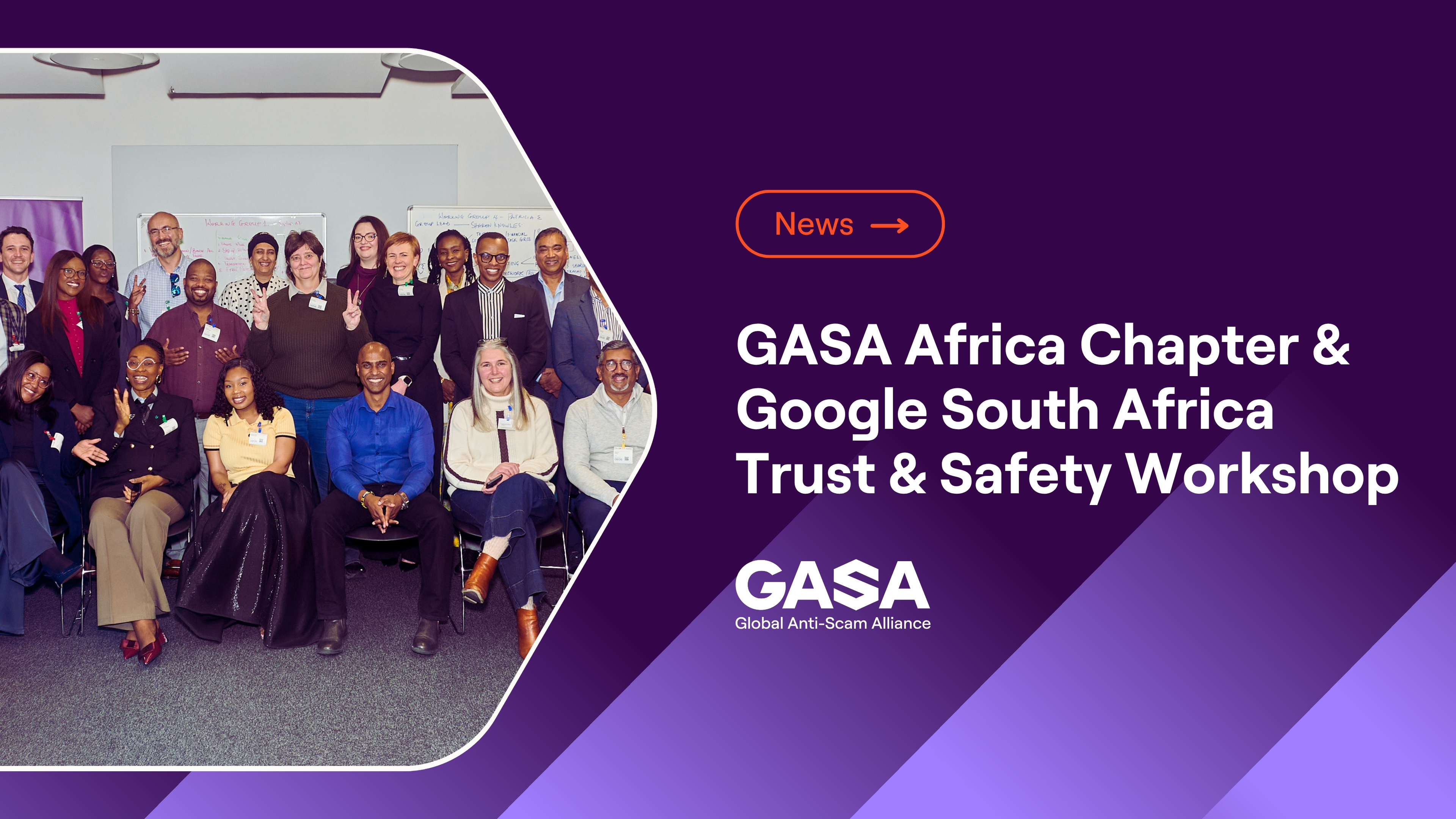
Accra Trust & Safety Workshop Turns Collaboration into Action Against Scams and Fraud in West Africa
GASA Africa Chapter and Google South Africa brought anti-fraud leaders together to strengthen cross-border cooperation and scam prevention.
State of Scams in Nigeria 2026: A Comparative Review Across Africa
Nigerian experts examine scam trends, technology, consumer protection and the need for stronger cross-sector collaboration.
Nearly three in four Danish adults encountered scams as estimated losses reach DKK 10.1 billion
New State of Scams Denmark 2026 report finds scam exposure is rising, while victims face repeated financial and emotional harm.
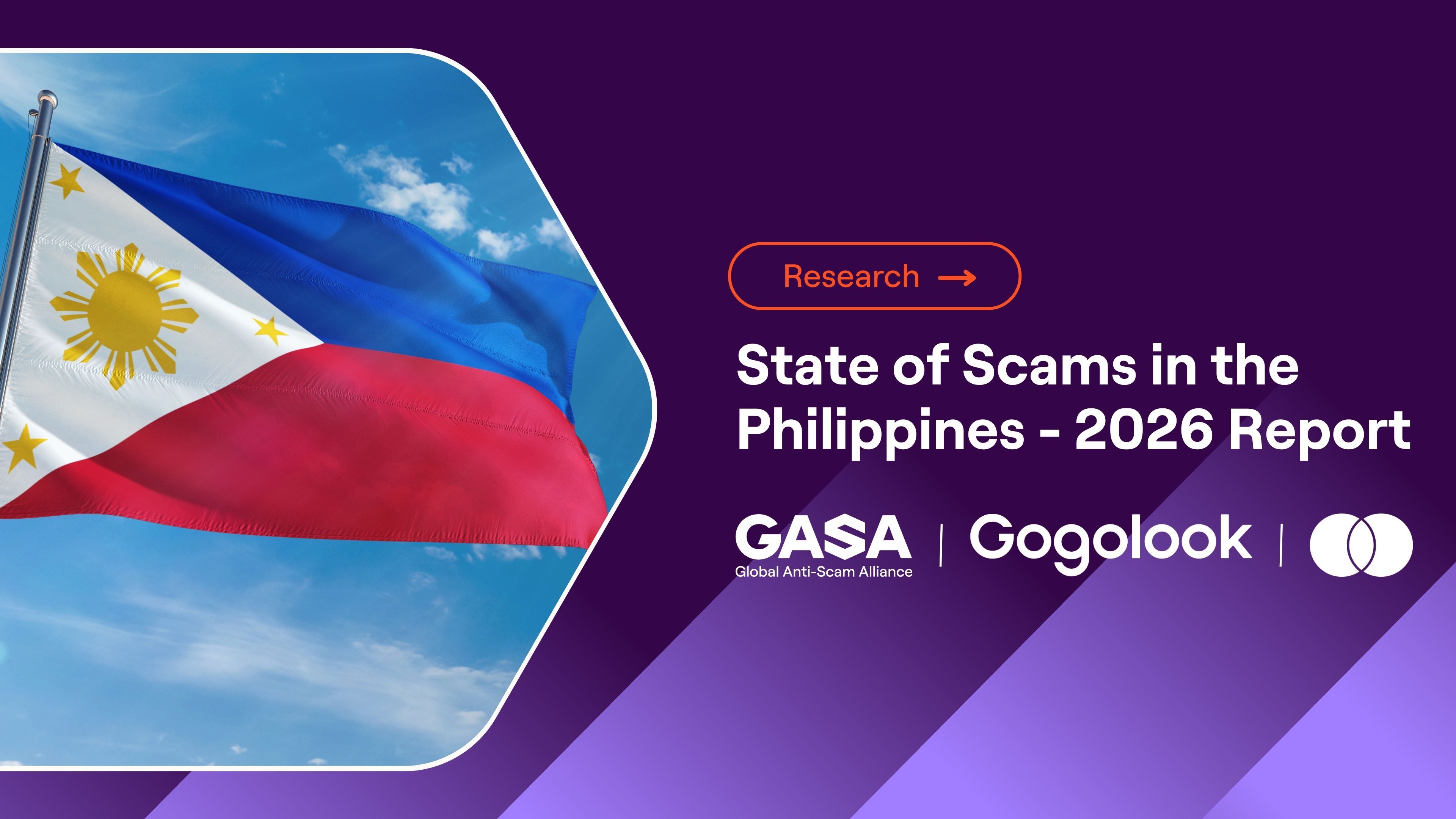
Building a More Trusted Digital Philippines: New Report Underscores the Need for Collective Action as Scam Exposure Continues to Rise
GASA’s State of Scams in the Philippines 2026 Report, in collaboration with Mastercard and Gogolook, highlights the growing scale of the scam challenge in the Philippines.
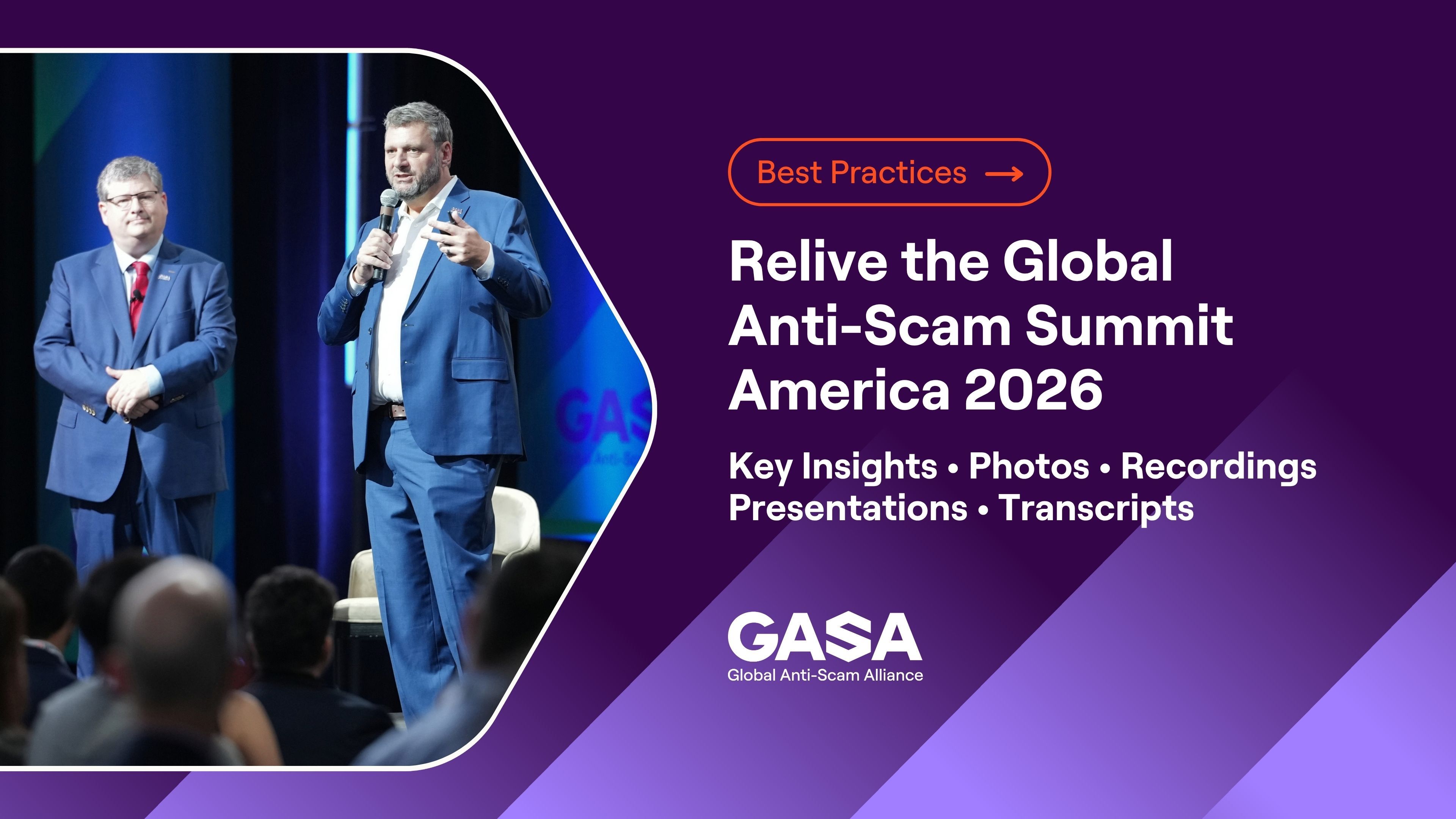
Global Anti-Scam Summit America 2026: Highlights, Insights and Resources
Explore GASS America 2026 highlights and insights, with the Summit summary, photos, presentation slides, transcripts and session recordings from San Francisco.
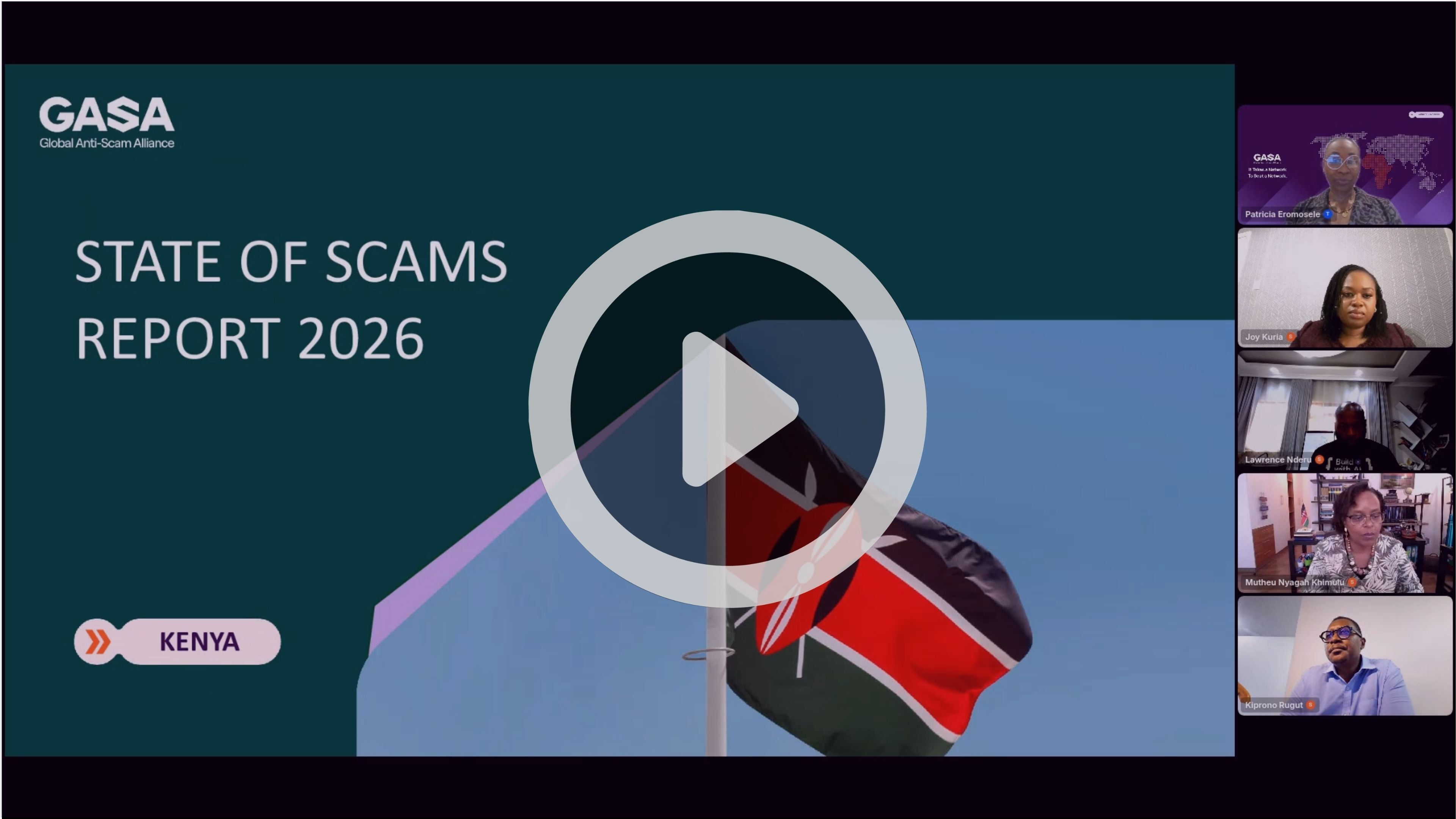
State of Scams in Kenya 2026: A Comparative Review Across Africa
Kenyan experts examine scam trends, data sharing, digital trust and the need for stronger cross-sector prevention.
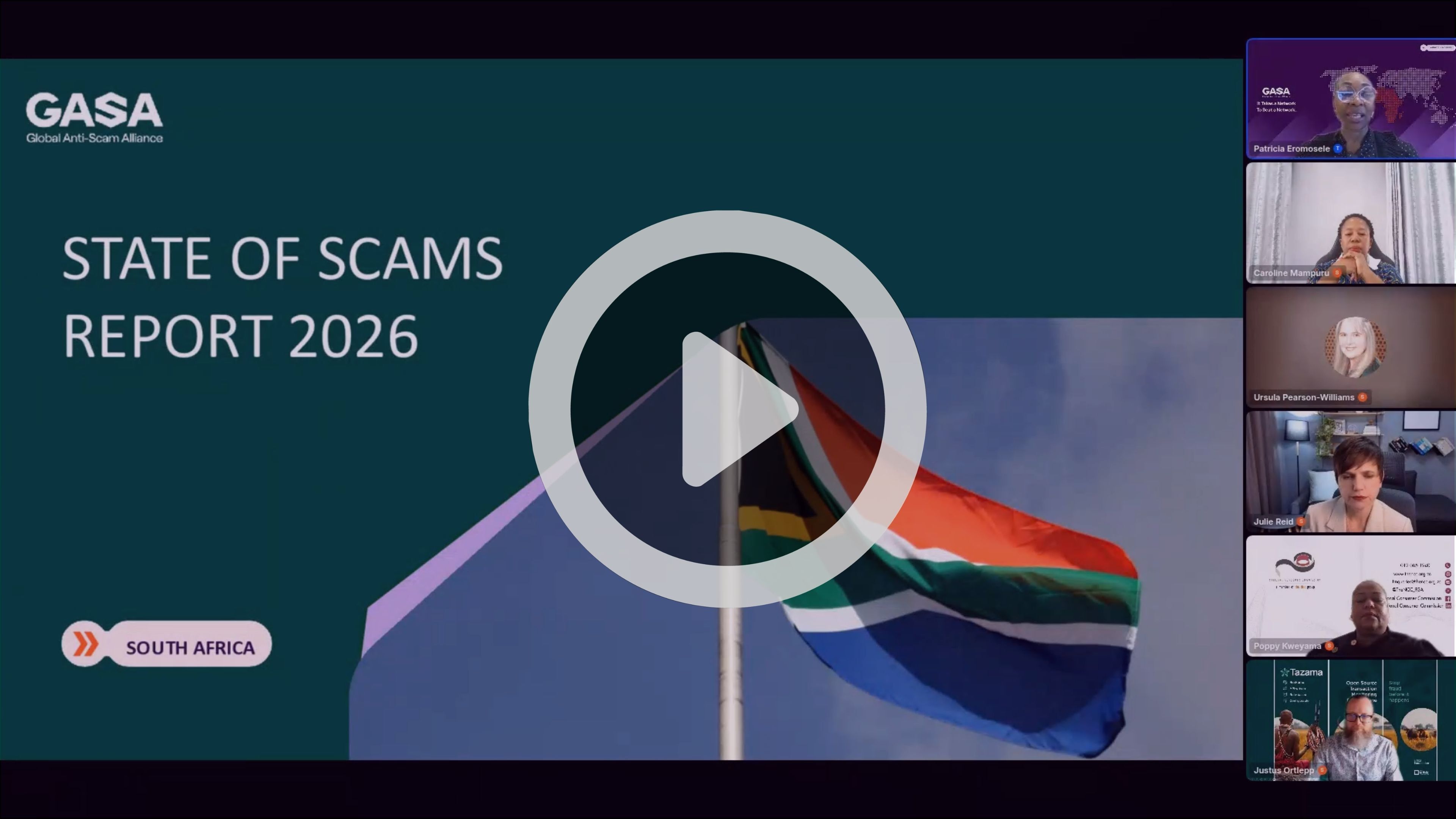
State of Scams in South Africa 2026: A Comparative Review Across Africa
South African experts examine scam trends, AI, consumer protection and the need for stronger cross-sector collaboration.
-3.jpg)
More than one in five adults in Japan encountered scams in the past year
New State of Scams Japan 2026 report examines how scams are reaching consumers and where stronger prevention and collaboration can make a difference