

The Global Signal Exchange is proud to welcome WhoisXML API as a Partner. A leading provider of domain intelligence and cyber threat detection tools, WhoisXML API brings valuable predictive data to the GSE’s open data layer.
Their contribution includes the Early Warning Phishing Feed – a daily data feed that flags newly registered domains likely to be used for phishing, scams, and trademark abuse. By sharing this intelligence with the GSE community, WhoisXML API strengthens the collective ability of anti-fraud professionals to detect and disrupt scams earlier in their lifecycle.
“Global Signal Exchange is building a trusted network where anti-fraud professionals can securely share and access signals that reveal patterns no single organisation could identify alone. At WhoisXML API, we’re glad to support this initiative with our predictive domain threat intelligence, because fighting fraud effectively requires collaboration, context, and the collective power of shared intelligence.” – Alexandre François, Product Marketing Director at WhoisXML API
With a focus on transparency and early detection, WhoisXML API’s participation helps power a more connected and effective global anti-scam ecosystem.

Global Scams Remain Widespread: Nearly Two in Three Adults Worldwide Report Scam Encounters, 9% Lost Money
This study of 58,900 adults across 42 markets found that three in four adults (75%) encountered a scam in the past 12 months. Overall, 35% interacted with a scammer, 9% lost money, and 3% reported a scam to the authorities.
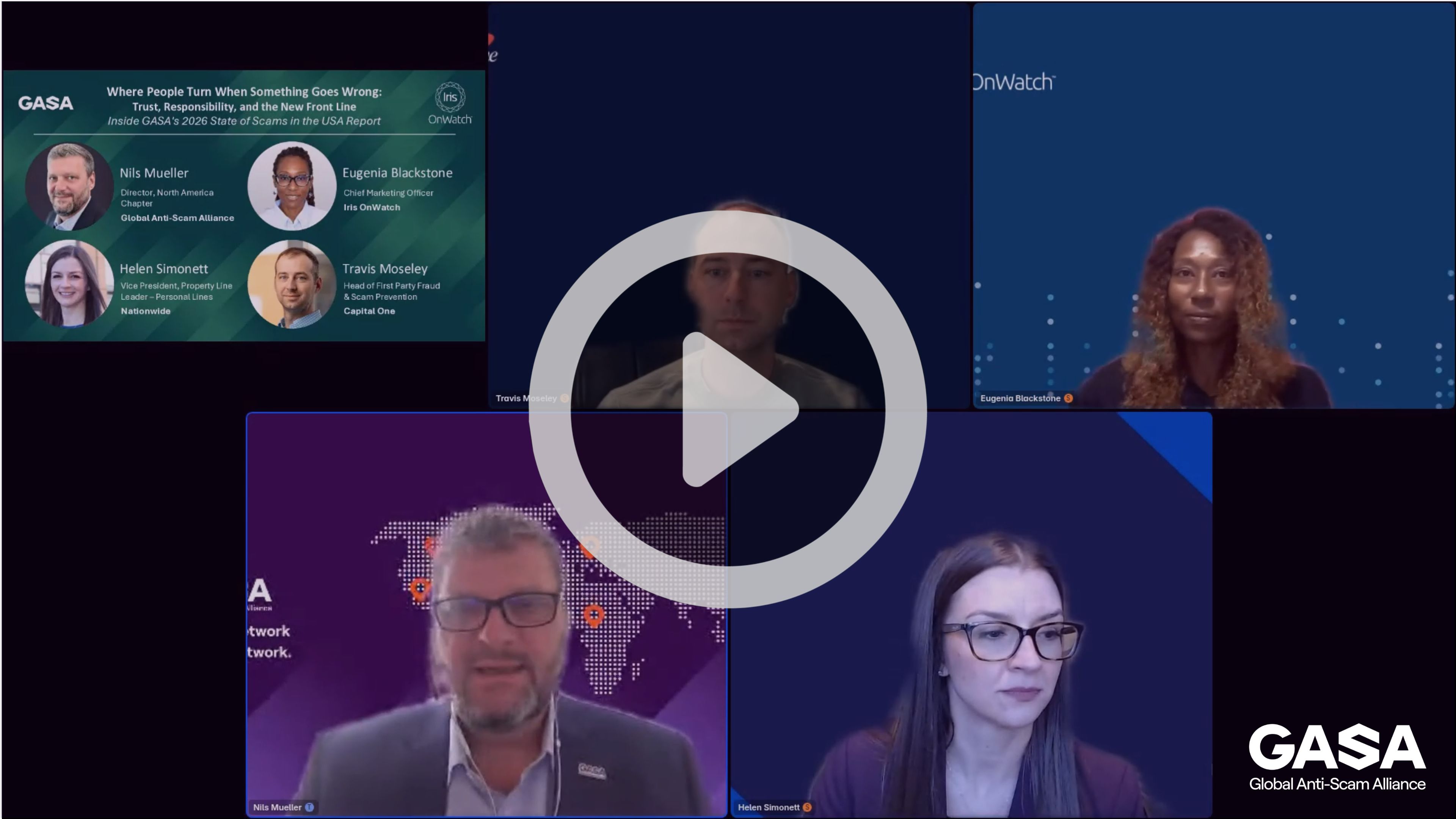
A Scam Victim's First Call: The Accidental Front Line Against Scams
Explore why US scam victims turn to banks and brands first, and how organisations can support them. Watch the GASA and Iris OnWatch webinar replay.
Meet the Winners – Scam Fighter Awards at the Global Anti-Scam Summit Asia 2026
Meet the five Scam Fighter Awards winners and runners-up from the Global Anti-Scam Summit Asia 2026 in Bangkok, and see which initiatives were recognised.
From fake tolls to romance scams: How fraudsters tailor their tactics to different platforms
Malwarebytes research explores how scam tactics vary across email, texts, social media and the web, including peak times and commonly impersonated brands.
No Child Should Face Online Harm Alone: Key Outcomes from COSPRA 2026
GASA joined the COSPRA Summit 2026 in Abuja. Here are the key outcomes on child online safety, scams and fraud, and cross-border cooperation.
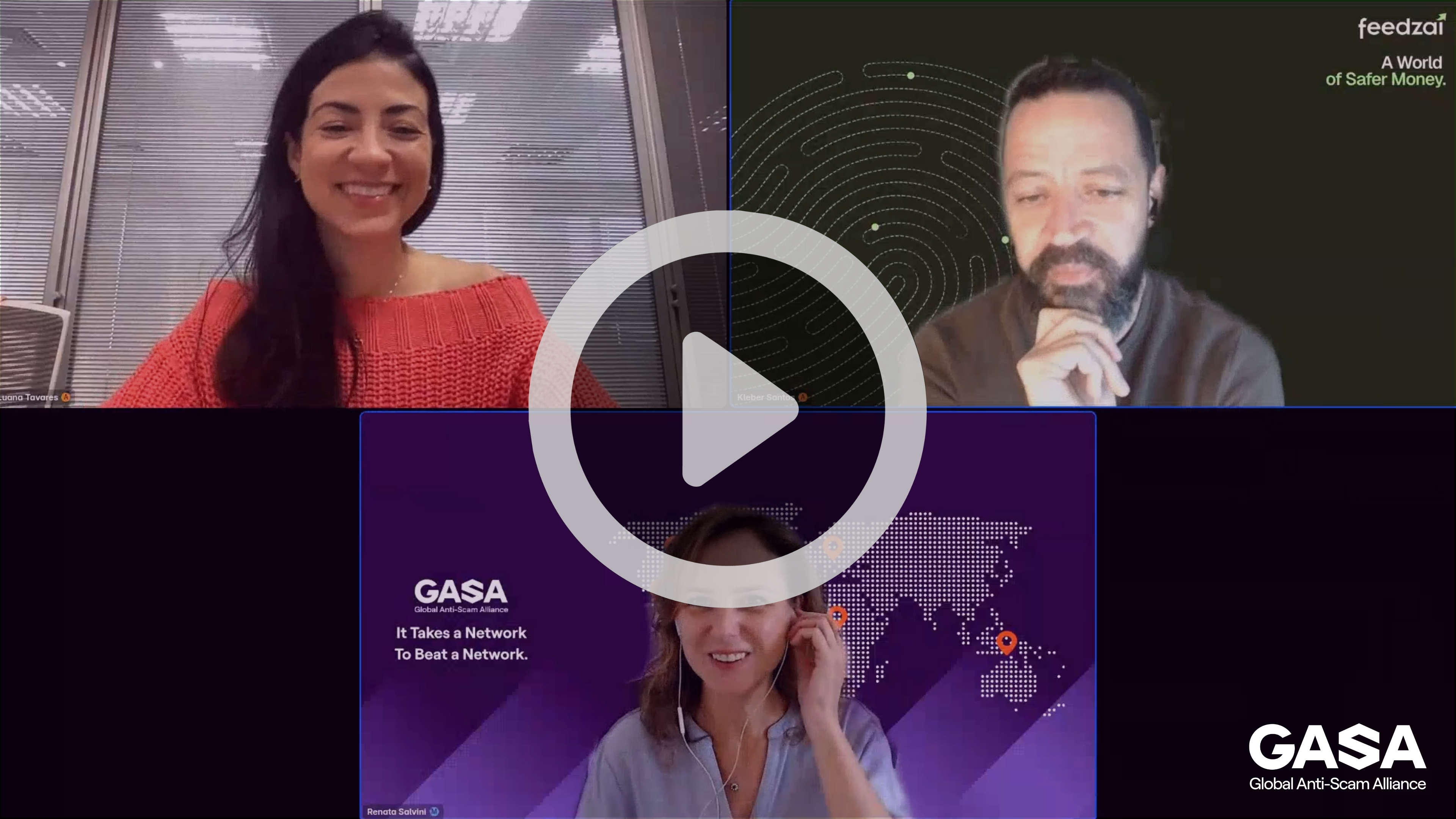
From Cyberattack to Scam: How Cybersecurity Protects Businesses and People
GASA Brazil experts discuss how cybersecurity, better data and cross-sector cooperation can prevent scams and disrupt criminal networks.

How Amazon Is Helping Consumers Verify Messages and Avoid Impersonation Scams
Explore how Amazon uses AI and outgoing communication records to verify suspicious messages and inform approaches to impersonation scam prevention.
Whoscall, GASA and Mastercard Release the 2026 Asia Scam Report: Hong Kong
More Than 80% of Hong Kong Respondents Encountered Scams; Phone Calls and SMS Remain the Leading Channels