
As an international alliance dedicated to combating scams, the Global Anti-Scam Alliance (GASA) has unfortunately become a target for impersonation. Fraudsters are misusing our name, branding, and reputation to deceive victims. These impersonation attempts appear in several forms: fake recovery services, fraudulent ticket offers, phishing emails , and even counterfeit websites that copy GASA’s identity. While the tactics vary, the aim is always the same – to gain the trust of unsuspecting individuals and exploit them for money or personal information.
Recovery scams posing as GASA
One recurring tactic involves criminals presenting themselves as GASA representatives who claim they can recover stolen funds, often linked to cryptocurrency fraud. Victims are asked to provide personal information, payment details, or transaction records. These claims are false. GASA does not provide recovery services , does not employ “hackers” or “security departments,” and only communicates via official @ gasa.org email addresses.
Ticket scams linked to GASA events
Another form of impersonation involves ticket fraud connected to our Global Anti-Scam Summit events. Posts and comments appear on social media claiming to sell or resell tickets, often with urgent language such as “extra ticket available” or “cannot attend, message me.” All legitimate registrations are handled directly through our website and official partners. Tickets offered through social media or private messages are fraudulent.
Phishing emails misusing GASA branding
Scammers also send phishing emails misusing GASA’s name and logo to trick recipients into clicking malicious links. These emails often promise access to reports, recordings, or exclusive content. Their true purpose is to steal data or install malware. GASA will never send unsolicited messages requesting passwords, payment details, or login credentials.
Fake websites and social media pages copying GASA
We have also identified fake websites and social media pages that attempt to imitate GASA’s official presence. These copies may use our branding and content but are set up to mislead visitors, harvest information, or promote fraudulent services. GASA’s official website is www.gasa.org and our verified social channels are linked directly from this domain.
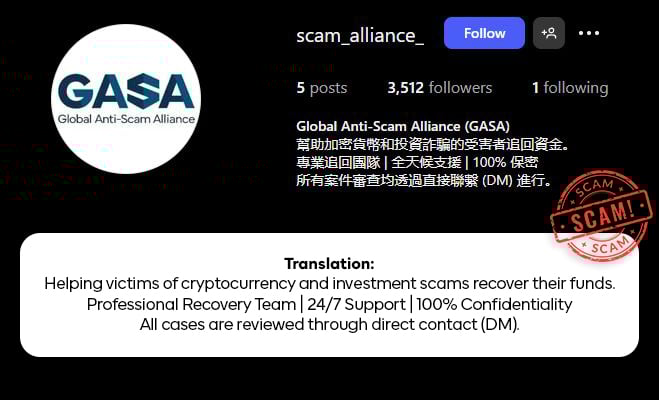
The example below shows a fake Instagram page falsely claiming to be GASA and offering crypto recovery services – something we never provide.
Gift card scams targeting GASA employees
Scammers have also targeted GASA employees with gift card scams. These emails often impersonate colleagues, partners, or senior staff and instruct the recipient to urgently purchase gift cards and share the codes. While these attacks are directed internally, they highlight how criminals attempt to misuse GASA’s name to create false authority and pressure victims.
Protecting yourself against misuse
The common factor across these scams is the misuse of GASA’s name to create a false sense of legitimacy. To protect yourself:
Verify that all emails come from @ gasa.org addresses
Register for GASA events only through our official website
Ignore unsolicited offers of recovery services, tickets, or payment requests
Be cautious of websites claiming to be GASA but not hosted on gasa.org
If you receive communication or encounter a website claiming to represent GASA and suspect it may be fraudulent, please report it to us . Your reports help us track and expose these scams.
Brazil’s BC Protege+ Blocks Fake Bank Accounts Before They Can Be Opened
Brazil’s Central Bank launched BC Protege+, allowing individuals and businesses to block bank account openings in their name. With over 1 million activations, the tool offers a structural model for reducing identity-based fraud.
-1.jpeg)
From Vienna to Global Action: Key Takeaways from the UN Global Fraud Summit
Explore key insights from our participation at the UNODC's Global Fraud Summit in Vienna. Discover how AI is changing the scam landscape, the power of national anti-scam centres, and the introduction of the Public-Private Partnership Framework to protect communities from fraud.
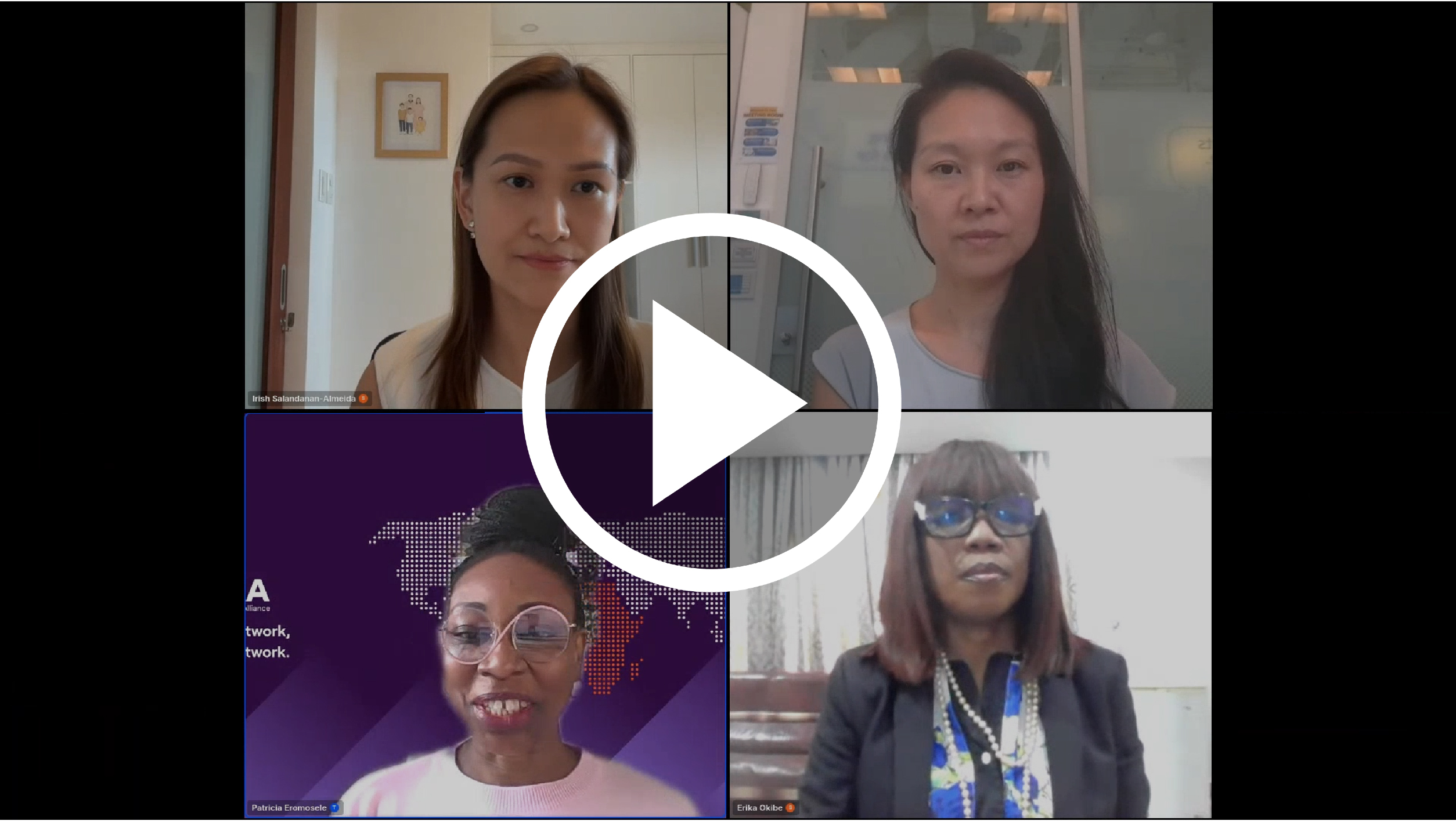
League of Protectors: Women Fighting Against Scams
Explore key insights from our International Women’s Month webinar on combating scams. Discover how women leaders are driving cross-border collaboration, digital literacy, and collective action to protect communities from fraud.
The Real Gap in Fraud Defense Is Strategy, Not AI
Fraud losses keep rising despite advances in AI detection. The real challenge is fragmented strategy across banks, platforms, telcos and governments. Effective scam prevention requires coordination, shared signals and earlier intervention.
New Executive Order on Cybercrime and Fraud Marks a More Coordinated U.S. Response
A U.S. Executive Order targets cybercrime, scams, and global fraud networks with a more coordinated government response.
Global Anti-Scam Alliance Launches Scam.org with OpenAI and Key Partners
The Global Anti-Scam Alliance (GASA) launched today Scam.org, an AI-powered platform that provides scam education, prevention, detection, reporting, and victim support.
La Industrialización del Engaño: Por qué 2026 será el año en que las estafas cibernéticas cambien para siempre
El auge de la inteligencia artificial está eliminando las señales tradicionales de alerta y transformando las estafas en un sistema industrial a gran escala.
.jpg)
The Industrialization of Deception: Why 2026 Will Be the Year Cyber Scams Change Forever
The rise of artificial intelligence is eliminating traditional warning signs and transforming scams into a large-scale industrial system.