
The European Union has removed Nigeria from its list of high-risk third countries for anti-money laundering and counter-terrorist financing, following confirmation that the country addressed deficiencies identified during the Financial Action Task Force monitoring process. The decision changes how EU-regulated entities assess Nigeria-linked financial activity, removing the automatic assumption of elevated country risk.
Nigeria’s Exit From the FATF Grey List as the Precondition for EU Delisting
Nigeria’s removal from the EU high-risk list followed its exit from the FATF grey list in October 2025, after completing a time-bound action plan under FATF’s framework for jurisdictions under increased monitoring. According to the Federal Ministry of Finance , Nigeria’s exit from the FATF grey list reflected sustained reforms across government, regulators, and financial institutions, following two years of coordinated efforts to address weaknesses in anti-money laundering and counter-terrorist financing controls.
These reforms focused on closing technical gaps and demonstrating operational impact in practice , including improvements in supervision, financial intelligence use, and coordination between competent authorities. The FATF decision confirmed that Nigeria had met the agreed conditions for removal from increased monitoring, creating the basis for subsequent changes in how international partners assessed Nigeria’s jurisdictional risk.
What Changes With EU Delisting in Practice
Removal from the EU high-risk list has direct operational implications. While Nigeria was listed, EU-obliged entities were required to apply automatic, country-based enhanced due diligence to Nigerian-linked transactions. Delisting removes that default requirement.
In practice, this means that Nigeria-linked transactions no longer trigger enhanced due diligence solely on the basis of country risk. EU-regulated firms continue to apply enhanced controls where customer behaviour, transaction patterns, or product risk justify it, but decisions are no longer driven by jurisdiction alone.
"Delisting is a major milestone, and it raises the bar for sustained performance. Keeping lower-risk treatment depends on consistent, coordinated intelligence, effective supervision, and credible enforcement. This ensures that risks are managed early, before they escalate and become headlines."
Patricia Eromosele
Director – Africa Chapter, Global Anti-Scam Alliance
Institutional Actions That Supported Delisting
EU and FATF assessments focus on effectiveness rather than formal compliance, including whether financial intelligence is generated, shared, and used in ways that support investigation and enforcement outcomes.
A central role in this process was played by the Nigeria Financial Intelligence Unit , which has been responsible for strengthening the collection, analysis, and dissemination of financial intelligence and improving coordination across supervisory, investigative, and prosecutorial authorities.
Enforcement capability also formed part of the broader effectiveness assessment. International monitoring increasingly focuses on whether financial intelligence leads to investigation, prosecution, and disruption outcomes, including in cases involving complex and digitally facilitated financial crime such as online fraud and cross-border scam networks. In Nigeria, this has involved the work of law enforcement bodies such as the Economic and Financial Crimes Commission , operating within a wider inter-agency framework rather than as a standalone driver of reform.
What This Development Demonstrates
Nigeria’s removal from the EU high-risk list reflects a shift in how the country is assessed within international AML and counter-terrorist financing frameworks. The decision shows how progress under FATF monitoring can translate into tangible changes in regulatory treatment where reforms demonstrate effectiveness in practice.
At the same time, the delisting does not represent a permanent reclassification. EU risk assessments remain dynamic , and continued access to lower-risk treatment depends on the sustained operation of supervisory, intelligence, and enforcement mechanisms.
For regulators and market participants, the decision reduces automatic compliance friction linked to country risk, while preserving expectations around proportionate, risk-based controls. Nigeria’s position within the EU AML framework will therefore continue to be shaped by outcomes over time, rather than by milestones alone.
Sign up to the GASA newsletter for regular updates on scam prevention, research, and best practices.
About the Author
James Greening is a Digital Content Manager at the Global Anti-Scam Alliance (GASA), where he writes on cyber-enabled fraud and developments in the global fight against online scams. He previously founded Fake Website Buster, a project dedicated to identifying and raising awareness of fraudulent websites.
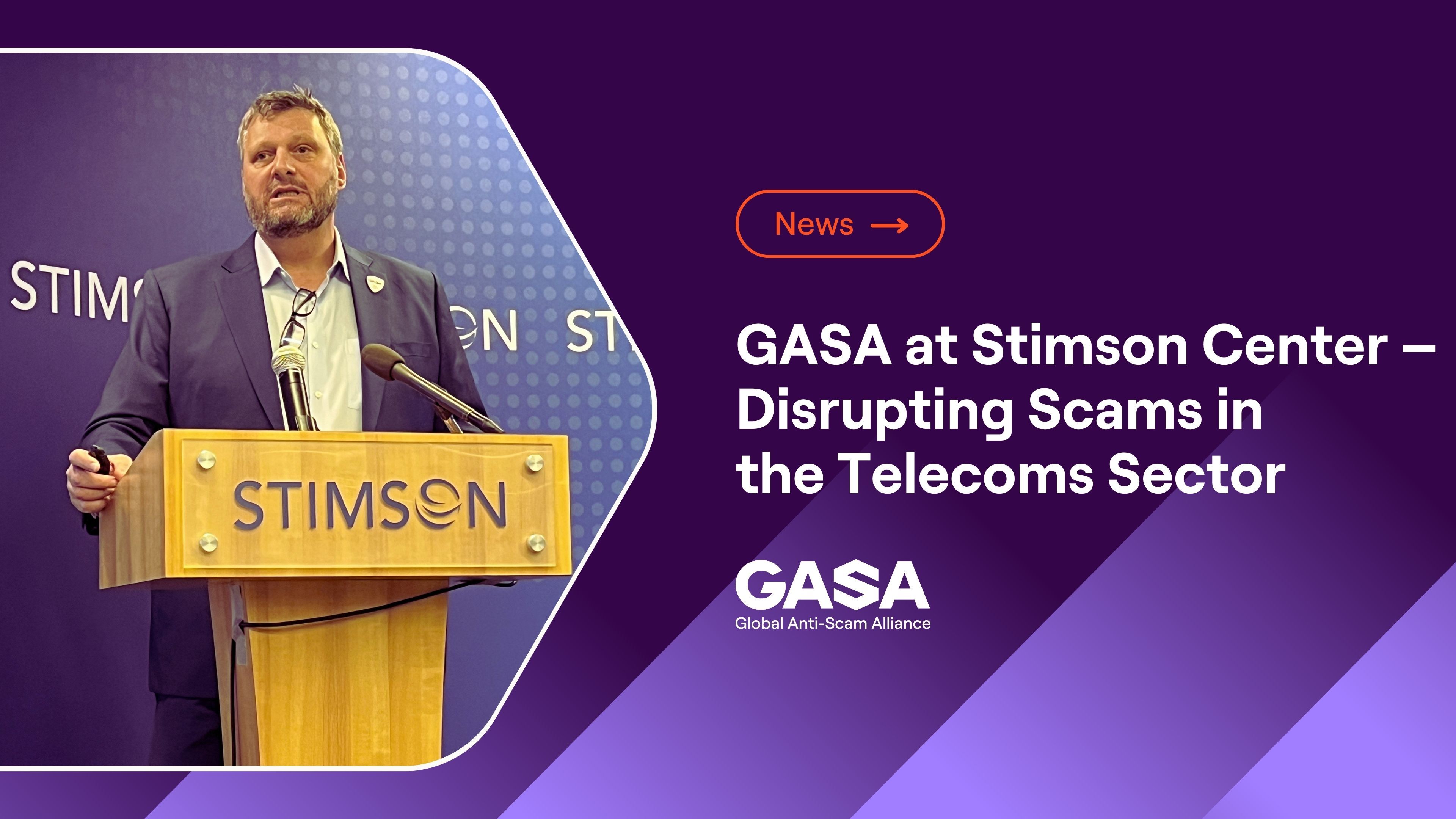
Telecoms on the Front Line: GASA at the Stimson Center Dialogue on Combating Scams
According to GASA’s Global State of Scams Report, telecommunications channels—voice and SMS in particular—remain a predominant “front door” for scams.

What Really Works in Preventing Fraud Against Older Adults? Insights from Frontline Practitioners
Expert insights on preventing fraud against older adults, highlighting the role of technology, targeted education, bank intervention, and coordinated partnerships.

Brazil’s BC Protege+ Blocks Fake Bank Accounts Before They Can Be Opened
Brazil’s Central Bank launched BC Protege+, allowing individuals and businesses to block bank account openings in their name. With over 1 million activations, the tool offers a structural model for reducing identity-based fraud.
-1.jpeg)
From Vienna to Global Action: Key Takeaways from the UN Global Fraud Summit
Explore key insights from our participation at the UNODC's Global Fraud Summit in Vienna. Discover how AI is changing the scam landscape, the power of national anti-scam centres, and the introduction of the Public-Private Partnership Framework to protect communities from fraud.

League of Protectors: Women Fighting Against Scams
Explore key insights from our International Women’s Month webinar on combating scams. Discover how women leaders are driving cross-border collaboration, digital literacy, and collective action to protect communities from fraud.
The Real Gap in Fraud Defense Is Strategy, Not AI
Fraud losses keep rising despite advances in AI detection. The real challenge is fragmented strategy across banks, platforms, telcos and governments. Effective scam prevention requires coordination, shared signals and earlier intervention.

New Executive Order on Cybercrime and Fraud Marks a More Coordinated U.S. Response
A U.S. Executive Order targets cybercrime, scams, and global fraud networks with a more coordinated government response.
Global Anti-Scam Alliance Launches Scam.org with OpenAI and Key Partners
The Global Anti-Scam Alliance (GASA) launched today Scam.org, an AI-powered platform that provides scam education, prevention, detection, reporting, and victim support.