
.jpg?width=833&height=469&name=Blog%20(2).jpg)
Until now, when we talked about cyber threats we visualized sophisticated hackers furiously typing code, attacking the back-end security systems of big banks and national government agencies. But the most devastating threat we'll face in 2026 requires no technical expertise: artificial intelligence is turning everyday scams into a perfectly oiled and user-friendly machine, one that anyone with basic internet literacy can use to attack us.
The paradox we all live
In our Global State of Scams 2025 Report , for which we surveyed 46,000 people in 42 countries, we highlight that 57% of adults in the world were victims of a scam in the last year, and 23% lost money . Shopping scams affected more than half of the victims; investment and unexpected money scams almost half.
Here comes the paradox: 74% of people surveyed expressed confidence in their ability to identify a scam, and 93% said they check offers before trusting them. But how are they verifying a vendor or site’s validity? Looking for spelling mistakes (27%), reading reviews on the same suspicious site (24%), or checking if the company is on social media (21%). Methods that, sadly, no longer work.
Mexico: When Trust Collides with Reality
In Mexico, this paradox becomes even more dramatic. According to our Mexico State of Scams 2025 Report, 76% of Mexicans are confident they can recognize a scam, but 59% were scammed last year . The most revealing: 63% of those who consider themselves capable of identifying scams ended up being victims . Even those who claim to "always recognize scams" lost MX$4,836 on average.
The reason is simple and scary: in 2024 Mexicans were already facing an average of 86 scam attempts a year — one every four days. They arrived via WhatsApp (78% of cases), Facebook (46%), phone calls (67%) and text messages (49%). It doesn't matter how smart you are; when you get bombarded so often, you eventually let your guard down. This Mexican scenario is a window to the global future: when AI multiplies 86 annual encounters to hundreds or thousands, no level of "being alert" is enough.
2026: When AI makes red flags invisible
Artificial intelligence is already eliminating the risk signals we all have learned to look for. Those spelling mistakes that 27% of people use to detect fraud are disappearing. Fake reviews are becoming convincing enough to fool experts. The profiles on social networks are becoming increasingly robust, offering evidence that suggests years of valid commercial or personal activity.
Tools like FraudGPT are democratizing fraud through "Scam-as-a-Service." Anyone, without technical knowledge, can now buy complete kits to launch massive and personalized campaigns. Millions of scammers are getting access to an automated factory of perfect lies.
Voice and video deepfakes will soon outperform our ability to verify, if they haven’t already.
Imagine receiving a video call from your bank with an executive you recognize, or an urgent call with your child's voice asking for help. In Mexico, where 67% of scams already arrive by phone, cloned voices will be devastating.
WhatsApp, the favorite channel of scammers in Mexico (78%), will distribute messages that take into consideration your purchase history, your interests, even your way of writing. They will be contextually indistinguishable from the real communications they are emulating.
The human cost that is not counted
Beyond the money lost, our report documents something that is rarely mentioned: 69% of victims reported severe stress after a scam, 17% lost self-confidence, and 14% experienced family tensions . They are people who have stopped sleeping, who no longer trust anyone, who carry shame and guilt.
With AI multiplying the volume and sophistication of scams, these emotional impacts will be amplified. Older adults will face scammers with cloned voices of their grandchildren. Small businesses will receive counterfeit emails indistinguishable from the real thing. Communities with less digital literacy will be left completely defenseless.
And there is something more alarming: many victims never report what happened to them
because they do not know where to do it or because they feel shame. With AI helping to generate millions of scams daily, whistleblowing channels could easily collapse from the volume, reinforcing algorithmic impunity.
The point of no return
2026 is marking the moment when no digital communication can be presumed authentic without extraordinary verification. We will no longer be able to rely on an email, a call, a message, or even a video. This erosion of trust will cripple digital trade, fracture our social fabric, and deepen the gap between those who have the resources to protect themselves and those who don't.
The infrastructure for this crisis already exists. We are not talking about science fiction; we are talking about technologies available today that will reach their critical point next year.
The question is no longer whether artificial intelligence will transform cyber scams into an industrial threat. The question is whether our defenses — technological, regulatory, educational — will evolve quickly enough to protect ordinary people in this new era from perfect deception.
From GASA Mexico , we will continue working to make this crisis visible, educating the population and pushing for effective public policies. Because when one in four Mexicans is already being scammed every year, we cannot wait for 2026 to catch us unprepared.
About the Author
Sissi De La Peña is a policy strategist and technologist with more than 15 years of international experience across Latin America, the United States, and the United Kingdom.
She leads the Mexico Chapter of the Global Anti-Scam Alliance and is the founder of The DoT Network, an initiative focused on cybersecurity and emerging technologies.
Throughout her career, she has held key roles within the Digital Strategy of the Presidency of Mexico, the Latin American Internet Association, and the National Artificial Intelligence Alliance in the Mexican Congress.

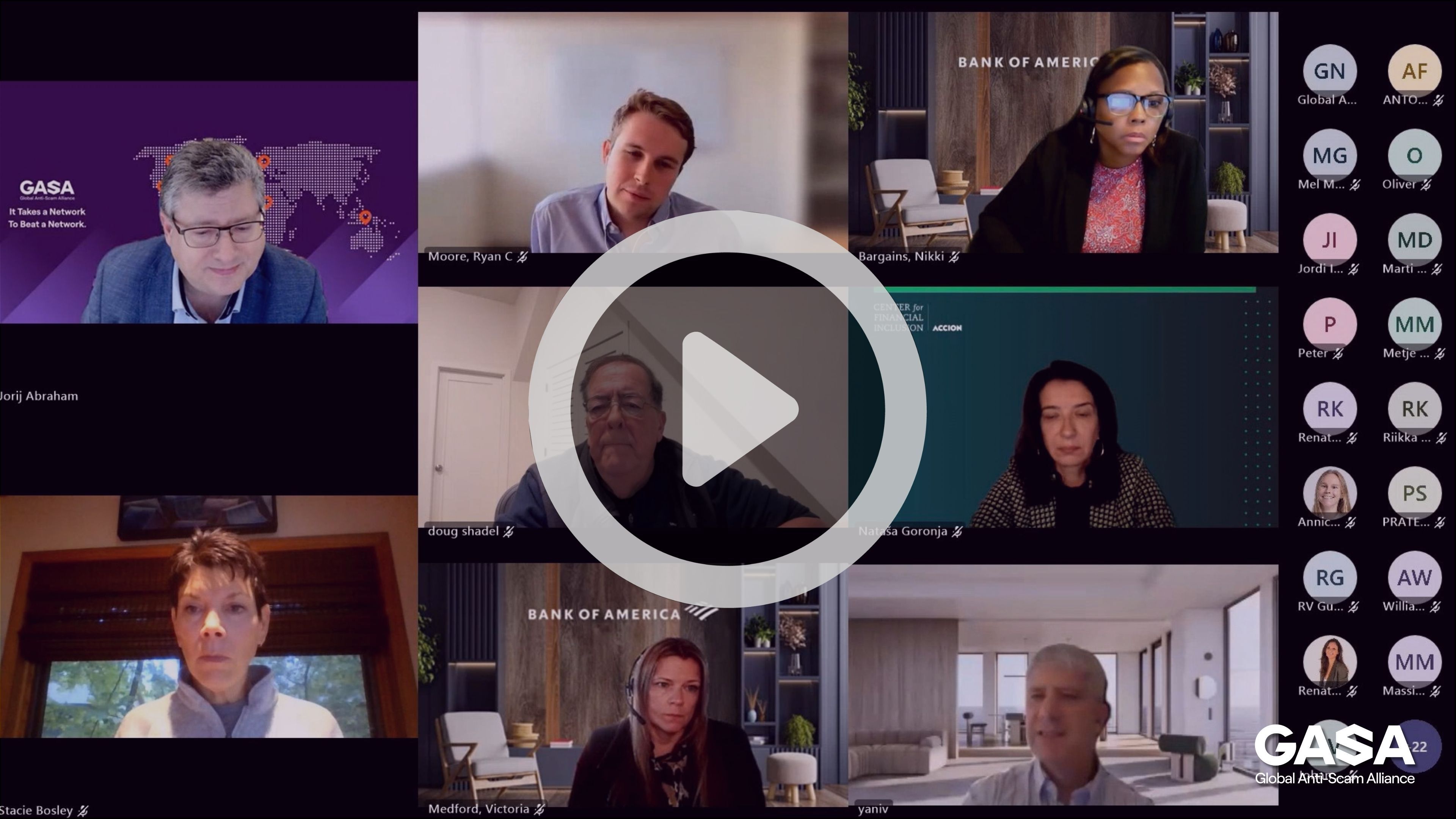
Research Working Group Meeting: Fraudulent Tickets and Robocall Scam Tactics
Research presented to GASA examines consumers’ ability to spot fraudulent tickets and tactics found across 4.49 million scam and spam robocalls.
-2.jpg)
Fighting Fraud Without Borders: Cross-Regional Collaboration in Latin America and Beyond
A roundtable at GASS America examined cross-regional collaboration in Latin America and beyond, focusing on fraud prevention, consumer protection and response.
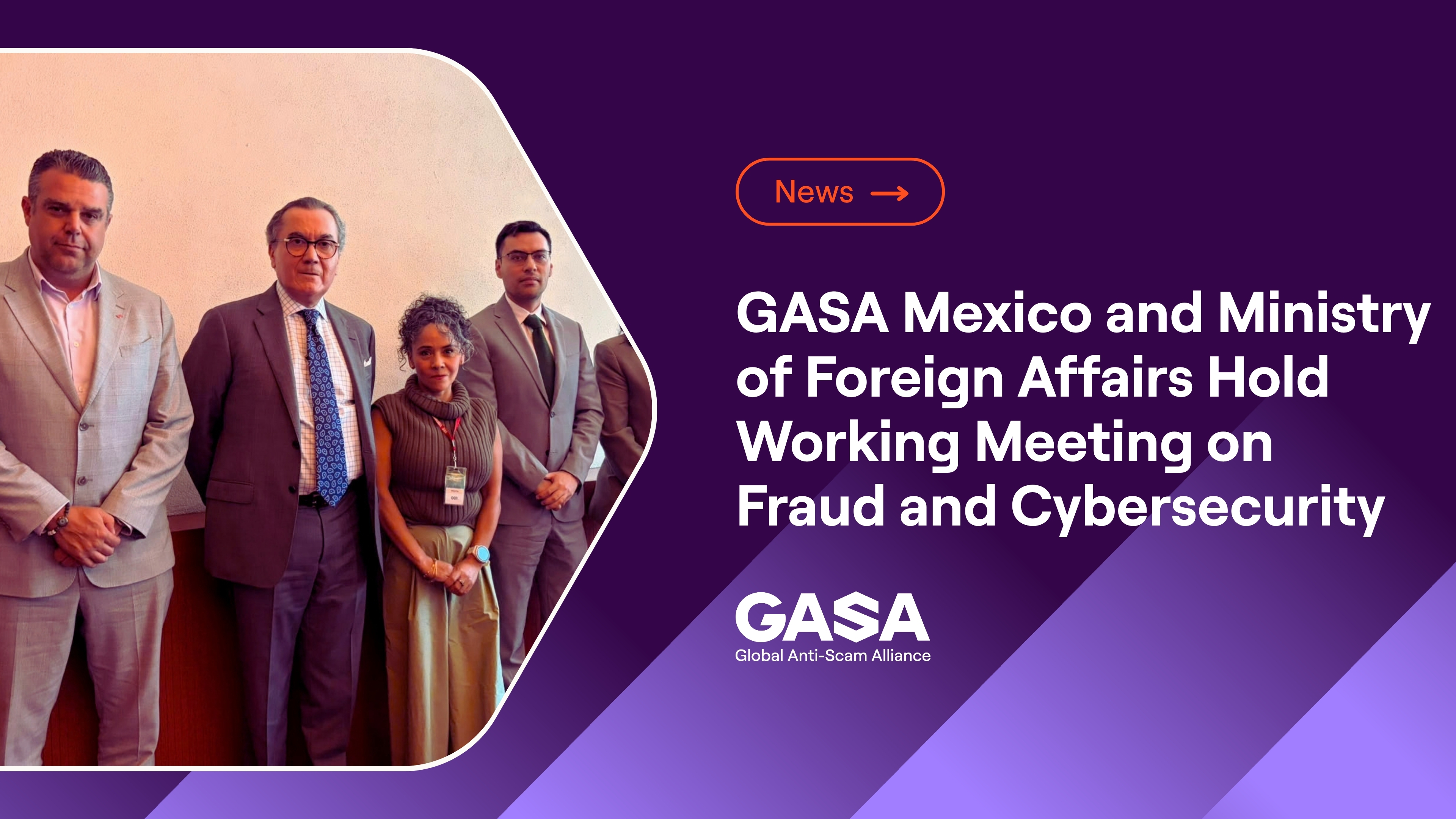
GASA Mexico and the Ministry of Foreign Affairs Hold Working Meeting Ahead of the Chapter’s Annual Forum, “From Coalition to Action”
GASA Mexico and the Ministry of Foreign Affairs convened Mastercard and Scotiabank to discuss fraud, cybersecurity, information sharing and emerging technologies.
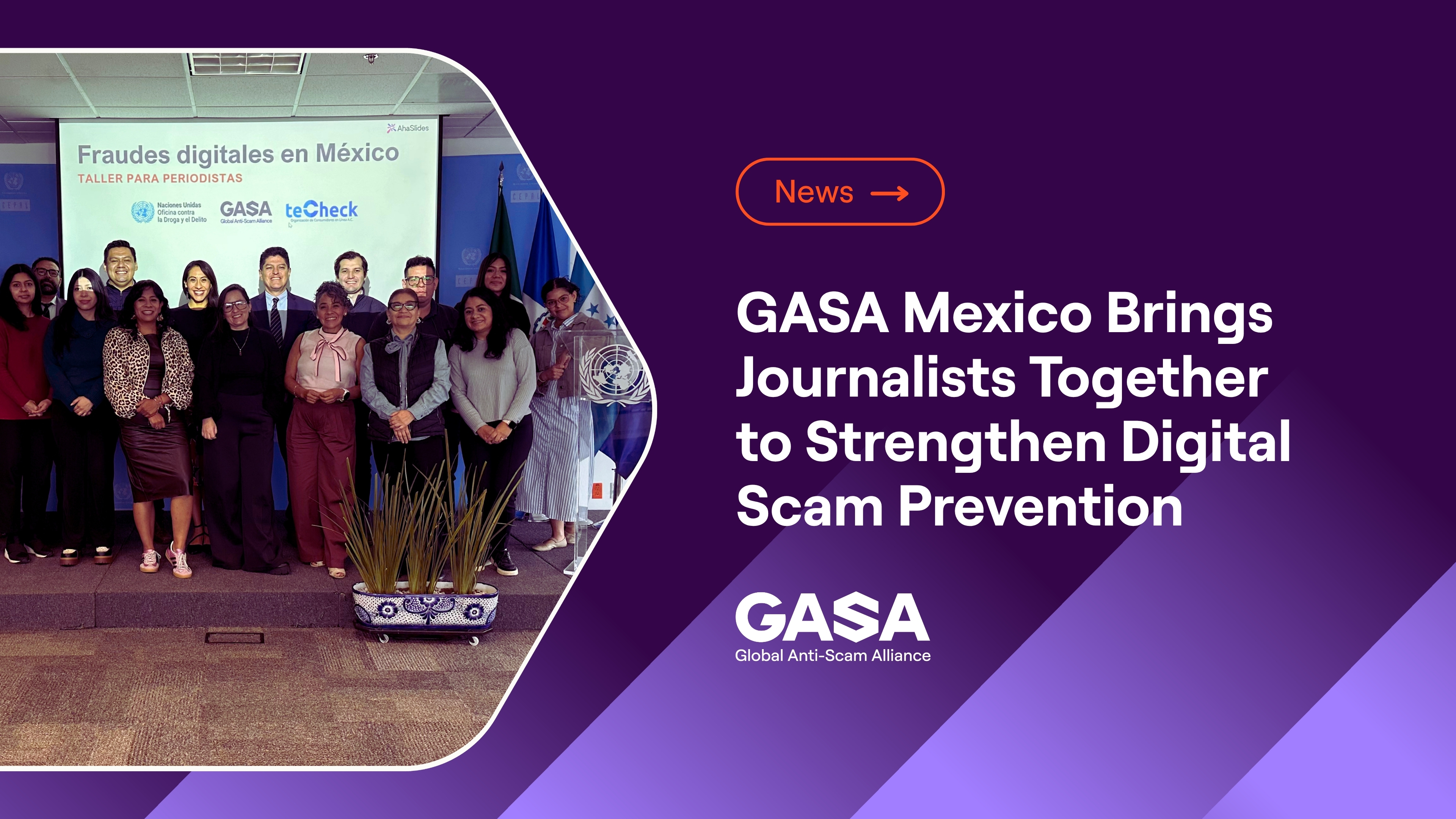
GASA Mexico Workshop Examines the Role of Journalism in Digital Scam Prevention
GASA Mexico brought together journalists and editors to discuss digital scams, victim-centred reporting and the role of media in scam prevention.

Brazil Anti-Scam Forum 2026: Key Takeaways on Strengthening Scam Prevention in Brazil
Key insights from the Brazil Anti-Scam Forum 2026 on scam trends, prevention, intelligence sharing and cross-sector collaboration.

GASA Consumer Education Working Group Develops 5-Step Response Plan for Scam Victims
GASA’s Consumer Education Working Group sets out a five-step response plan that organisations can use and share to support people affected by scams.

GASA and UNODC Partner to Strengthen Global Response to Organised Fraud
GASA and UNODC sign an MoU to strengthen international cooperation on fraud prevention, research, criminal justice responses and awareness.
Meet the Winners – Scam Fighter Awards at the Global Anti-Scam Summit America 2026
Meet the winners of the Scam Fighter Awards at the Global Anti-Scam Summit America 2026 and learn about their work in education, research, collaboration and technology.