
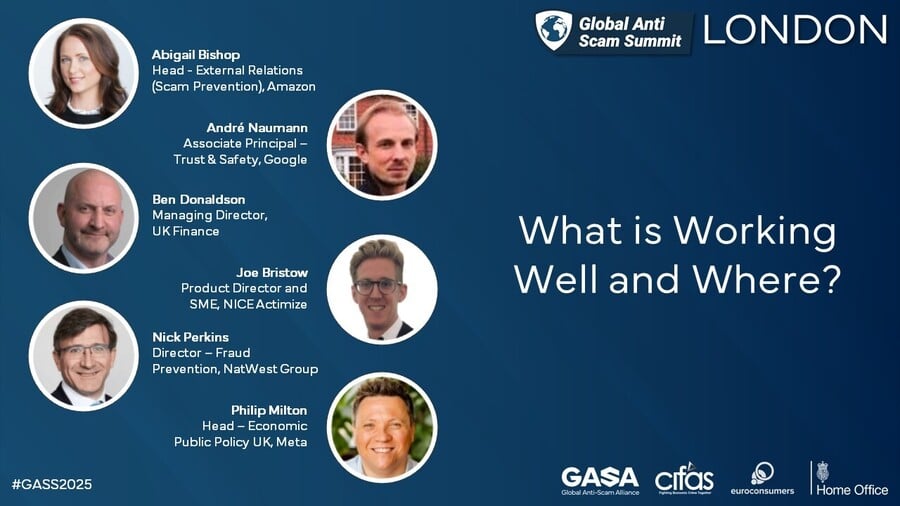
Date of Event: 26–27 March 2025
Event: Global Anti-Scam Summit London 2025
This practical session explored success stories in cross-sector data and intelligence sharing, diving into what works and where progress is being made in the fight against scams. Speakers shared lessons from the FIRE programme, Scam Signal, and other initiatives connecting platforms, banks, telcos and enforcement agencies.
Meta, NatWest and NICE Actimize showcased the outcomes of collaborative efforts that are scaling quickly. From disrupting scam networks via platform-bank data exchange, to using consortium insights to improve payment screening models, these examples demonstrated the power of targeted, high-fidelity data sharing. The UK’s Scam Signal project, meanwhile, highlighted how banks and telecoms can jointly detect impersonation fraud.
The panel also surfaced key challenges: trust, fragmentation, legal frameworks and incentives. But rather than wait for global regulation to catch up, speakers stressed the need to act now with what data can be shared—and use results to push for further cooperation. While fraudsters operate globally, data sharing efforts have often remained local and siloed. That’s changing.
Speakers included Mike Haley (Cifas), Abigail Bishop (Amazon), Ben Donaldson (UK Finance), Joe Bristow (NICE Actimize), Nick Perkins (NatWest Group), Philip Milton (Meta), and Mark Thomas (Meta).
Watch the full discussion below.

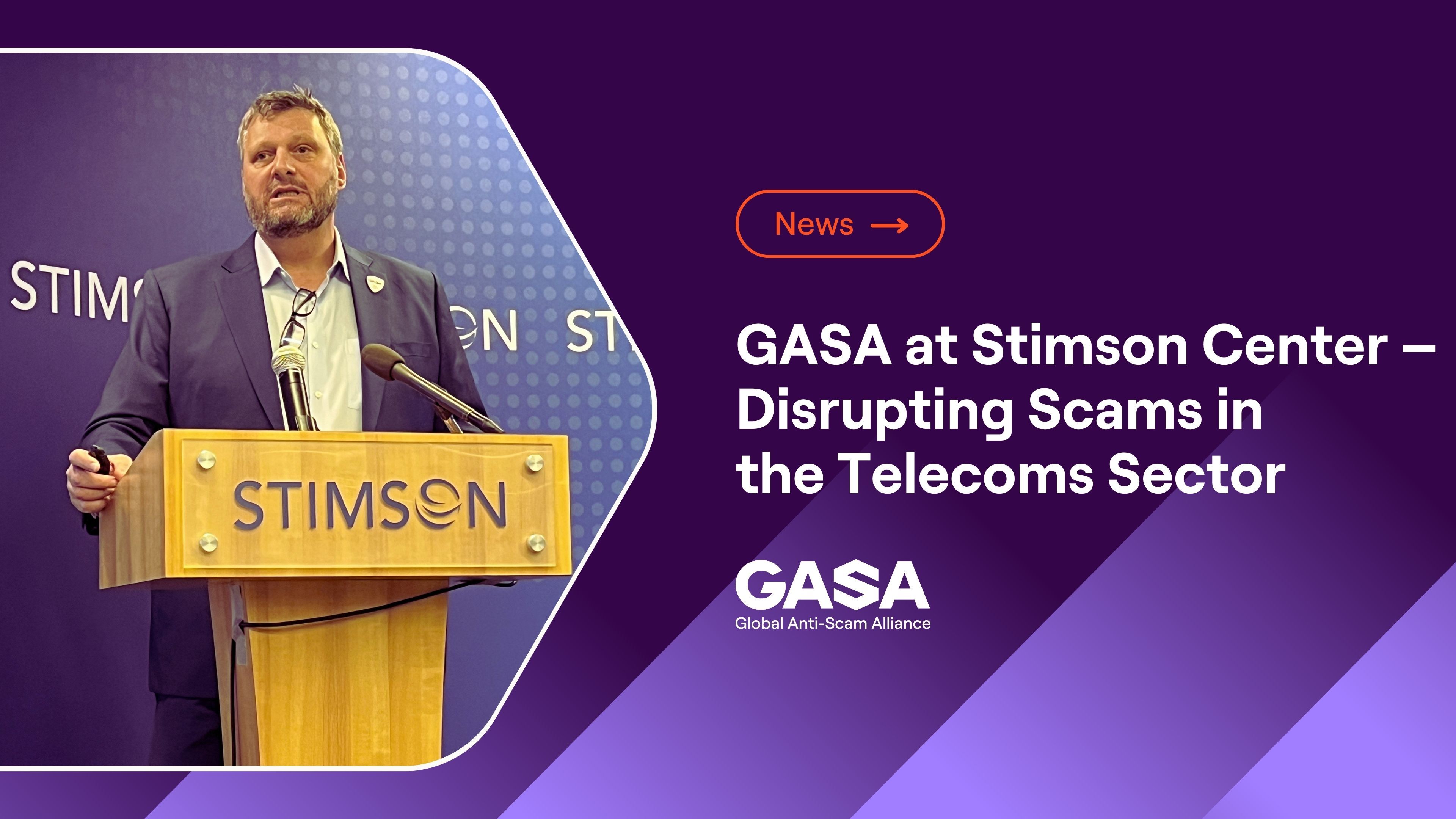
Telecoms on the Front Line: GASA at the Stimson Center Dialogue on Combating Scams
According to GASA’s Global State of Scams Report, telecommunications channels—voice and SMS in particular—remain a predominant “front door” for scams.
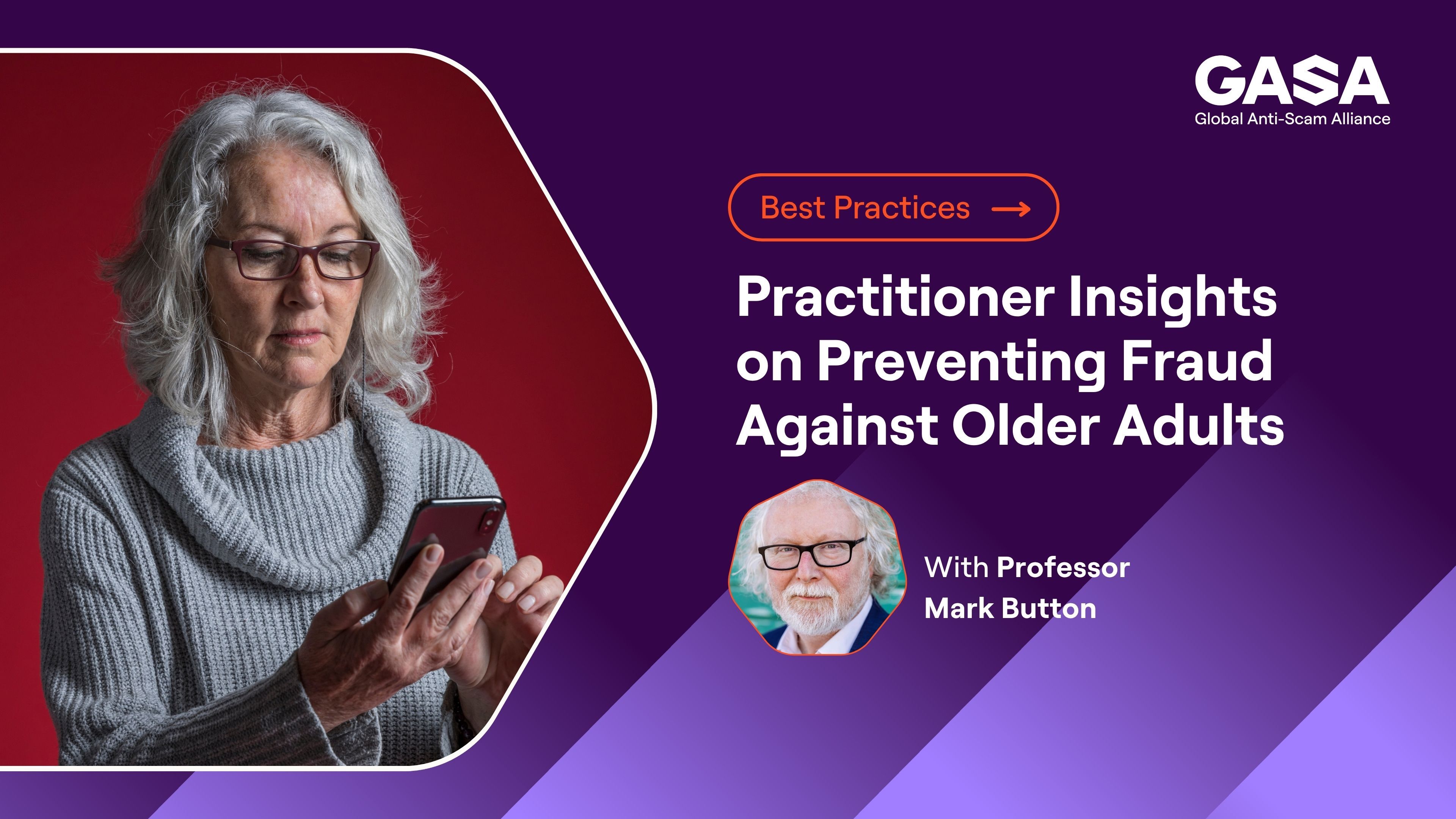
What Really Works in Preventing Fraud Against Older Adults? Insights from Frontline Practitioners
Expert insights on preventing fraud against older adults, highlighting the role of technology, targeted education, bank intervention, and coordinated partnerships.
Brazil’s BC Protege+ Blocks Fake Bank Accounts Before They Can Be Opened
Brazil’s Central Bank launched BC Protege+, allowing individuals and businesses to block bank account openings in their name. With over 1 million activations, the tool offers a structural model for reducing identity-based fraud.
-1.jpeg)
From Vienna to Global Action: Key Takeaways from the UN Global Fraud Summit
Explore key insights from our participation at the UNODC's Global Fraud Summit in Vienna. Discover how AI is changing the scam landscape, the power of national anti-scam centres, and the introduction of the Public-Private Partnership Framework to protect communities from fraud.
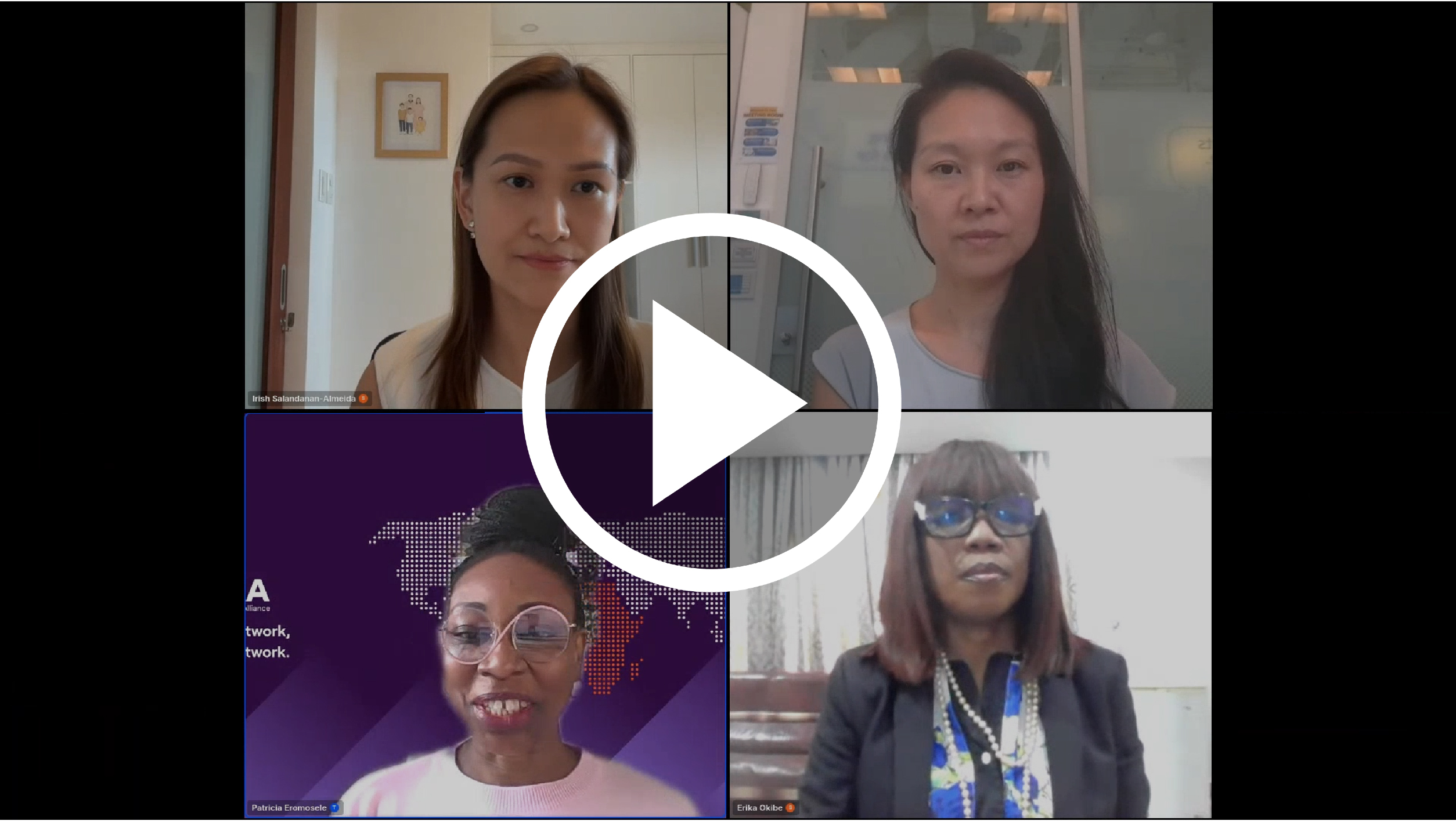
League of Protectors: Women Fighting Against Scams
Explore key insights from our International Women’s Month webinar on combating scams. Discover how women leaders are driving cross-border collaboration, digital literacy, and collective action to protect communities from fraud.
The Real Gap in Fraud Defense Is Strategy, Not AI
Fraud losses keep rising despite advances in AI detection. The real challenge is fragmented strategy across banks, platforms, telcos and governments. Effective scam prevention requires coordination, shared signals and earlier intervention.
New Executive Order on Cybercrime and Fraud Marks a More Coordinated U.S. Response
A U.S. Executive Order targets cybercrime, scams, and global fraud networks with a more coordinated government response.
Global Anti-Scam Alliance Launches Scam.org with OpenAI and Key Partners
The Global Anti-Scam Alliance (GASA) launched today Scam.org, an AI-powered platform that provides scam education, prevention, detection, reporting, and victim support.