
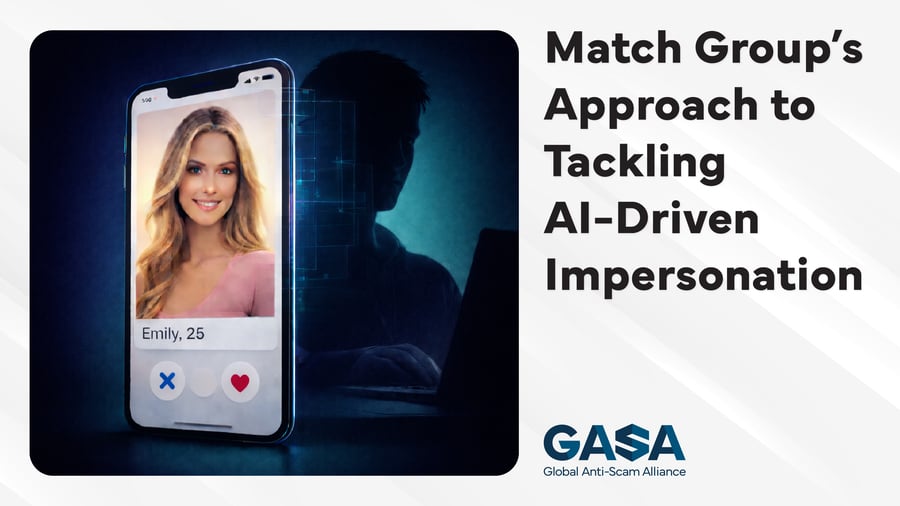
As online activity becomes more complex and scammers increasingly use AI-generated identities, deepfake videos, and coordinated tactics that span dating platforms, messaging services, and payment channels, traditional moderation approaches are no longer sufficient. Protecting users now requires continuous adaptation, improved data sharing across industries, and targeted measures to disrupt scam activity.
These dynamics are shaping the trust and safety measures implemented by Match Group across its dating platforms.
About Match Group
Match Group operates a large and diverse portfolio of online dating platforms, including Tinder, Hinge, Match, Meetic, OkCupid, Pairs , and OurTime .
With many years of experience facilitating online connections, the company has developed a range of trust and safety practices aimed at reducing risks such as romance scams, fraud, and other malicious activity.
As a founding member of the Tech Against Scams Coalition (TASC), it participates in cross-industry efforts to address emerging scam trends and continues to invest in new technologies and user education initiatives to help strengthen protection across its platforms. This approach allows patterns, emerging threats, and scam behaviours to be identified across multiple markets.
Face Check Biometric Verification Technology
Face Check is a biometric verification system designed to confirm that a user’s profile photos correspond to a real person. The system compares profile images with a real-time selfie video to assess whether the individual behind an account matches the images they have uploaded.
Unlike static photo verification methods, which can be exploited using stolen or AI-generated images, Face Check incorporates l iveness detection and three-dimensional mapping to verify that the verification is performed by a real person in real time. The verification process is privacy-focused : biometric data is processed for verification purposes and not retained long term.
Users are prompted to record a short video selfie following specific instructions, such as turning their head or changing facial expressions. The system analyses this video against existing profile images to confirm a match and to assess liveness indicators.
By requiring real-time video input, the system aims to make impersonation more difficult, particularly as scammers increasingly rely on AI-generated images. Accounts that fail verification may be flagged for review or restricted from certain features.
Face Check has been deployed on Tinder in several markets, including the United States, Australia, India, and parts of Southeast Asia, with further rollout planned across additional brands and regions.
When combined with other safety initiatives, early results reported by the company indicate measurable changes in user safety outcomes. These include a reduction of more than 60 percent in exposure to potential bad actors, a decrease of over 40 percent in reports involving bad actors, and improvements in users’ reported perceptions of authenticity and trust. Together, these results reflect how identity verification and related controls are influencing user experiences within online dating environments.
Coalition Participation and Consumer Awareness Initiatives
Match Group is a founding member of the Tech Against Scams Coalition (TASC) , which brings together organisations from multiple digital sectors, including social platforms, dating services, and fintech, to share intelligence on scam activity and coordinate responses.
Through this collaboration, the company participates in information sharing related to scam networks, fraudulent payment flows, and emerging tactics that operate across platforms. The coalition model is intended to support faster identification and disruption of scam activity that spans multiple services, where participating organisations are able to act on shared intelligence.
Beyond collaboration with other organisations, Match Group also supports consumer awareness initiatives aimed at reducing susceptibility to social engineering and romance scams. This includes participation in educational campaigns such as Scamberry Pie , which focuses on helping users recognise common scam tactics, understand how manipulation occurs, and make safer decisions when interacting online. These initiatives are designed to complement technical controls by addressing behavioural risk factors that scammers frequently exploit.
Additional Safety Measures
Beyond identity verification and coalition participation, Match Group employs a range of safety controls across its platforms, including:
In-app prompts that alert users when conversations display indicators commonly associated with romance scams, such as sudden financial requests or high-pressure behaviour
Cross-brand intelligence sharing , allowing patterns identified on one service to inform detection on others
Human review teams that assess edge cases and emerging scam techniques that may not be captured through automated systems alone
These measures are intended to complement automated detection by incorporating human judgement and behavioural context.
Closing
Online scams increasingly exploit trust, emotion, and movement across platforms, creating challenges that extend beyond any single service. Match Group’s approach illustrates how early detection, identity verification, user awareness initiatives , and cross-sector collaboration can be applied together to help interrupt scam journeys and reduce risk within online dating platforms.
Stay informed. Sign up for the GASA Newsletter to receive the latest global best practices, scam trends, and insights from across the anti-scam community.

Brazil Anti-Scam Forum 2026: Key Takeaways on Strengthening Scam Prevention in Brazil
Key insights from the Brazil Anti-Scam Forum 2026 on scam trends, prevention, intelligence sharing and cross-sector collaboration.

GASA Consumer Education Working Group Develops 5-Step Response Plan for Scam Victims
GASA’s Consumer Education Working Group sets out a five-step response plan that organisations can use and share to support people affected by scams.
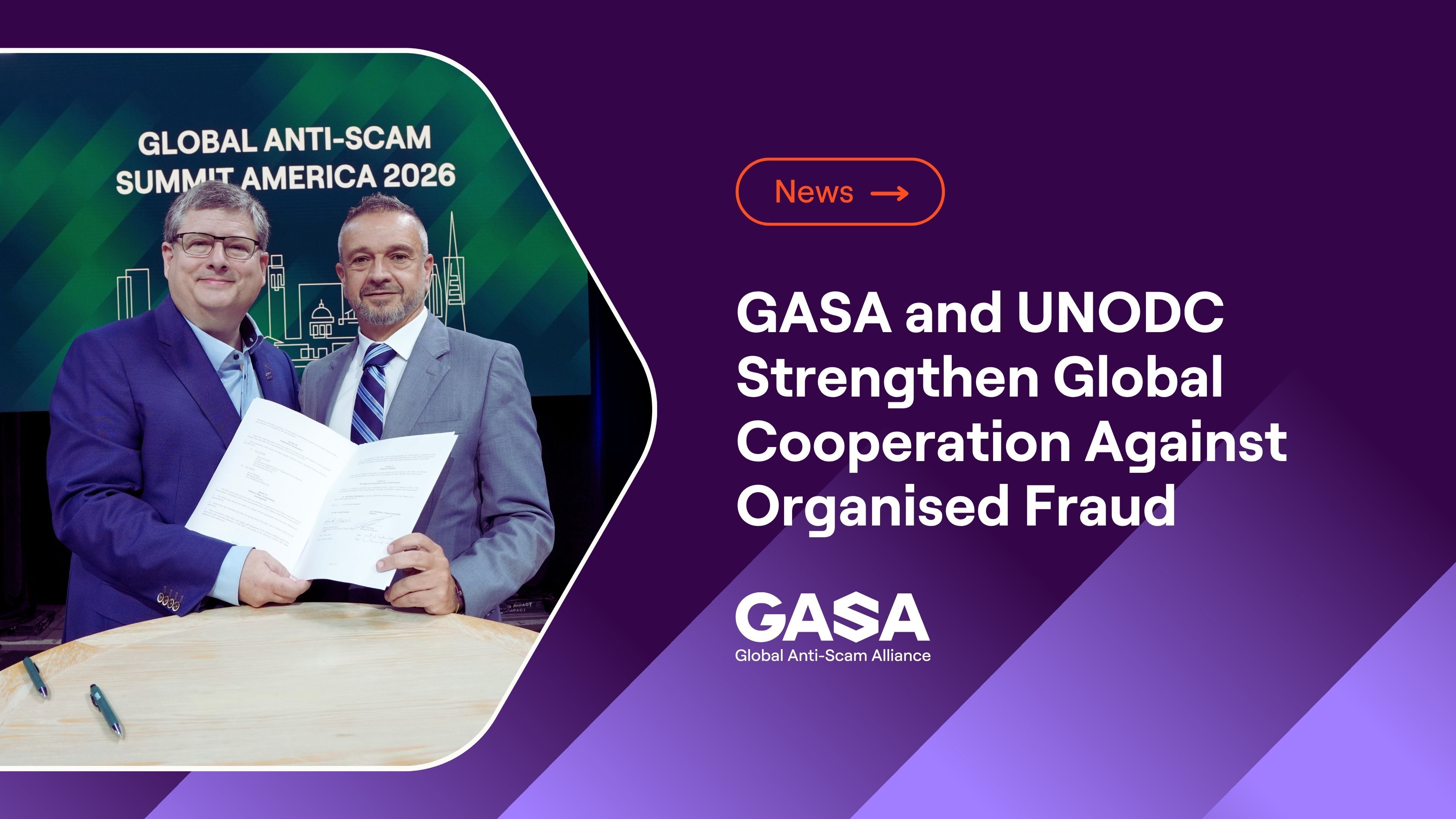
GASA and UNODC Partner to Strengthen Global Response to Organised Fraud
GASA and UNODC sign an MoU to strengthen international cooperation on fraud prevention, research, criminal justice responses and awareness.
Meet the Winners – Scam Fighter Awards at the Global Anti-Scam Summit America 2026
Meet the winners of the Scam Fighter Awards at the Global Anti-Scam Summit America 2026 and learn about their work in education, research, collaboration and technology.

Global Anti-Scam Alliance Partners with TruthScan to Integrate Deepfake Detection on scam.org
Users of scam.org will now be able to upload an image to the website for analysis to determine whether the image is authentic, edited, or generated by artificial intelligence.
From Information Sharing to Intelligence Production: GASA Mexico in Forbes
Sissi de la Peña, Director of the GASA Mexico Chapter, examines in Forbes México what the U.S. memorandum on cyber operations against fraud networks means for the country.
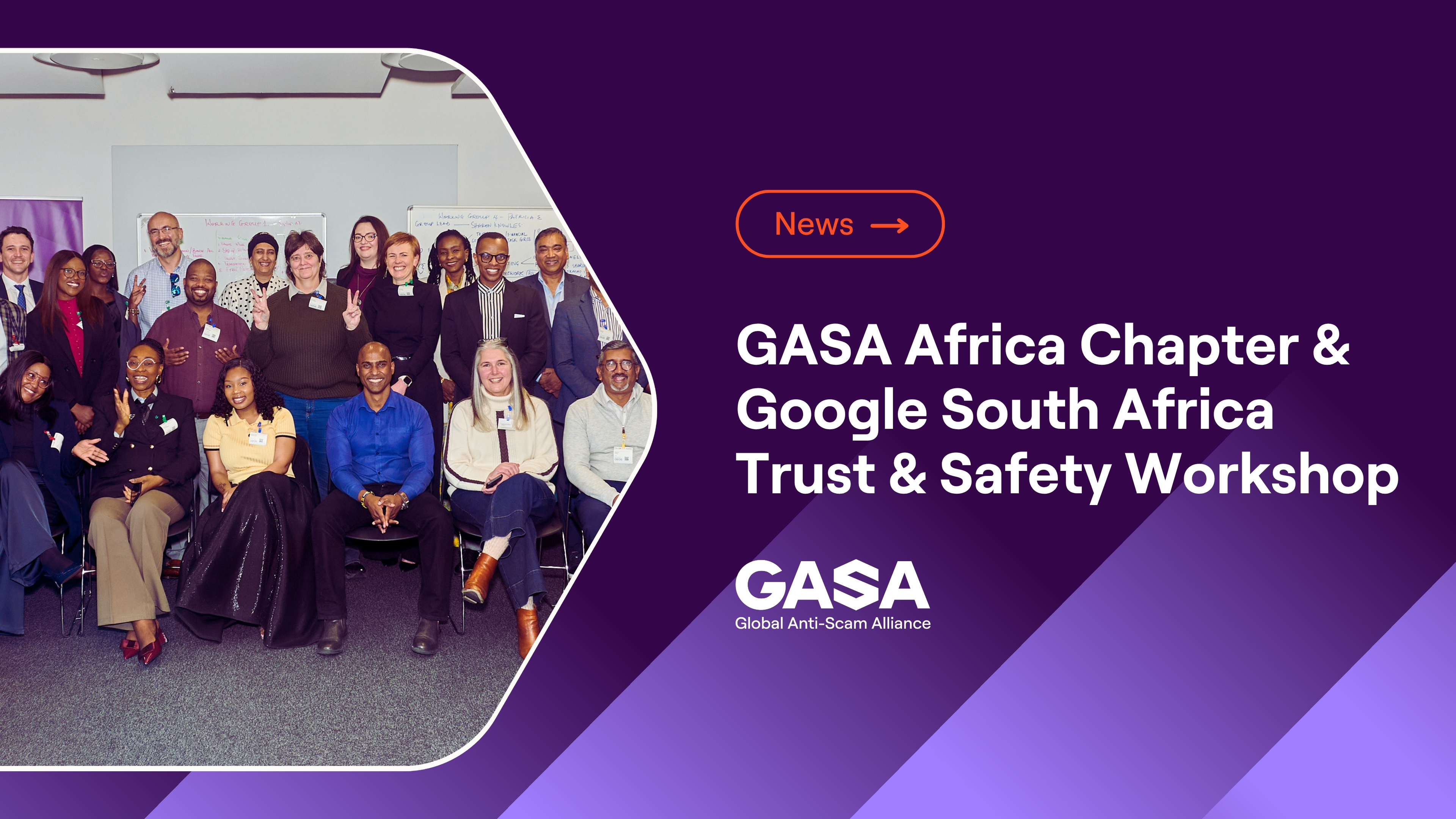
GASA and Google Trust & Safety Workshop Sets Priorities for Anti-Scam Cooperation Across Africa
GASA Africa Chapter and Google South Africa brought anti-fraud leaders together to strengthen cross-border cooperation and scam prevention.
Allstate Identity Protection Joins the Global Anti-Scam Alliance to Strengthen the Fight Against Scams and Identity Theft
Allstate Identity Protection has joined the Global Anti-Scam Alliance (GASA) as a Corporate Member within the North America Chapter.