
Every year, ScamAdviser analyzes the willingness of consumers to buy fake and counterfeit products online. This year, 1,102 consumers participated in the study from across the world.
While all income groups, educational categories, age levels and continents are represented, it is interesting to note that mostly men (63%) participated. This trend is identical to previous year's survey, where 65% of the participants were men, suggesting that men may be buying more counterfeit than generally thought.
65% say they are good at identifying fakes
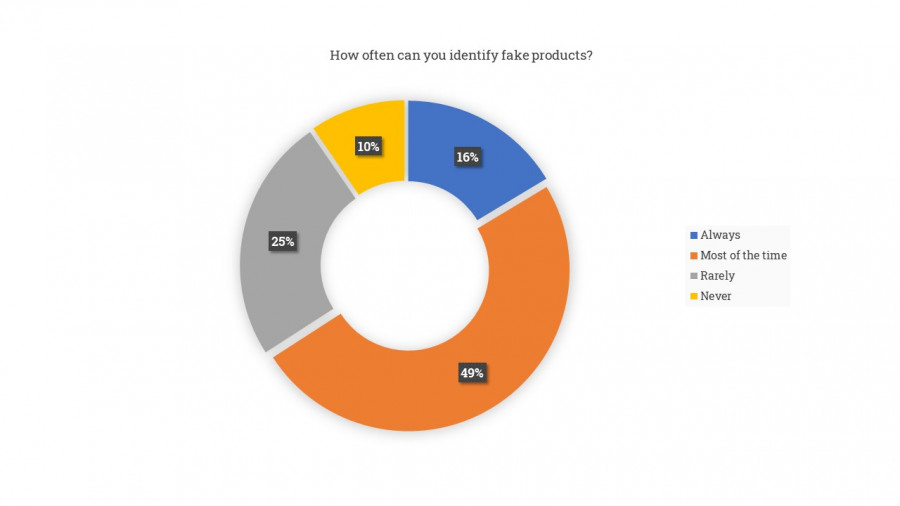
Most consumers (65%) consider themselves capable of identifying counterfeits. This is especially the case for Clothing, Accessories and Consumer Electronics. Only 10% admit they are unable to identify fakes. Consumers doubt their ability to recognize fakes Medicines and Toys.
75% of all consumers have bought counterfeits
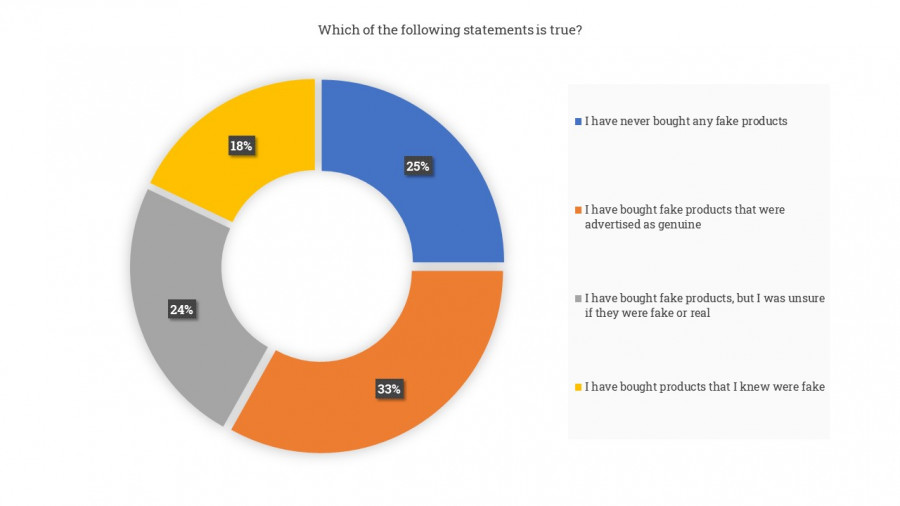
Still, 57% of the consumers have bought a fake product in the past unknowingly or doubting the originality of the product. 18% admit to knowingly having bought fakes. Clothing, electronics and accessories are the most commonly purchased fake products.
Websites, not marketplaces, are the main purchase channel
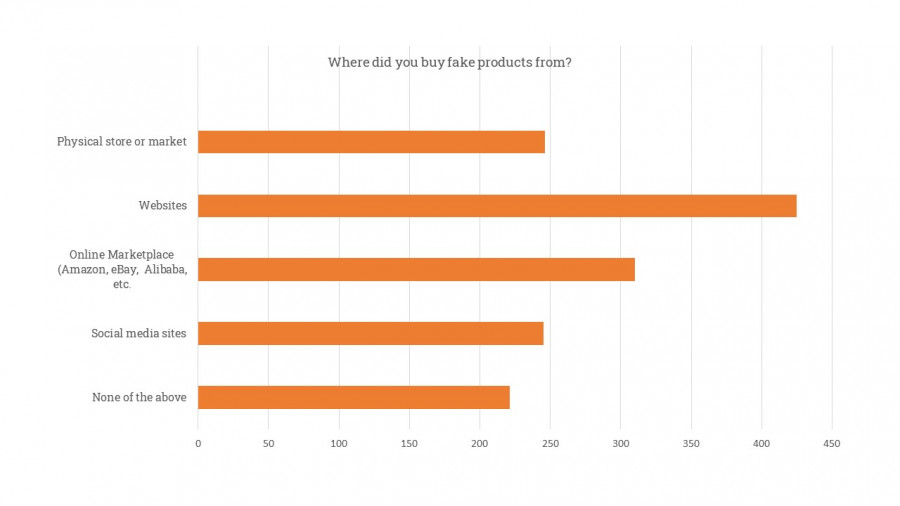
The focus of brand protection agencies has shifted to online marketplaces in recent years. However, remarkably, websites (39%) are by far the most popular channel to buy counterfeits. This channel is followed by online marketplaces like Amazon, eBay and Alibaba (28%). Physical stores and social media sites are both named by 22% of consumers each.
28% of consumers consider buying a Corona vaccine online
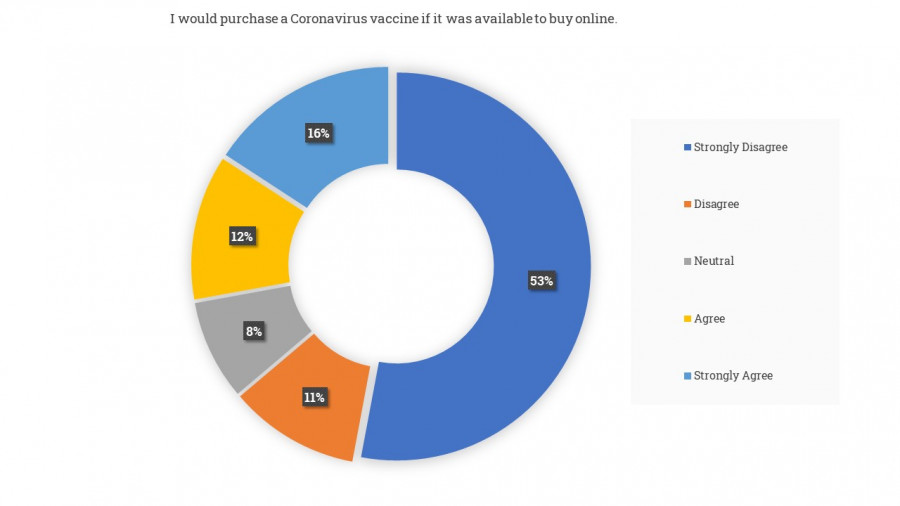
As an additional research question, ScamAdviser this year asked if the respondent would buy a Coronavirus vaccine online. 64% disagreed that they would purchase it online. However, 28% stated they would buy the vaccine online, especially if the authenticity can be guaranteed (25%) or the product is sold by an official source (28%). This leaves the door open to scammers selling either fake or illegal COVID vaccines online.
Consumers are dissuaded by fears, not ethics
Consumers buy fakes primarily as they believe that there will be no significant difference in quality (17%). The lower price (15%) and the feeling that the real brand is overpriced (11%) are also named.
Consumers are aware that counterfeits support crime and human exploitation. What however would keep consumers the most from buying counterfeit is the concern about the quality of the product (42%) and the belief that buying fakes online is not safe as their (financial) data may be misused (37%) and the product not delivered (31%).
Regarding the fight against counterfeits, consumers think the lead should be taken by consumer protection agencies (52%) and not by international authorities such as Europol/Interpol (23%) and the EU/UN (21%).
-3.jpg)
More than one in five adults in Japan encountered scams in the past year
New State of Scams Japan 2026 report examines how scams are reaching consumers and where stronger prevention and collaboration can make a difference

GASA Brings Stakeholders Together in Brussels for First Europe Chapter Meeting
GASA Europe brings 50+ stakeholders together in Brussels to discuss scam trends, data sharing and cross-sector priorities.
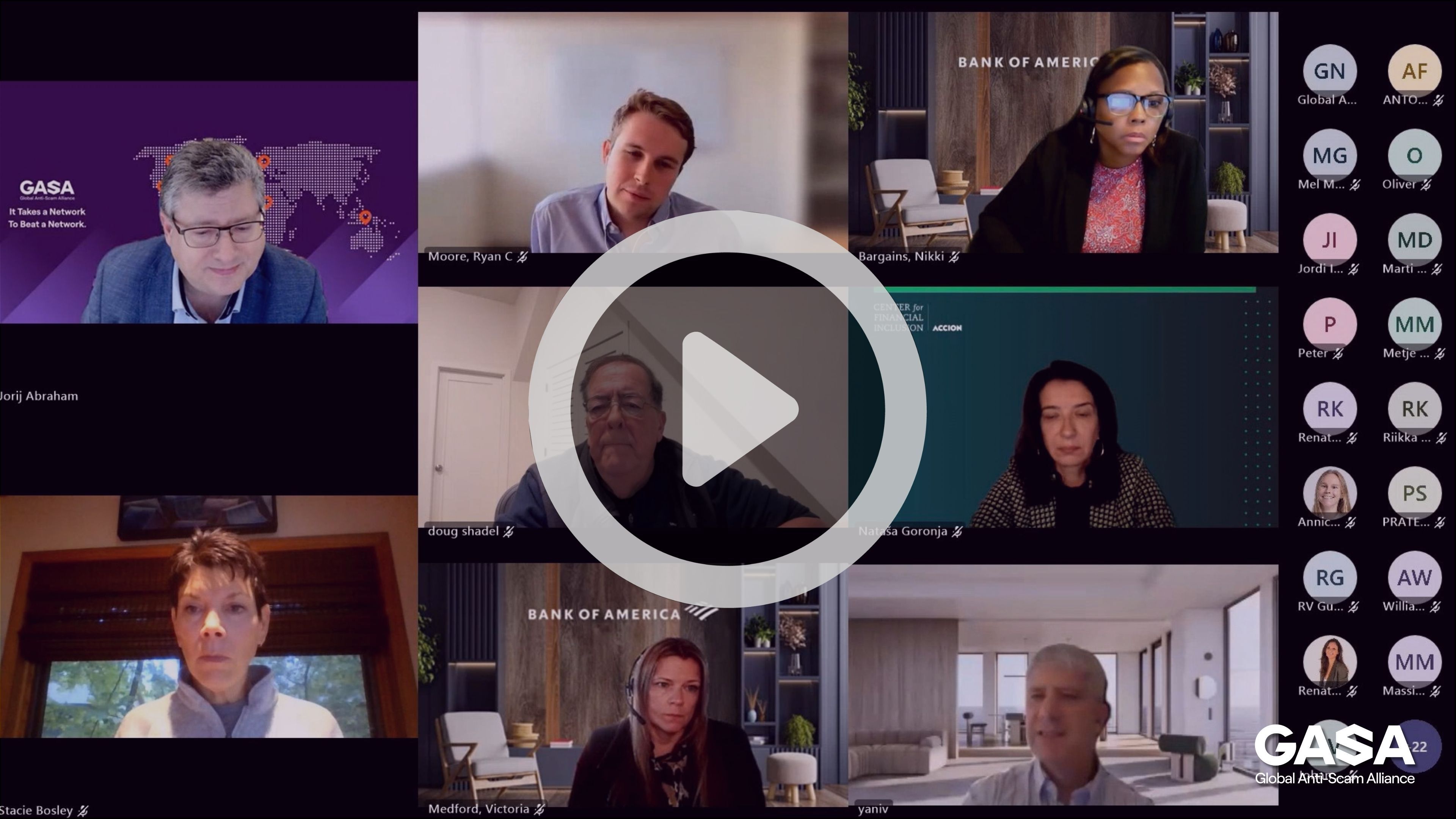
Research Working Group Meeting: Fraudulent Tickets and Robocall Scam Tactics
Research presented to GASA examines consumers’ ability to spot fraudulent tickets and tactics found across 4.49 million scam and spam robocalls.
-2.jpg)
Fighting Fraud Without Borders: Cross-Regional Collaboration in Latin America and Beyond
A roundtable at GASS America examined cross-regional collaboration in Latin America and beyond, focusing on fraud prevention, consumer protection and response.
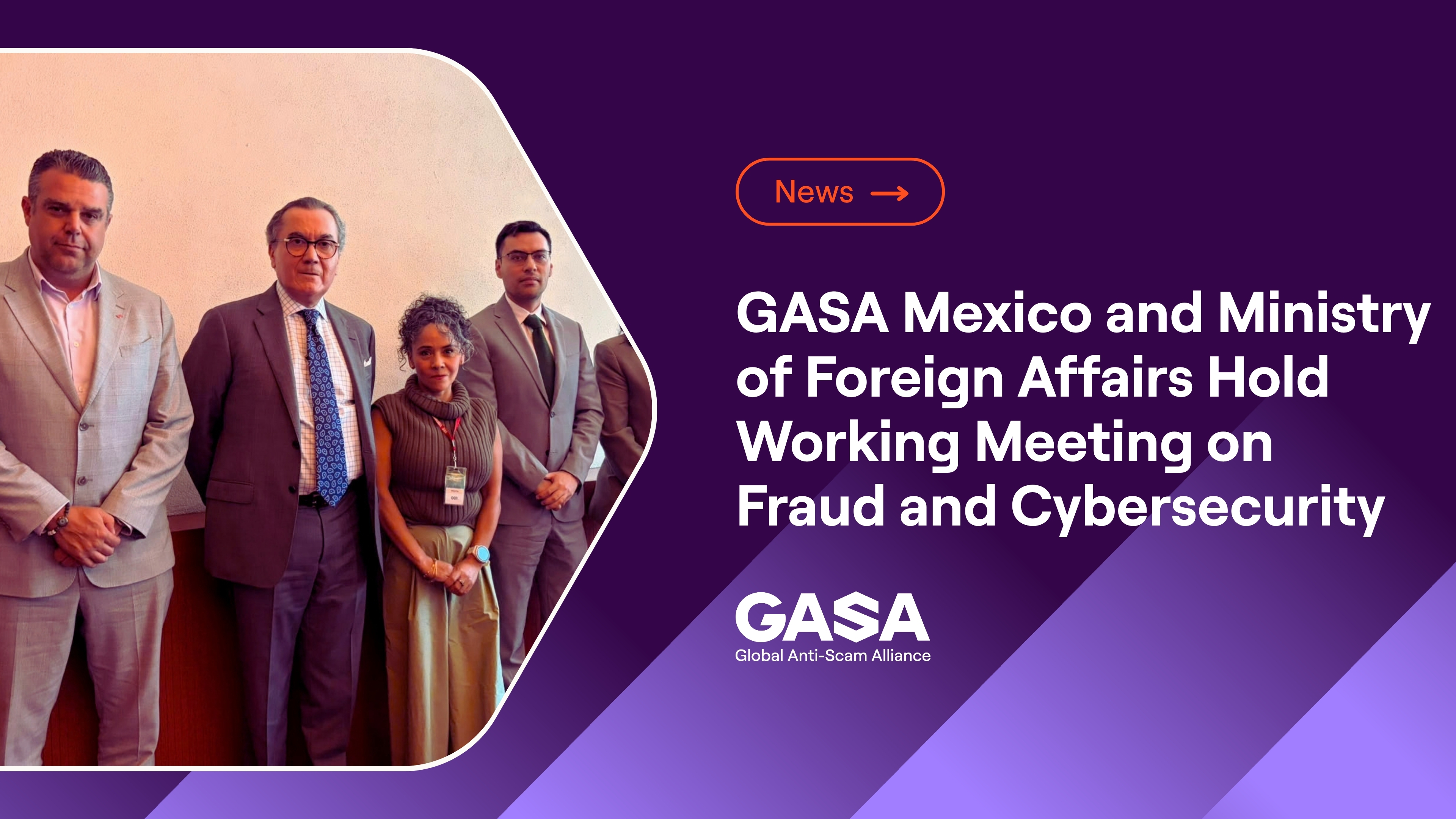
GASA Mexico and the Ministry of Foreign Affairs Hold Working Meeting Ahead of the Chapter’s Annual Forum, “From Coalition to Action”
GASA Mexico and the Ministry of Foreign Affairs convened Mastercard and Scotiabank to discuss fraud, cybersecurity, information sharing and emerging technologies.
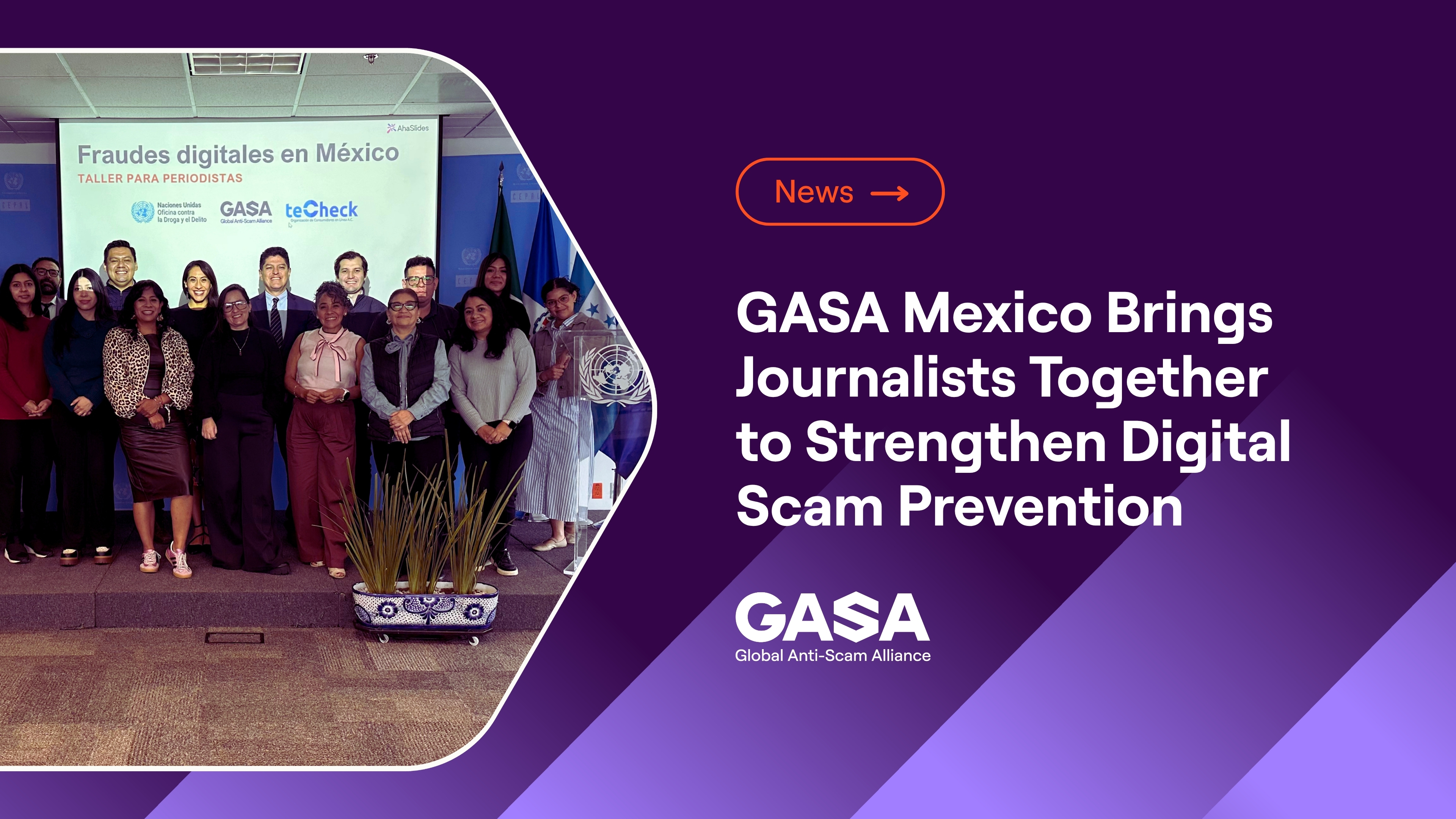
GASA Mexico Workshop Examines the Role of Journalism in Digital Scam Prevention
GASA Mexico brought together journalists and editors to discuss digital scams, victim-centred reporting and the role of media in scam prevention.

Brazil Anti-Scam Forum 2026: Key Takeaways on Strengthening Scam Prevention in Brazil
Key insights from the Brazil Anti-Scam Forum 2026 on scam trends, prevention, intelligence sharing and cross-sector collaboration.

GASA Consumer Education Working Group Develops 5-Step Response Plan for Scam Victims
GASA’s Consumer Education Working Group sets out a five-step response plan that organisations can use and share to support people affected by scams.